Why Your Bathroom Heater Needs Explosion-Proof Quartz
Let’s be honest: bathrooms are a nightmare for electronics. You’ve got steam everywhere, splashing water, and high-voltage heating elements all crammed into one small space. It’s a recipe for trouble. If you’re using infrared wall heaters to get that instant warmth on a cold morning, there’s one big worry: thermal shock.
The “Pop” Factor
Here is the thing about standard quartz tubes. They’re sensitive. If a tiny drop of cold water hits a tube that’s glowing at several hundred degrees, the glass panics. It contracts unevenly and—pop—the tube shatters. Nobody wants a shower that ends with exploding glass. That’s why we use explosion-proof quartz. These tubes are built to handle those wild temperature swings without cracking. And if one does eventually give out? It doesn’t shatter into dangerous shards. It just crumbles into small, dull pieces. It’s a much safer way to stay warm.
What’s Actually Inside
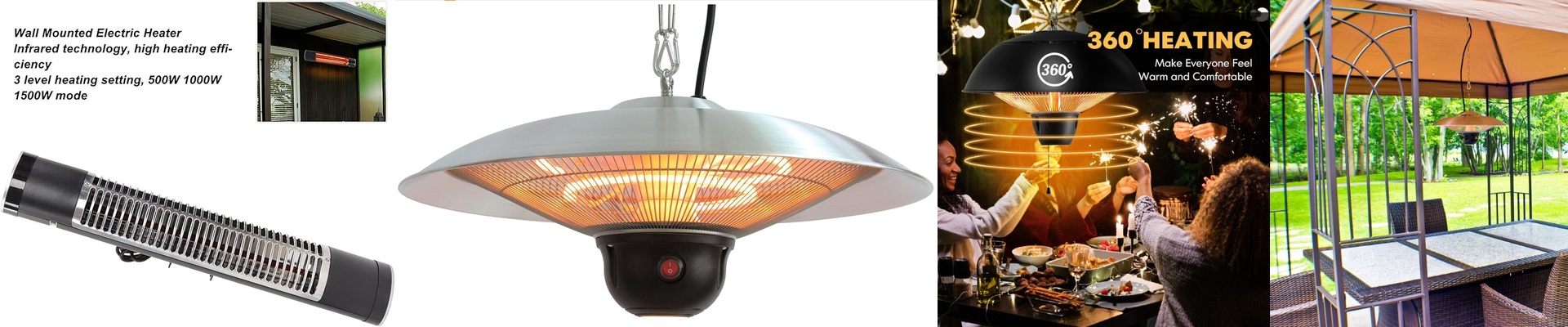
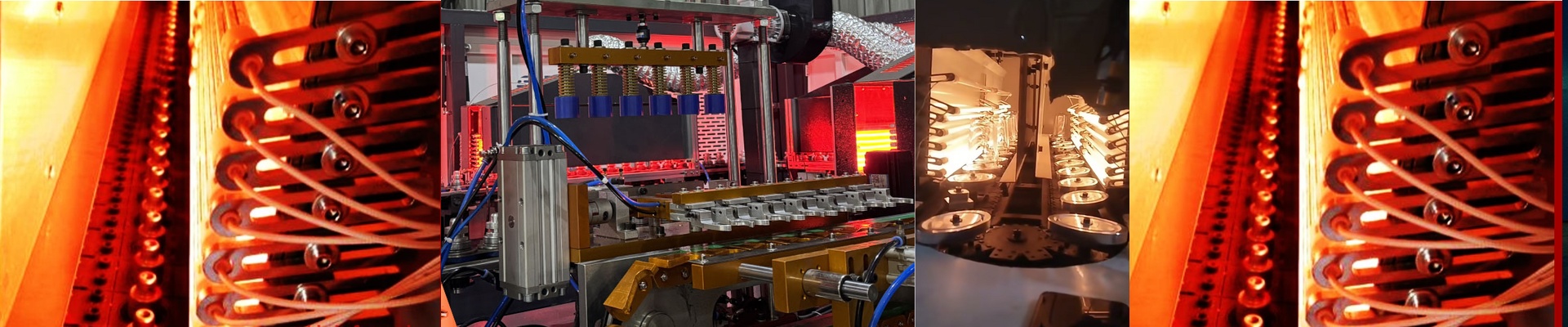
We stick with high-purity quartz because it doesn’t expand or shrink nearly as much as cheap glass. The moment you flip the switch, the filament hits its peak temperature almost instantly. You don’t have to wait around for the room to warm up; the heat hits you directly. It’s that cozy, sun-on-your-skin feeling, even in the dead of winter. We usually tuck these tubes behind a protective mesh or a tempered glass shield. It’s just an extra layer of “just in case.” One tip, though: don’t cram the housing too tight. These things need to breathe, or you’ll fry your internal wiring.
A Few Tips for Installation
If you’re swapping out an old heater, these usually drop right in. But keep in mind that explosion-proof quartz puts out a lot of concentrated heat. Don’t mount them directly onto flammable panels. You’ll want a proper thermal break between the heater and the wall so you aren’t risking a fire. Also, do yourself a favor and check your wattage against your circuit breaker. There’s nothing more annoying than the power cutting out right when you’re mid-shower because the heater tripped the breaker.