



Why most outdoor heaters are a waste of money (and how we fixed it)
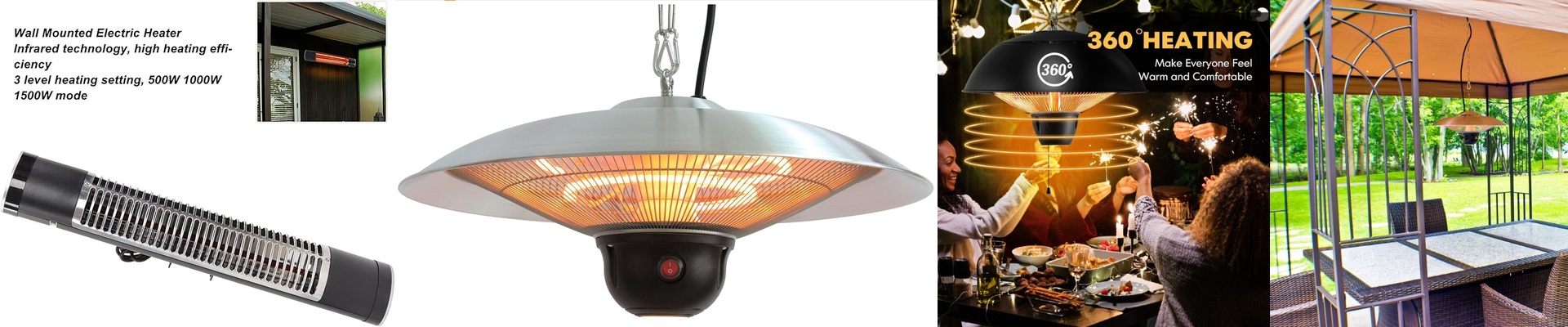
Ever tried using a heater in a drafty changing area or a windy garden? It’s frustrating. Most heaters try to warm up the air, but in the real world, the wind just blows that warmth away before it even hits you. You’re left standing there shivering, wondering why the machine is running but you’re still freezing. We do things differently. Instead of fighting the wind, we use shortwave infrared radiation. Think of it like the sun. You can feel the sun’s warmth on your skin even on a crisp winter day when the air is freezing. That’s because infrared waves don’t bother heating the air—they go straight for your skin and clothes. You feel the heat in seconds. No waiting, no shivering. Just instant warmth.
Built for the rain and the grit
If you’re putting a heater outdoors, you can’t just hope for the best. Moisture is a killer. It gets into the circuitry, causes shorts, and burns out the filaments. That’s why we went with an IP65 rating. In plain English? It’s dust-tight and can handle water jets from any direction. Whether it’s a humid locker room or a sudden downpour, the internals stay bone-dry. It’s the difference between a heater that lasts for years and one that dies after its first winter.
The “Shortwave” secret
We chose shortwave emitters because they’re aggressive. They pack a lot of energy and dive deep into the body. You don’t need fancy reflectors to “push” the heat toward the user; it just radiates. The moment you flip the switch, the heat flux is there. But there is a trick to it. Because the heat is so concentrated, where you hang the unit matters. If it’s too low, it’s overwhelming. Too high, and you lose that cozy, high-end feeling. It’s all about finding that sweet spot.
Getting it installed
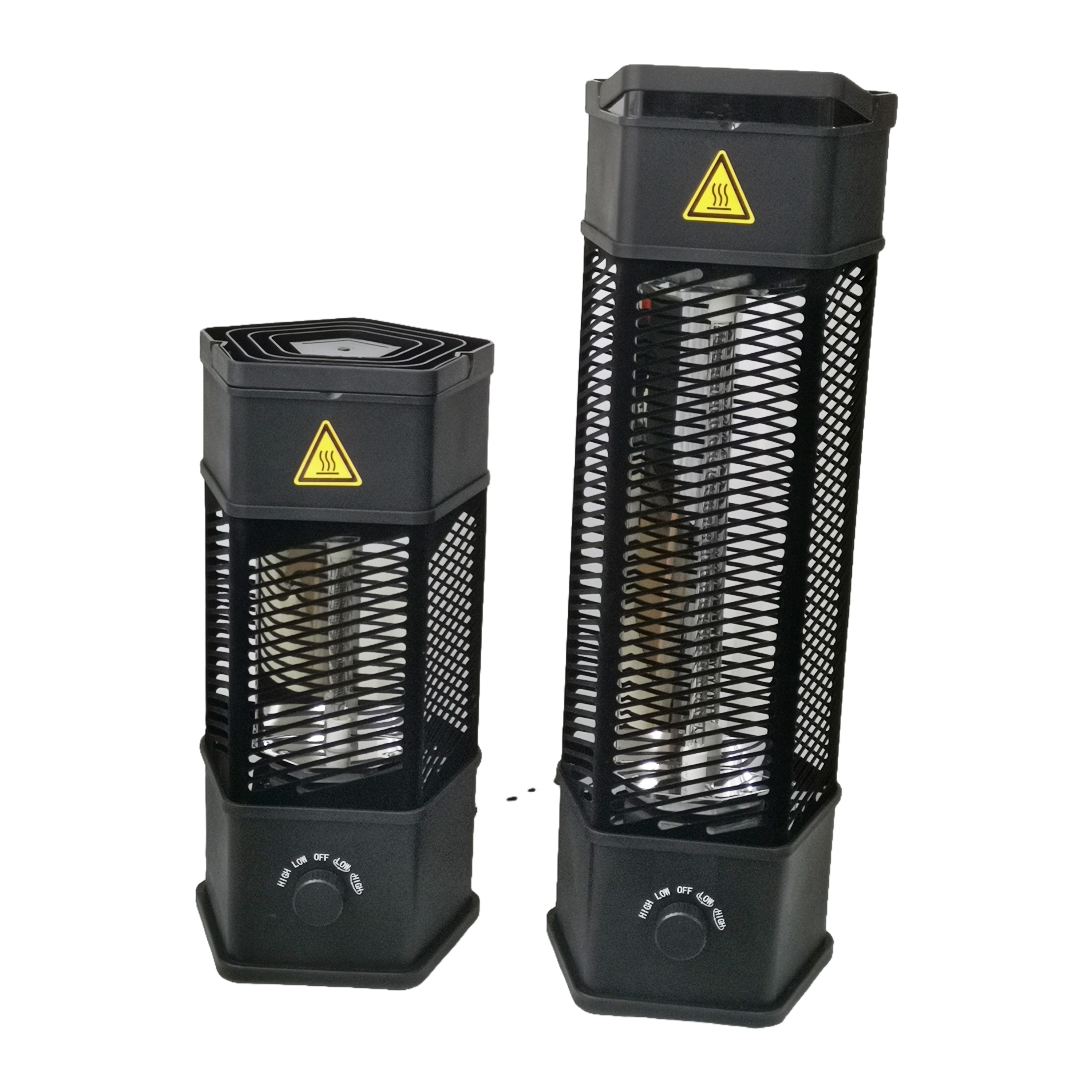
We kept the design lean. The footprint is small, so it slides into tight ceiling grids in changing rooms without blocking the airflow or getting in the way. Wiring is fast and straightforward. One tip from our side: since these live in tough environments, just give the seals a quick check every six months. A two-minute look ensures everything is still watertight and working exactly as it should.