


Making Smart IP65 Infrared Heaters Actually Work
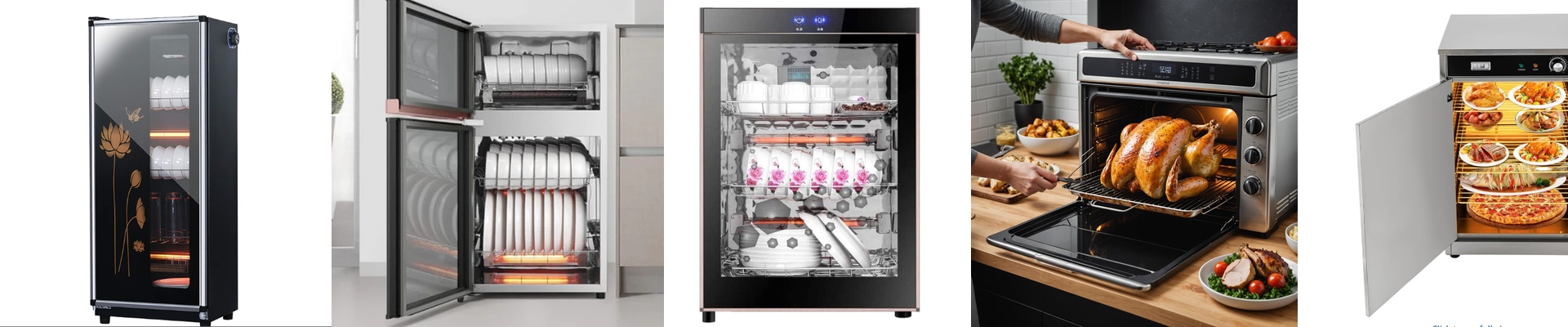
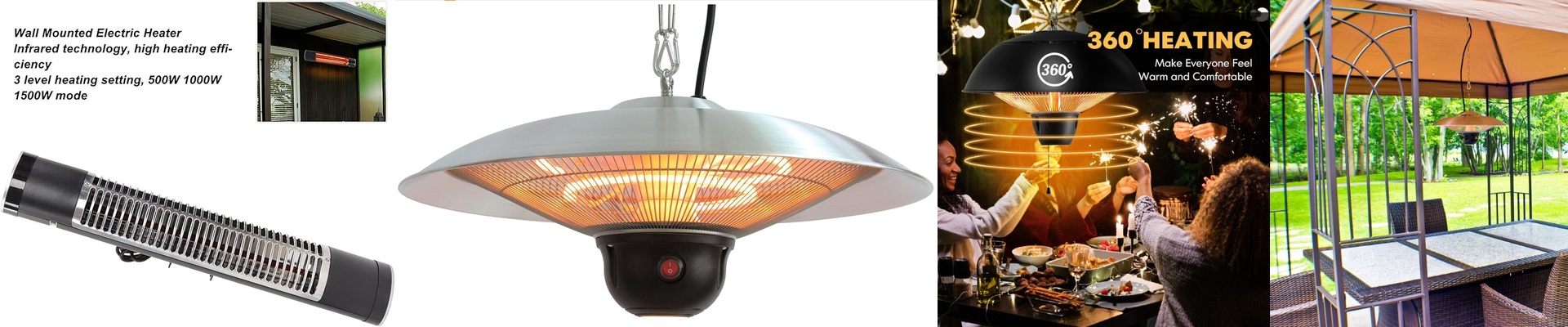
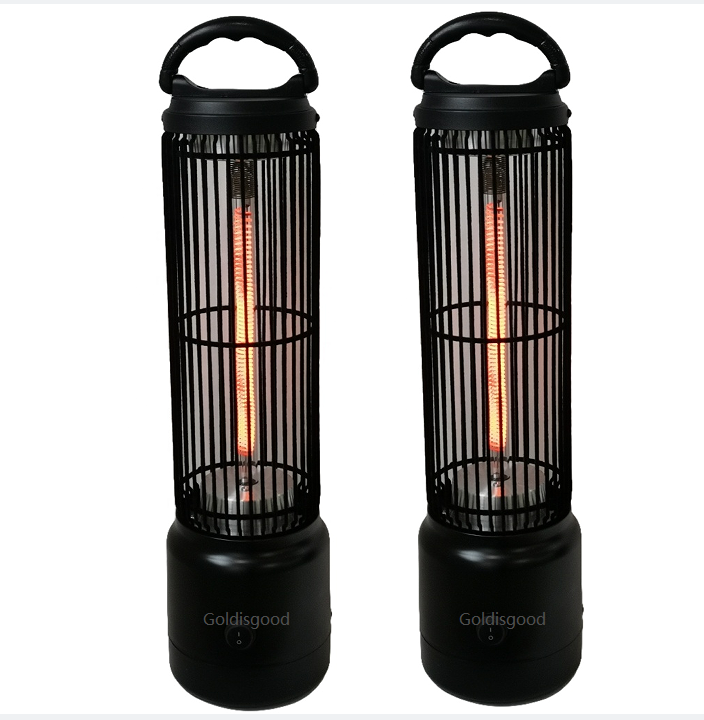
We build our electric infrared heaters to take a beating—whether that’s a rainy patio or a steamy bathroom—while giving you heat the second you need it. Most heaters just try to warm up the air, which takes forever. Ours work differently. They send out waves that hit you directly. It’s that “instant spring” feeling. You flip a switch, and boom—you’re warm.
The Guts: Waterproofing and Speed
To make these safe for the outdoors, we seal everything up to IP65 standards. In plain English? Dust stays out, and if you hit it with a water jet, it doesn’t care. Inside, we use quartz or halogen elements. We chose these because they don’t need time to “warm up.” They hit their peak temperature in seconds. When you tap a button on your phone or smart hub, a signal hits a heavy-duty relay. The circuit closes, the filament glows, and you feel the heat immediately. No waiting around in the cold.
Getting it “Smart”
Connecting these to your home system usually happens through Zigbee or Matter switches. But a simple On/Off switch is a bit boring. To really make it work, you need a feedback loop. We pair the heater with a temperature sensor (like a DHT22). That way, the system knows when the room is warm enough and can dial things back so you don’t accidentally turn your porch into a sauna.
The Not-So-Pretty Side (The Trade-offs)
Here’s the thing: these lamps pull a lot of power. If you try to cram too many heaters onto one cheap smart switch, you’re going to trip a breaker—or worse, melt your hardware. You’ve got to use the right wiring gauge and dedicated relays to handle the load. It’s not something you want to eyeball. Also, that IP65 seal that keeps water out also keeps heat in. If we didn’t use aluminum heat sinks to pull warmth away from the electronics, the smart modules would just overheat and fry themselves during a long winter stretch. It’s a balancing act, but it’s what keeps the thing running.