Introduction
We don’t just slap a logo on a heater and call it a day. These are custom-built electric heaters, engineered from the ground up to be real workhorses. They’re not just a pretty branded part. They’re compact thermal tools, packing serious heat into a small footprint. The whole point is to give you reliable, repeatable heat exactly where you need it, especially when space is tight and you can’t afford to fail. So if you need a heater that fits your machine like it was born there, and carries your brand with pride, we build it around your actual operating conditions. Not the other way around.
Let’s Get Into the Details
When we talk about voltage and wattage, we’re really talking about power and how it plays with your plant’s electrical system. A typical custom heater can run on 220V to 400V, with power anywhere from 1000W to 2500W. It all depends on how much heat you need, how concentrated it is, and how often the heater runs. The physical size is whatever your machine needs. Tube lengths usually run from 300mm to 1500mm. So it fits the space you already have, without forcing you to redesign the whole machine. But here’s the catch: packing more wattage into a short space means a lot of heat is concentrated. That means you have to manage the heat around the mounting area carefully.
The Stuff It’s Made Of
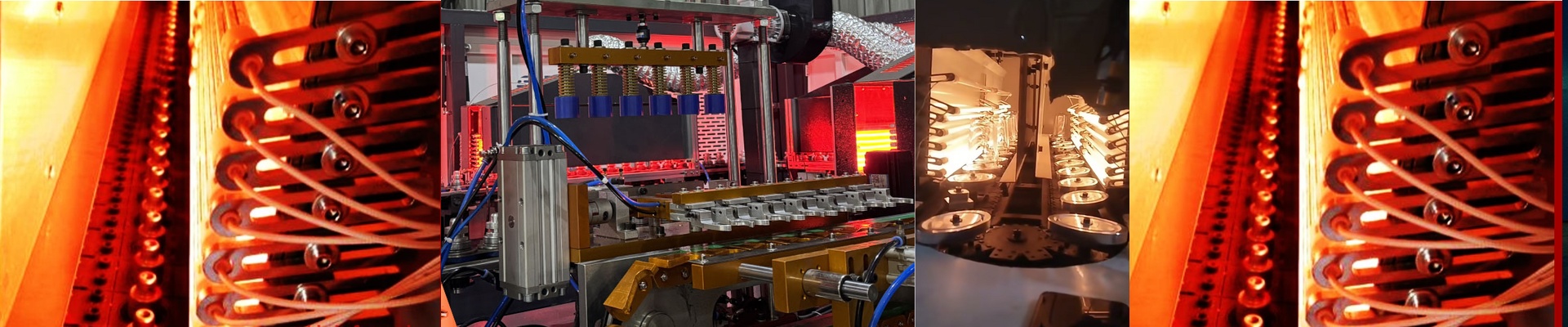
These halogen heaters are built to take a beating. The outer tube is quartz, which handles high heat and rapid heating and cooling cycles like a champ. Inside, the halogen gas keeps the heating element’s temperature steady. That means the output stays consistent over time, without drifting. A special coating on the surface helps transfer the heat better and also protects the unit from bumps and grime. For hooking it up, we use R7s and Sk15 connectors. They line up perfectly, make wiring a breeze, and cut down on headaches out in the field. It’s all about making the heater last longer and keeping maintenance simple.
Where It Shines
On the production floor, these custom heaters are the go-to for spot heating, helping with plastic processing, and drying parts. Because they’re dimensionally precise, output stable, and have solid connections, they’re a breeze to drop in as a replacement or build into new equipment. Just keep one thing in mind: that high heat density means you need to give it enough cooling and clearance. Otherwise, the parts around it will get hotter than they were designed to handle.