Why Modular Heaters Actually Make Sense
Let’s be honest: outdoor patios are brutal on equipment. Between the driving rain and the constant swing from freezing nights to hot days, your heaters are basically fighting a losing battle. Eventually, a heating tube is going to burn out. It happens. But when that day comes—maybe five years down the road—the last thing you want is to throw away a perfectly good metal frame just because one part quit. That’s why we built our waterproof infrared units to be modular.
Stop fighting with your equipment
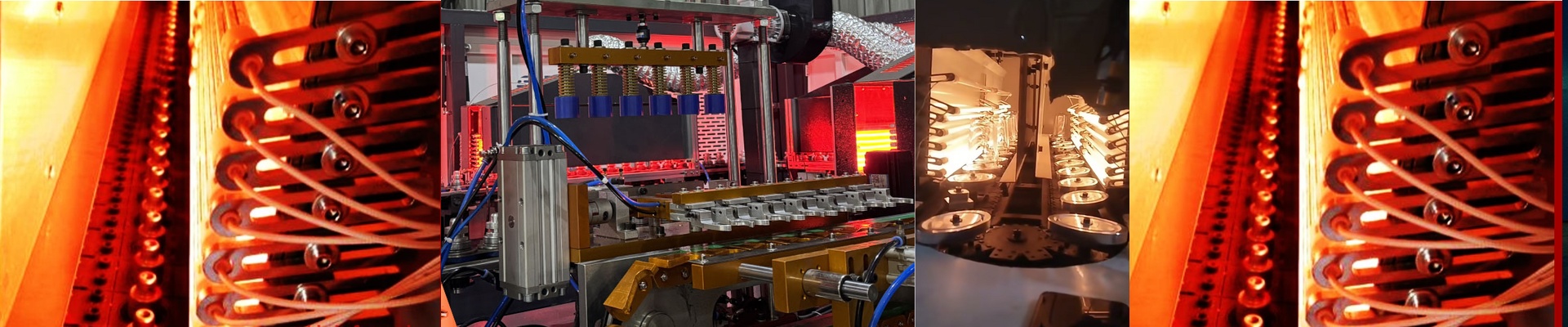
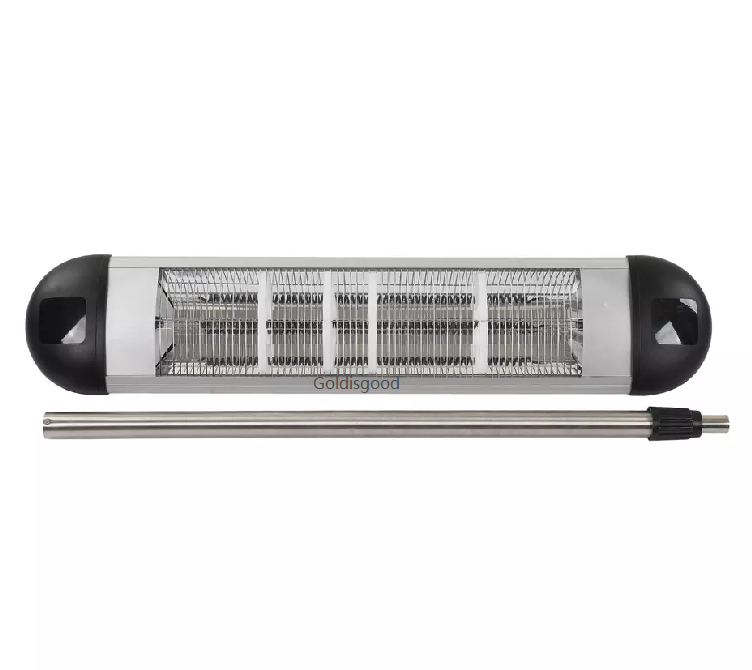
Most heaters on the market weld the heating element right into the frame. Replacing one is a total nightmare. You end up spending half your Saturday dismantling the whole thing. We did it differently. We put the infrared module and all the electrical bits into a removable cassette. Instead of a four-hour teardown, you just slide the module out, swap the tube, and slide it back in. It takes ten minutes.**Ten.**You’re back to warming up your guests before your coffee even gets cold.
Dealing with rain and heat
Here is the tricky part: keeping water out usually means trapping heat in, which is a recipe for disaster. We use sealed gaskets around the terminals to block the rain, but we leave enough room for the unit to breathe. Then there’s the glass. When those tubes heat up, they expand. If they’re clamped down too tight, the quartz just snaps. To fix that, we use floating mounts. The tubes have a bit of “wiggle room” to expand and contract. It keeps the glass from cracking during those first few heat cycles.
The reality of fixing things on the fly
If you’re running a busy bar, you aren’t fixing heaters in a clean workshop. You’re usually squeezed into a tight corner, probably while it’s drizzling, trying not to drop a screw into a planter. That’s why we use quick-connect terminals. No soldering wires in the rain. No frustration. Just plug and play. One quick heads-up, though: if you decide to upgrade to a higher-wattage module for more heat, just double-check your wiring. More power means more load on your breakers. Make sure your wire gauge can handle the extra current, or you’ll deal with voltage drops. It’s a small trade-off for a lot more warmth.