
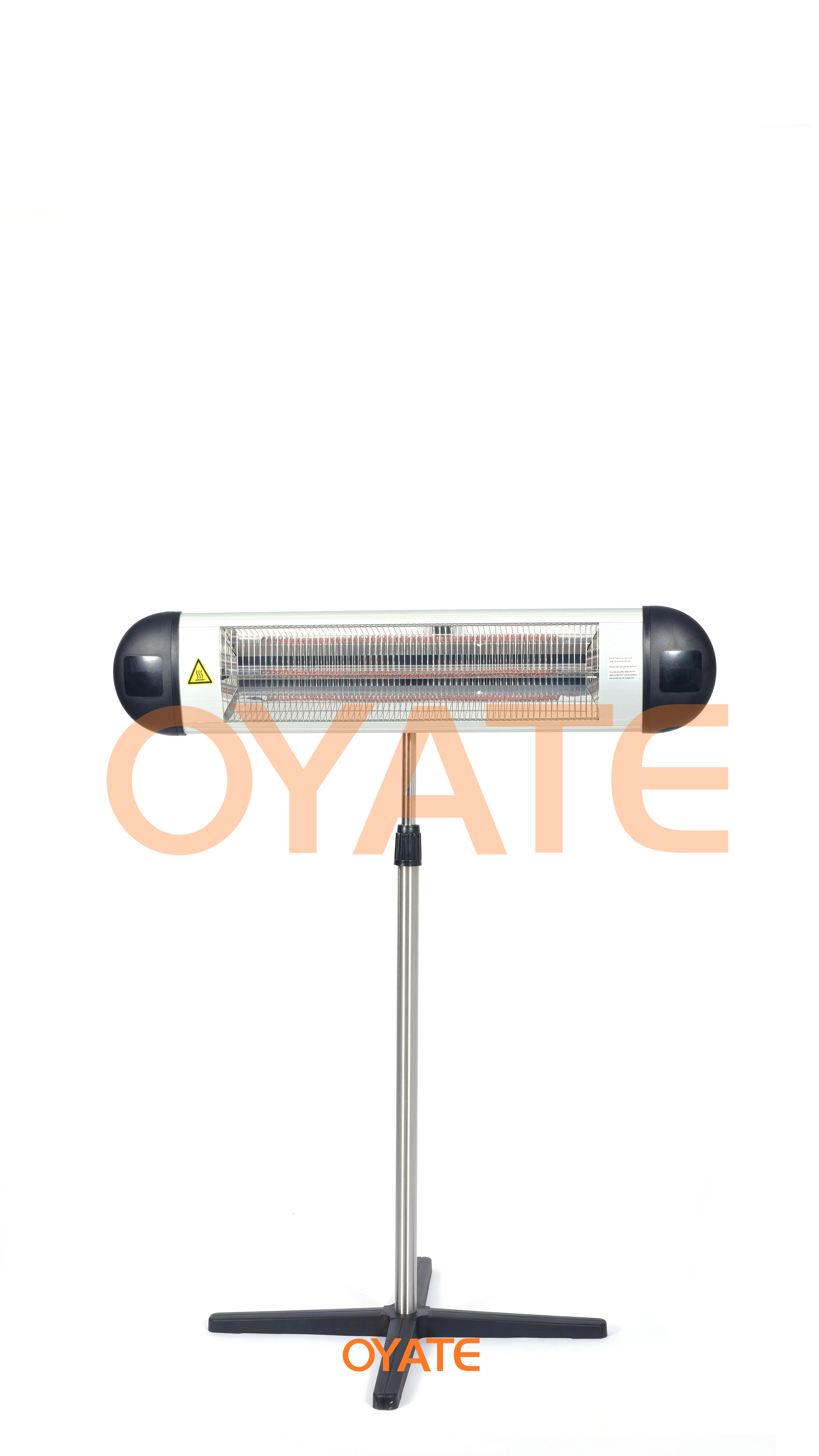
Stop Shivering in the Bathroom
Let’s be honest: there is nothing worse than stepping out of a shower or changing in a damp, chilly bathroom. It’s miserable. Usually, you’re stuck waiting for a heater to slowly warm up the air, but by the time the room feels okay, you’ve already frozen. That’s why we use shortwave infrared (IR) lamps. Instead of trying to heat up the entire room—which takes forever—these lamps beam heat directly onto you. It’s like stepping into a patch of sunlight on a winter day. You feel it the second you flip the switch.
How it actually works
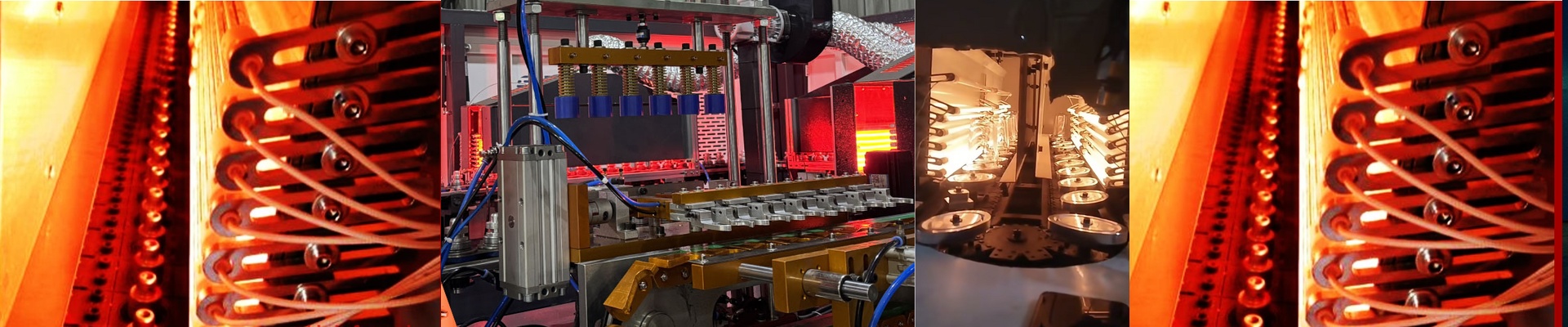
We use quartz tubes filled with halogen. Why? Because the halogen keeps the tungsten filament from burning out too quickly, which lets us crank up the heat. This creates “shortwave” IR. It’s faster and penetrates deeper than standard heat. You don’t have to wait for the air to circulate or for the walls to warm up. It just hits your skin, and you’re warm. Period.
The nitty-gritty details
To get that punch of heat in a small space, we go for high wattage. We use R7s connectors because they’re sturdy. They don’t rattle around, and when a bulb eventually dies, you can just pop a new one in without a headache. The glass—the quartz envelope—is the real hero here. It has to handle a wild temperature swing, jumping from room temperature to 1000°C in a blink. We also add a special coating to the glass so you aren’t blinded by a harsh glare while you’re trying to get dressed. But a word of warning: these things gethot. If you use a cheap plastic casing or mess up the reflector alignment, you’re going to warp your fixture. Also, make sure your wiring can handle the current. If it can’t, your lights will flicker, and that’s just annoying.
Getting it right during install
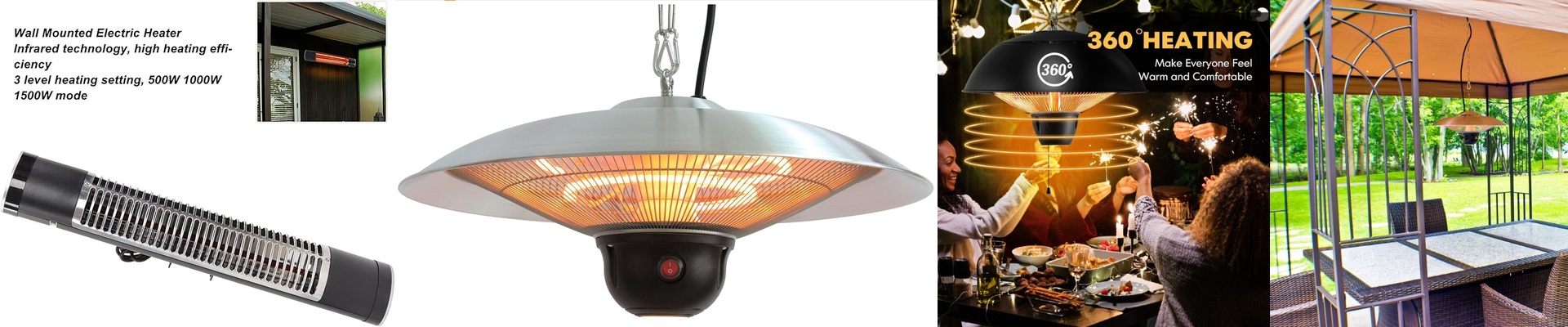
You can put these on the wall or the ceiling, but since the heat is directional, placement is everything. If you’re putting one in a changing area, try a 45-degree tilt. That way, the warmth hits your shoulders and torso exactly where you need it most. It makes a world of difference.