


Keeping It Safe in the Damp: How We Built an Electric Heater That Won’t Quit
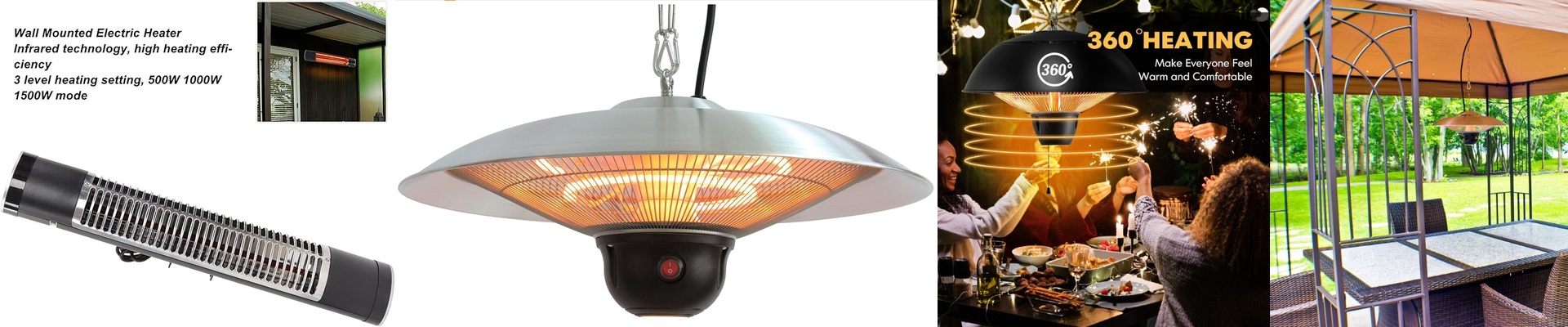
Ever been in a garage or bathroom where the air just hangs heavy with moisture? You know the feeling—everything feels a bit damp, a bit risky, especially when you’re dealing with electricity. That’s exactly the kind of place we designed this wall-mounted infrared heater for. Not for cozy vibes. This is about one thing: keeping you safe. Pure, rock-solid electrical isolation. Reliability when the air is wet and the conditions are tough.
Power that makes sense, mounted where it matters
We went with a 220V–240V platform. Why? Because it’s the standard for industrial garages, so you don’t need to run special high-voltage wiring. And the wall mount? That wasn’t just for looks. It puts the heater up high, away from puddles on the floor and out of the path of cars and foot traffic. You get focused heat where you need it, and the unit stays out of the mess. There’s a neat physics bonus, too: higher voltage means lower current for the same wattage. Less heat buildup in the wiring, fewer losses. It just runs cooler and cleaner.
The heart of the heater: built to take the shock
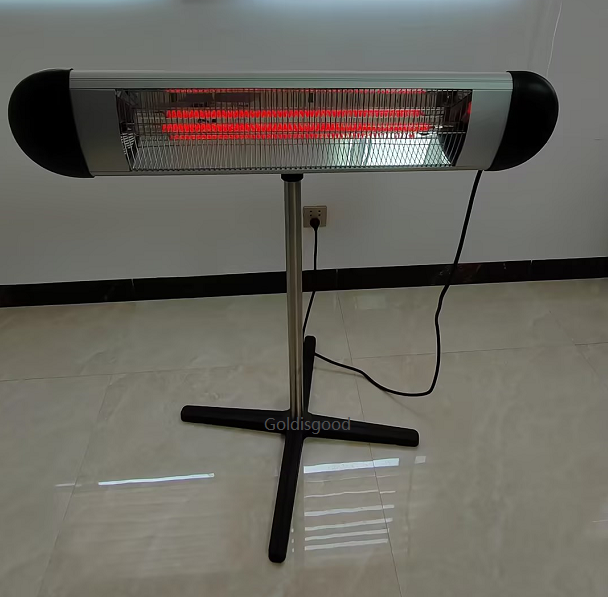
Inside, you’ve got a quartz tube holding the infrared element. Quartz is tough—it shrugs off sudden temperature swings and keeps its shape when things heat up fast. We fill the tube with halogen gas and add a reflective coating that pushes the heat forward, right where you want it. The back stays cool. Every electrical connection is sealed tight with moisture-resistant gaskets and insulating ceramics. It’s a multi-layer barrier that stops leakage current cold, so the outside housing never becomes a risk. The result? Total electrical isolation, even when the air is soaking.
Real-world heating that doesn’t fight the damp
Conventional heaters in a wet bathroom or garage? They’re asking for trouble—short circuits, corrosion, and a short life. Our infrared heater sidesteps all that. It warms objects and people directly, not the air. That means you’re not heating up the moisture-laden air, which cuts down on condensation on the outside and inside. So you can install it in places where most electric appliances would just give up. Yes, the heat is directional—you’ll want to aim it where you need it. But for spot heating in a damp zone, that’s the trade-off. And honestly, it’s a trade worth making. You get a heater that stays reliable, year after year, without shorting out when things get wet.