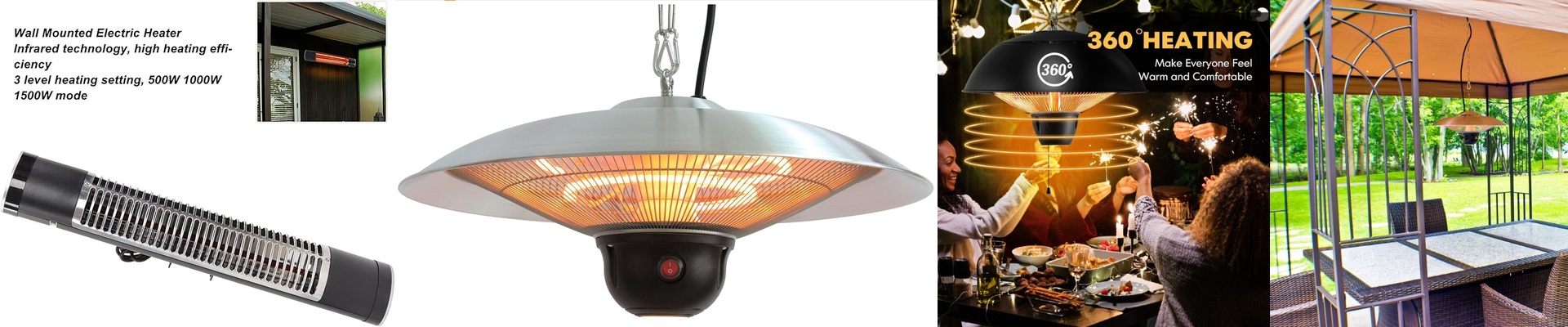



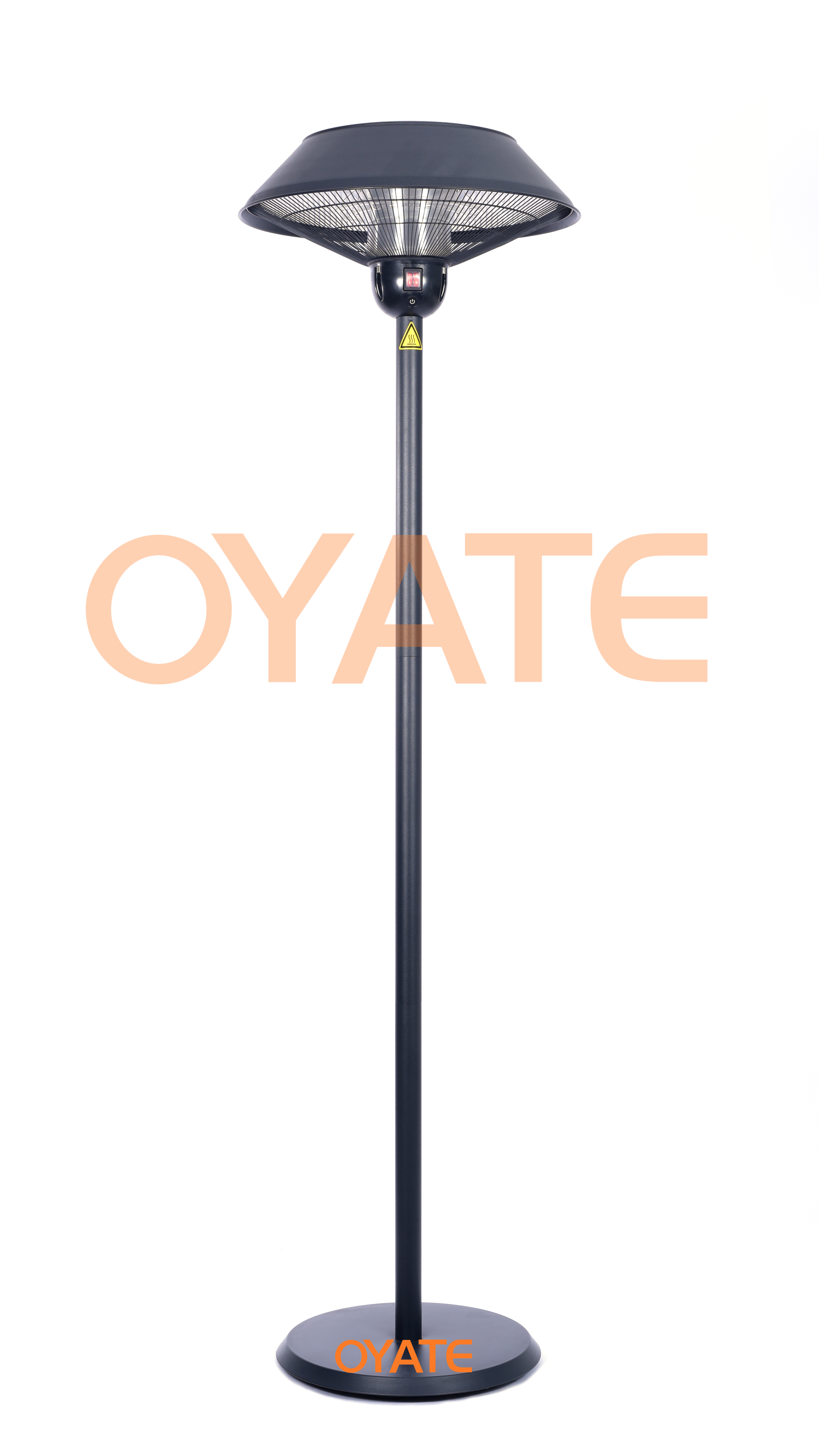
The second you switch on an infrared patio heater, the bite of the cold backs off. You get warmth almost immediately—radiant, not blustery—like standing in a patch of sun. No lag, no drafts. Just heat that hits where you actually are.
What’s actually happening under the hood
Infrared patio heaters run on radiant heat. The element gets hot and throws off infrared energy that travels in a straight line, warming people and surfaces directly. Most units use either a carbon fiber element or a quartz tube—both heat up fast and hold output steady. An electric model typically runs on standard household voltage, so it’ll plug into an outdoor outlet without special wiring. Comfort here isn’t just about what the thermometer reads. Your skin and clothes absorb the infrared warmth, so you feel cozy even when the surrounding air is still cool.
Why this approach makes sense outdoors
On a patio, deck, or around an outdoor seating area, comfort has to show up fast. Traditional heaters push warm air that rises and scatters. Infrared keeps the warmth focused where you’re sitting, so dinner, conversation, or stargazing doesn’t turn into a waiting game between heat cycles. Because the heat is directional, you can aim the unit to cover the right zone—keeping guests comfortable without turning the whole yard into a hotbox. In practice, that means fewer interruptions, fewer extra layers, and more evenings that actually get used.
The practical details that matter
Infrared warmth works best with a clear line of sight. Think of it like a spotlight for heat. Obstructions and strong wind will cut into its reach, and performance falls off if the heater is mounted too high or aimed poorly. Most outdoor electric heaters include safety features like tip-over protection and overheat shutoff, and many carry an IP rating for weather resistance. Still, they perform best under a covered area where moisture and wind are kept in check. For the cleanest setup, point the heater toward the seating area and follow the spacing guidance in the manual.