
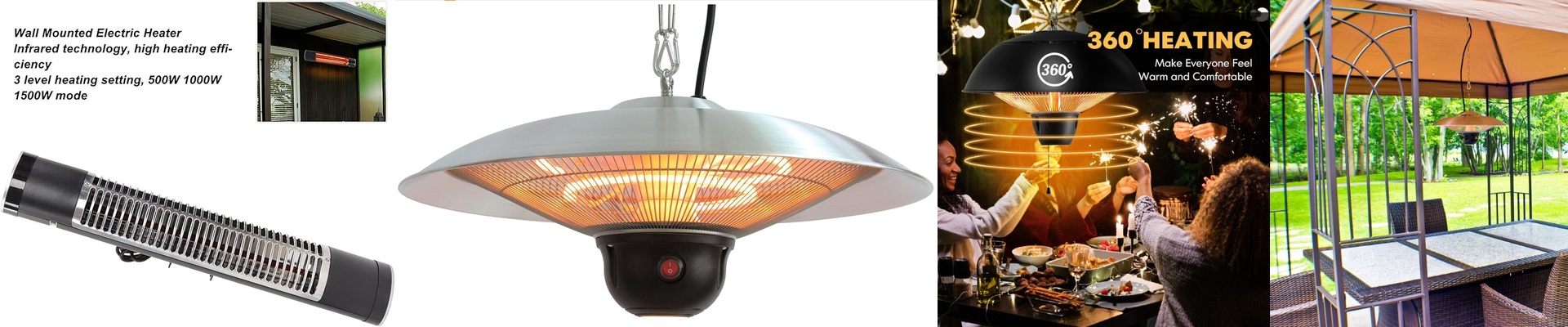


On the road, the cold doesn’t wait around for the generator to catch up or the sun to come up. In a tight RV, a heater that pulls too much current or warms the wrong spot turns a quiet night into a staring match with the battery monitor. We built our travel electric heater around a simpler idea: focused warmth that’s efficient, and easy to live with day after day.
What matters under the hood
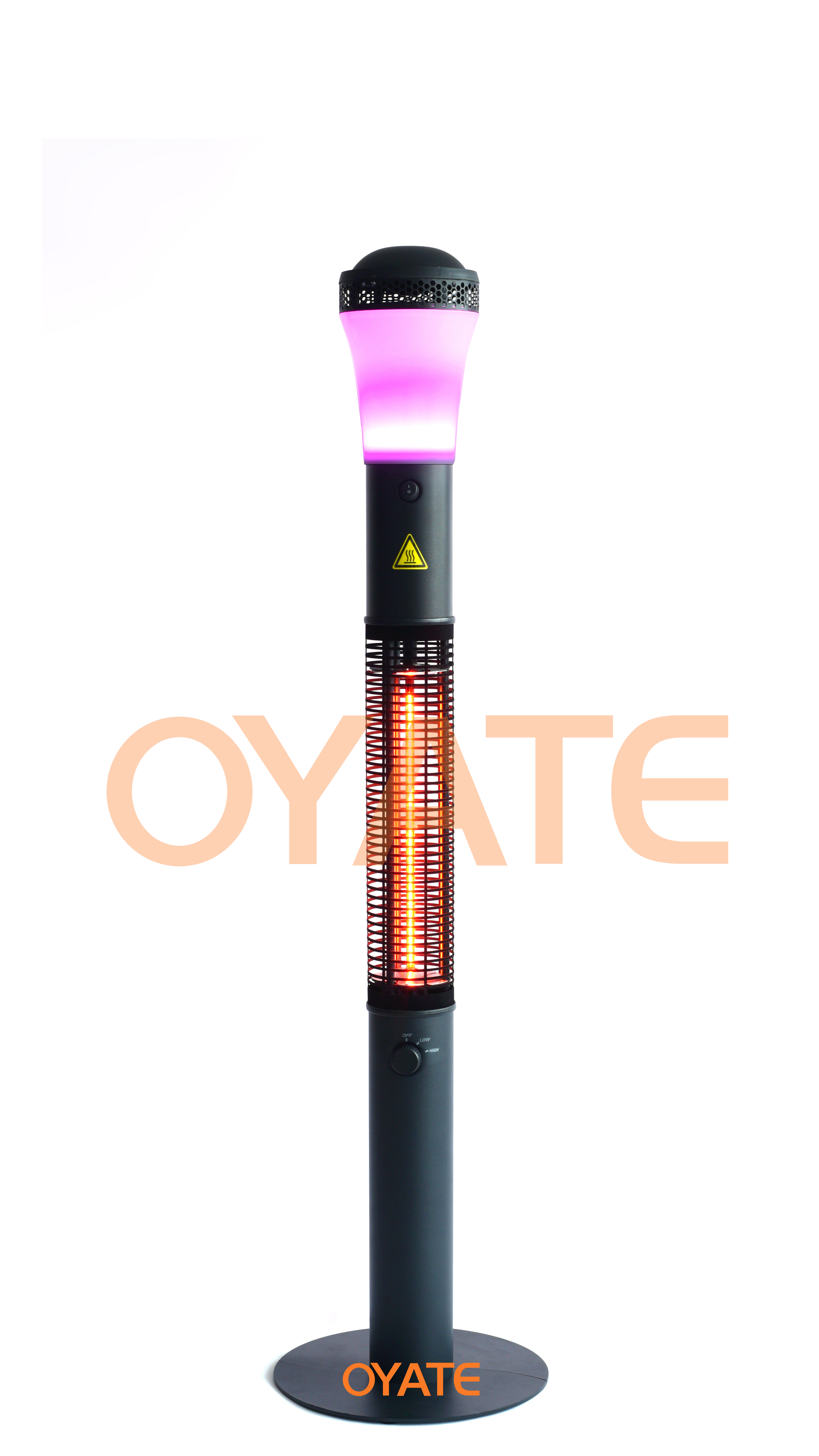
We use infrared radiant heat, delivered by a quartz tube element. It warms people and surfaces directly, instead of pushing air around. The payoff is comfort that feels immediate—no waiting for a fan to spin up. In practice, you spend less energy heating empty air and more energy where you actually need it. We keep the draw low so it runs on standard RV outlets without tripping breakers. The unit is compact and light, with a small footprint that tucks under a bench or sits close to a seat. A built-in thermostat helps hold a steady feel, and tip-over protection shuts the heater off if it gets knocked over.
Why this approach fits RV life
RV travel is about off-grid freedom, and freedom depends on predictable power use. Because infrared warmth targets the objects and people inside the cabin, you can stay cozy without running a high-wattage forced-air heater that screams at the inverter and drains the house bank. The warmth comes on fast, which matters when you step back in after a windy hike or a long evening outside. It’s also about comfort that actually helps you rest. Radiant heat gives you gentle, even warmth on the skin, so hands and feet start to feel normal again. People often notice fewer cold-induced aches, better sleep, and a cabin that feels settled instead of drafty.
The details that make it work
Infrared is directional, so point the unit where it can shine on the main seating or sleeping area. It shines in enclosed spaces, but it won’t heat an open campsite. For best results, pair it with solid window and door seals to keep the warmth you’ve earned inside. **Keep the heater away from soft fabrics, and never cover the quartz tube.**The surface runs hot—that’s normal for this kind of radiant technology. Put it where it makes sense, and you get dependable comfort without chasing the thermostat all night.