

Winter hits, and commercial heating starts quietly bleeding the budget—and working against sustainability targets. Forced-air systems move warm air around, but a lot of that energy gets lost through ducts, high ceilings, and drafty entries. You end up with higher energy bills and a carbon footprint that makes ESG goals harder to meet.
What actually matters under the hood
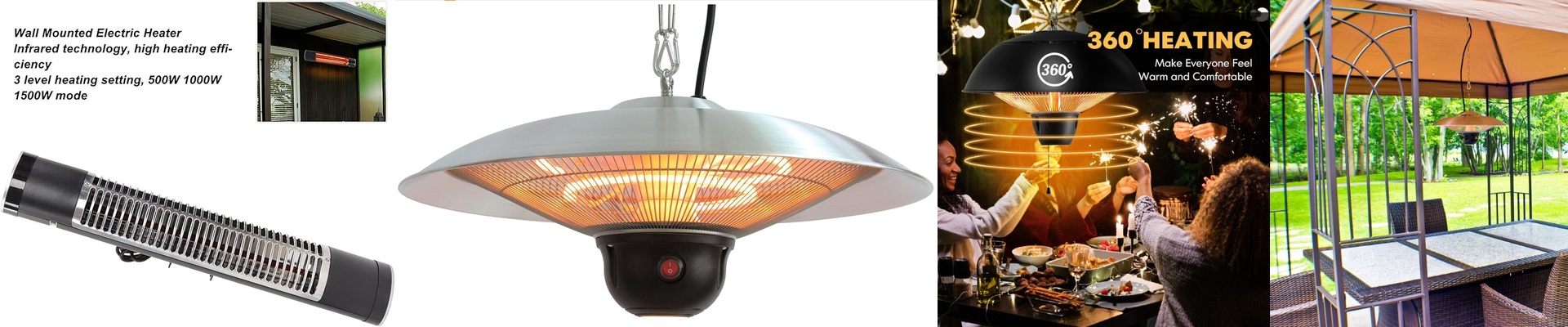
We build these living room heaters around medium-wave infrared technology, paired with a carbon-fiber emitter that throws radiant heat straight onto people and surfaces. Infrared warmth travels in a straight line and warms objects first, instead of heating the air. In comparable spaces, that approach typically cuts energy use by 30–40% compared with convection-based electric heating. A 1,500 W unit with a 240 V plug will work off standard commercial outlets, and the built-in thermostat keeps comfort steady without constant cycling. For safety, every unit includes tip-over protection and an IP rating that’s suitable for covered indoor areas.
Why this shift matters for commercial real estate
In lobbies, conference rooms, and common areas, people feel comfortable faster—and the building draws less power while doing it. Lower energy use feeds straight into sustainability reporting and can help strengthen ESG performance. Because the heaters focus on occupied zones, you stop overheating huge volumes of air, which eases demand on the overall HVAC plant. Over time, that efficiency shows up as lower operating costs, fewer service calls, and a property profile that tends to attract solid tenants.
The details that make it work
Infrared heating performs best when line-of-sight is clear, so placement is half the job. Map coverage across seating areas and circulation paths, and keep units away from direct water unless the IP rating is truly up to it. Most installations are plug-and-play. For larger rollouts, I recommend a quick site survey to confirm circuit capacity and to line up thermostat integration properly. The payoff is dependable comfort that stays in line with both budget and environmental targets.