Steam and condensation in a bathroom aren’t just a cosmetic issue—they’re a real electrical hazard. Bulb-style heaters can dump heat fast, sure, but the exposed elements and weak waterproofing leave you wide open to moisture getting in, early failure, and spotty comfort. That’s why high-IP rated infrared electric heaters are becoming the go-to choice when people upgrade their bathrooms.
The technical side that actually matters
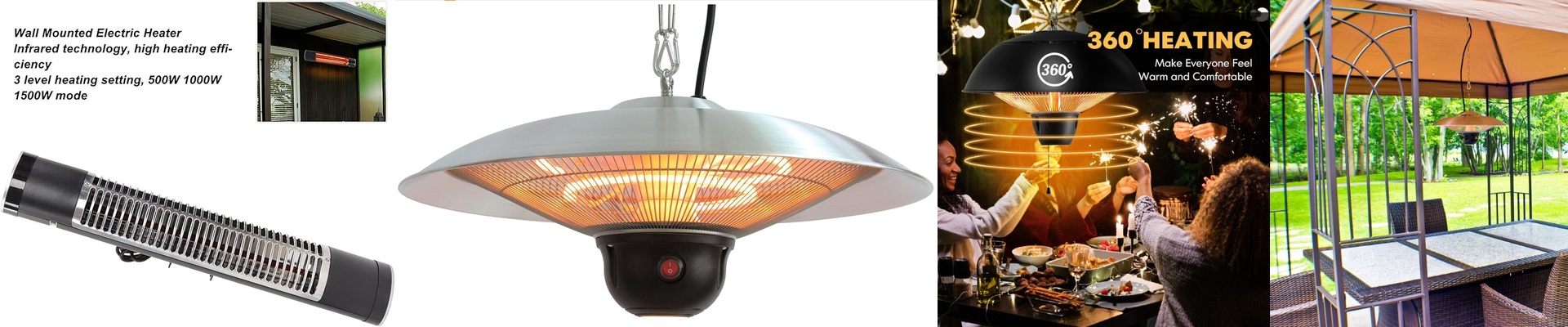
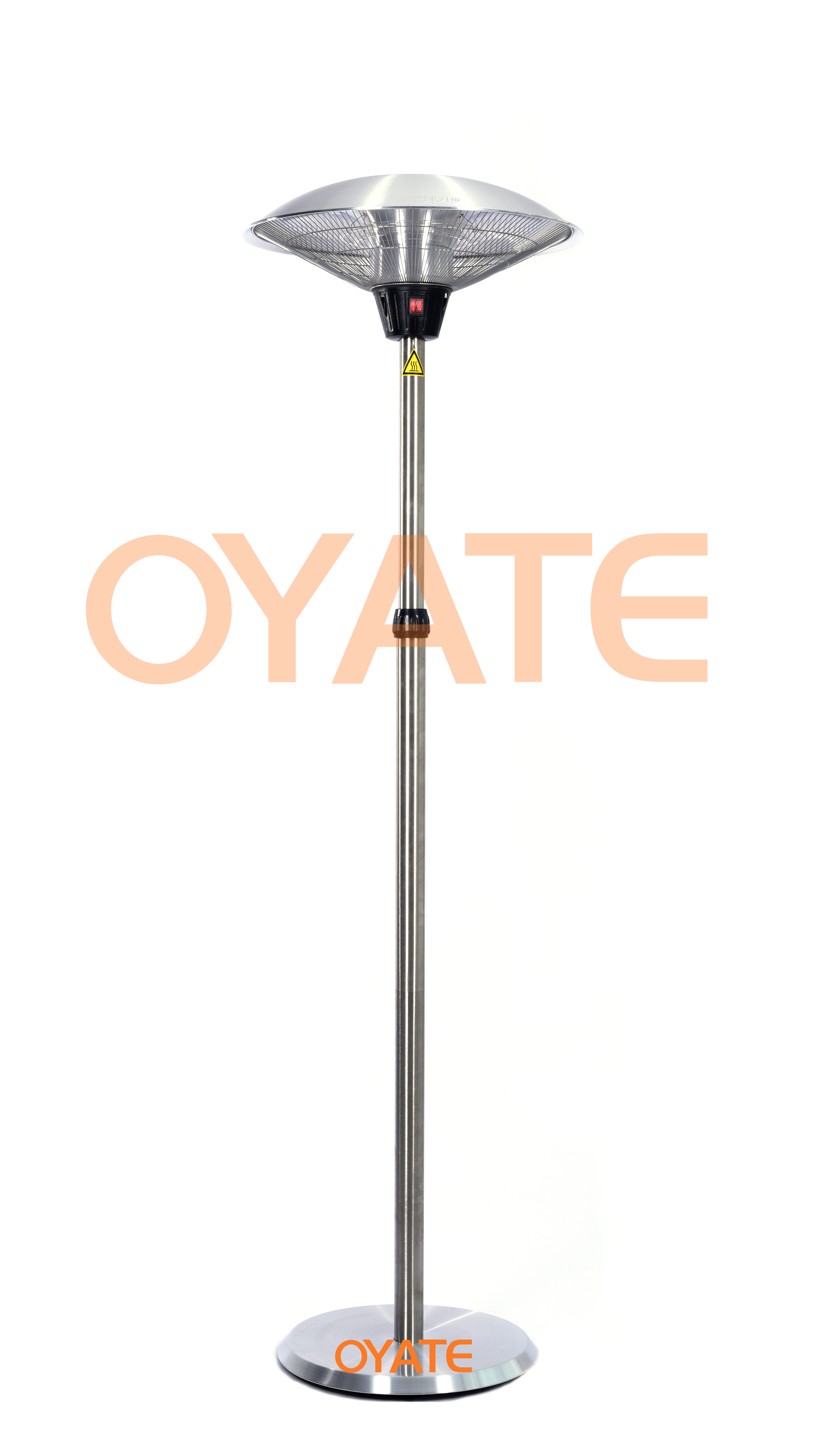
Heaters built for wet areas use sealed infrared elements—usually quartz or carbon fiber—mounted behind a protective front. They deliver radiant heat instead of blowing air around. The number you need to look at is the IP rating. IP24 is the baseline for splash resistance; step up to IP55 or higher, and you’re covered against jets of water. In the real world, that means the electronics stay dry, even when the room is full of steam or you’ve just hosed down the shower. These units typically run on standard 220–240V, pull 1.5–2.5 kW, and warm surfaces and people directly. The comfort hits fast because it’s radiant, not circulated.
Why this makes sense in a bathroom
A bathroom reno is about steady comfort, not a flash of heat that disappears the second you step out of the shower. Infrared warmth hits the walls, the floors, and your skin, so the post-shower chill doesn’t hit as hard. And because the core components are sealed, you get a longer service life. Fewer replacements, fewer service calls, and less downtime in a busy household. From a design standpoint, a clean recessed or surface-mounted unit sits neatly with upgraded finishes, keeping the look sharp while the performance stays consistent.
What you need to know on the install side
You’ll need a dedicated, grounded circuit, and in many places, GFCI protection is required for added safety. Clearances matter—keep the heater out of direct water streams and away from anything flammable, and stick to the manufacturer’s spacing guidance. One thing to keep in mind: infrared heat is directional. It warms what it “sees.” In larger bathrooms, pairing a main heater with an auxiliary unit can take care of cooler corners.