Why Your Bathroom Heater Actually Matters
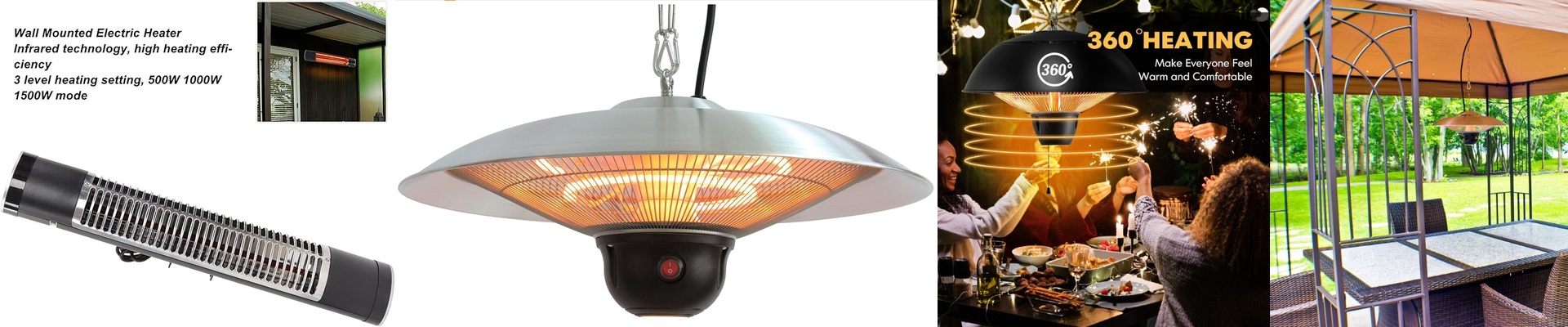
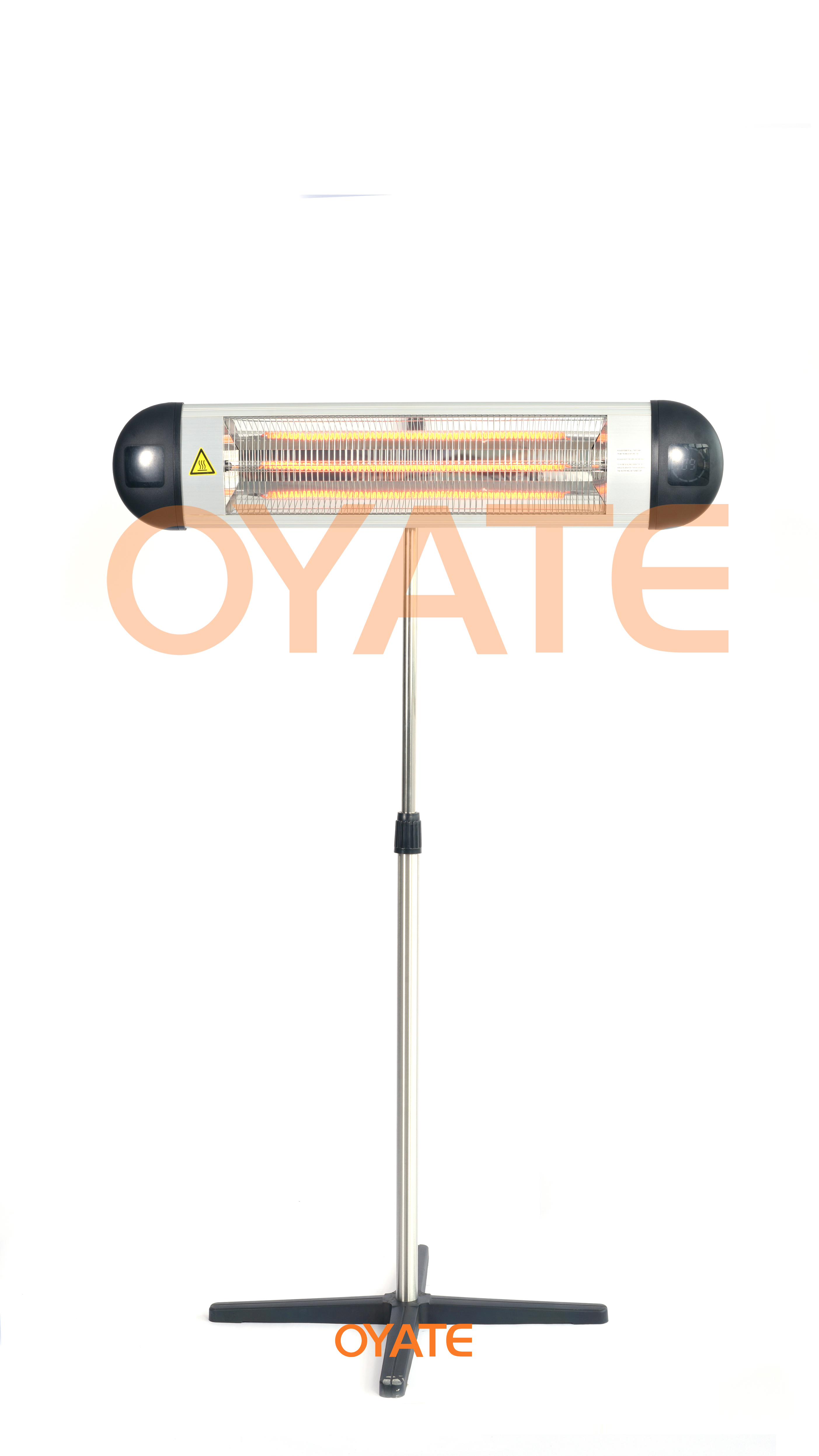
Ever step out of a steaming hot shower only to be hit by a wall of freezing air? It’s the worst. Most standard lamp warmers just can’t handle the bathroom. They aren’t built for the constant humidity or the accidental spray, and they usually give up the ghost way too soon. That’s why we’ve been moving toward high-grade waterproof infrared heaters. The magic here is that they don’t bother trying to heat all the air in the room. Instead, they use short-wave radiation to warm you up directly. You don’t have to wait twenty minutes for the room to feel cozy—you feel the heat the second you step out.
Dealing with the Steam
Here is the real problem: steam gets everywhere. Traditional heaters have tiny gaps that let moisture seep inside, which leads to short circuits or burnt-out elements. It’s a mess. We fix this by using sealed gaskets and special moisture-resistant coatings to keep the water away from the electrical guts. If you’re shopping for one, just look for anIPX4 ratingor higher. It basically means the unit can take a few splashes without tripping your breaker and ruining your morning.
Heat You Can Actually Feel
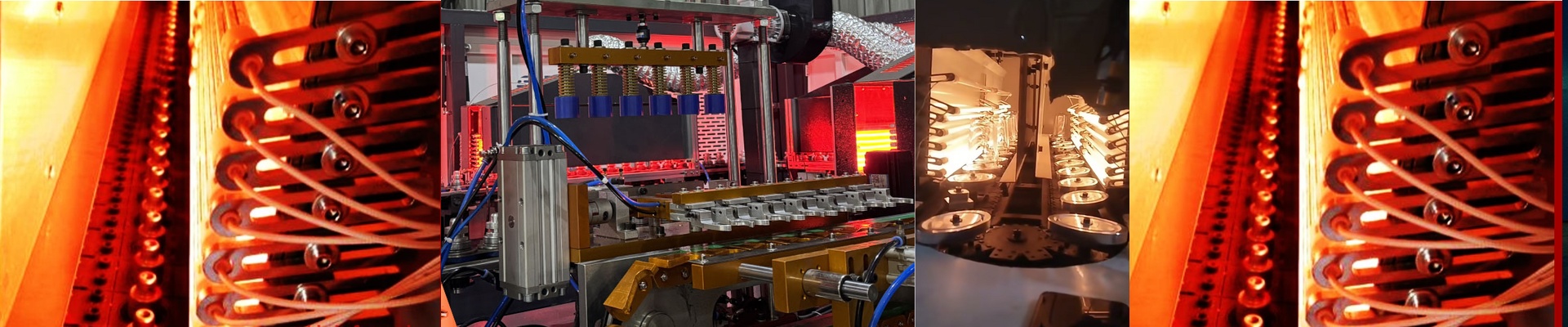
Think about a normal heater. It warms the air, the air rises to the ceiling, and your feet stay ice-cold. Infrared is different. It sends out waves that travel through the air without warming it, only turning into heat when they hit something solid—like your skin or the bathroom tiles. It feels more like standing in the sun. But there’s a catch. If you’re standing behind a wall or out of the line of sight, you won’t feel a thing. You’ve got to be smart about where you mount these so you don’t end up with “cold spots” in your bathroom.
Getting it Installed
The good news? These are usually drop-in replacements for your old fixtures, so you don’t have to tear up your walls. Just a heads-up: they pull more power than a basic light bulb. Double-check that your wiring can handle the wattage. And do yourself a favor—use heat-resistant cabling. It stops the insulation from melting over time, which is something you definitely don’t want to deal with later.