


Making Infrared Heaters Actually “Smart”
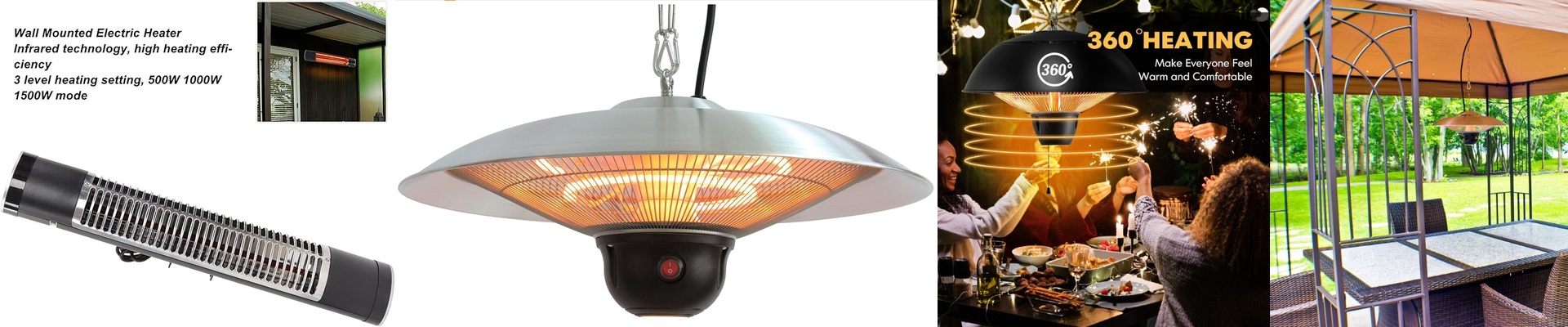
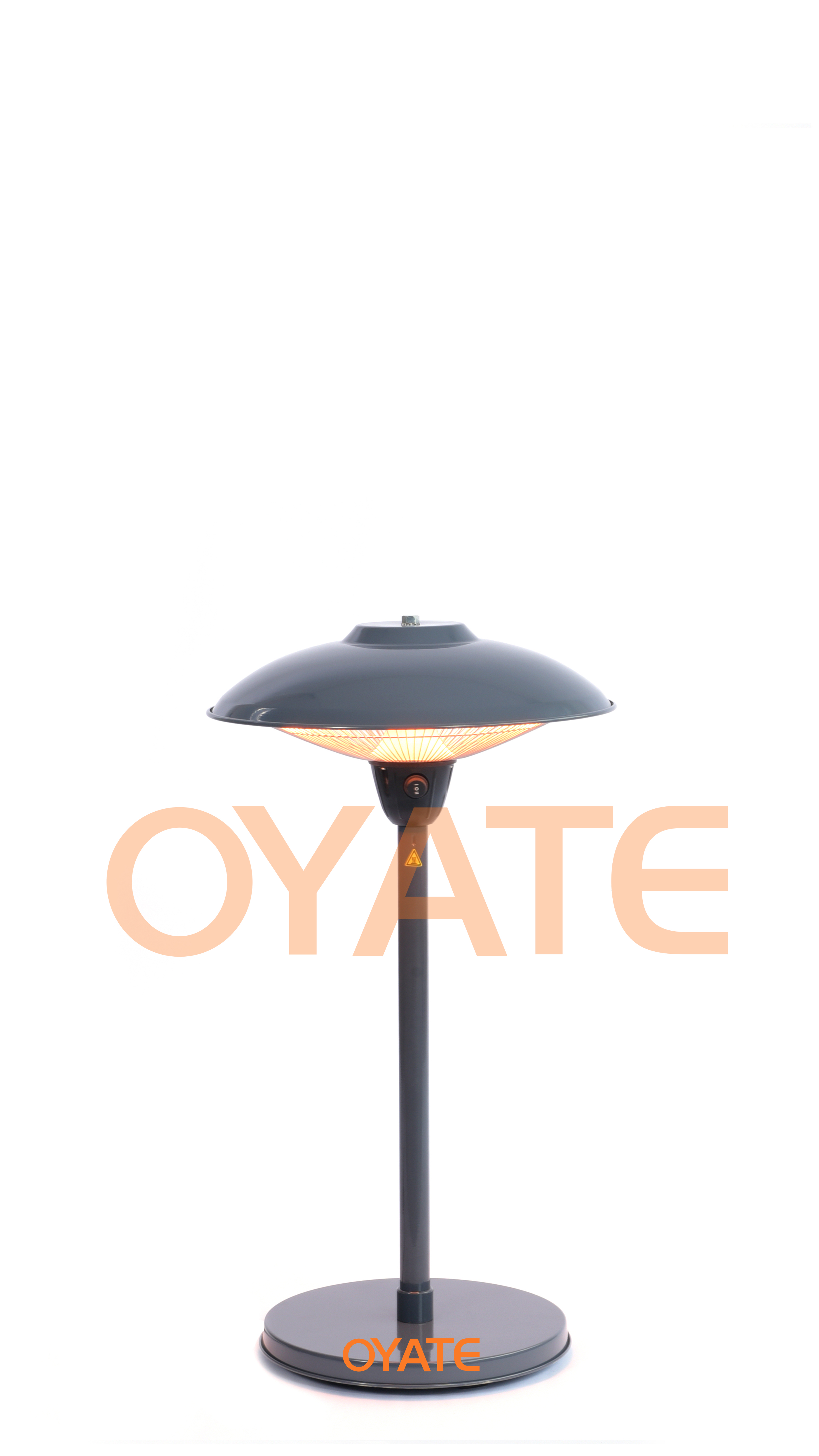
Here is the thing about infrared heaters: they don’t bother heating up the air in the room. Instead, they go straight for the target—you. It’s that immediate, cozy warmth you feel the second you step in front of them. But when you want to tie that into a smart home, you’re basically trying to control a beast of a power load with a tiny, low-voltage signal. It takes a bit of a specific approach to get it right.
How the Magic Happens
If you want that “instant spring” feeling in the middle of January, you need a solid bridge between your phone and the heater. Usually, we use a smart relay or an IoT controller that talks via Zigbee or Matter. It works like a chain reaction: you tap a button in your app, the smart switch flips, and that triggers a heavy-duty contactor. That contactor is the muscle—it dumps the full voltage into the quartz or carbon tubes. The best part? There’s no waiting around. No “warming up” period. You hit the switch, the filament glows, and you’re warm.Right now.
Don’t Melt Your House
Now, here is where people usually mess up. You cannot just plug these into a cheap smart plug you bought at the drugstore. They’ll burn out—fast. These heaters pull a massive amount of current. We always run these on their own dedicated circuits with the right breakers. We also use high-temperature wiring. Why? Because if the insulation melts near the chassis, you’ve got a real problem on your hands. Plus, you can get clever with sensors. If you link a PIR motion sensor or a smart thermostat, the heat only kicks in when someone is actually standing there. It’s a great way to stop burning money by heating an empty room.
The One Catch: Power Spikes
There is a trade-off for that instant heat. When those high-wattage heaters kick on, they create a huge “inrush” of power. If your smart hub or your router is on that same circuit, you might notice your lights flicker or your hub rebooting. It’s annoying and unstable. My advice? Keep the heating load on its own separate line. It keeps the “brains” of your smart home happy and your lights from blinking every time you want to get warm.