

Stop Fighting With Your Bathroom Heater
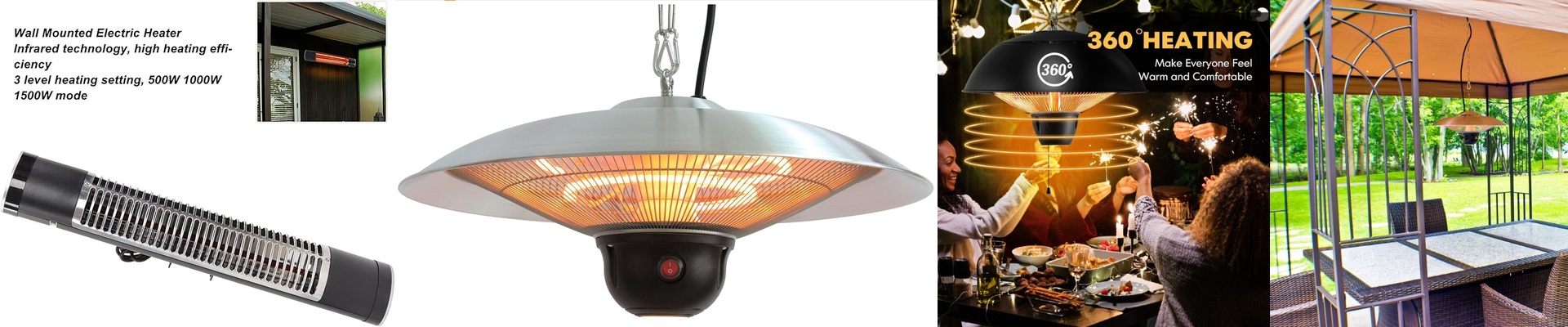
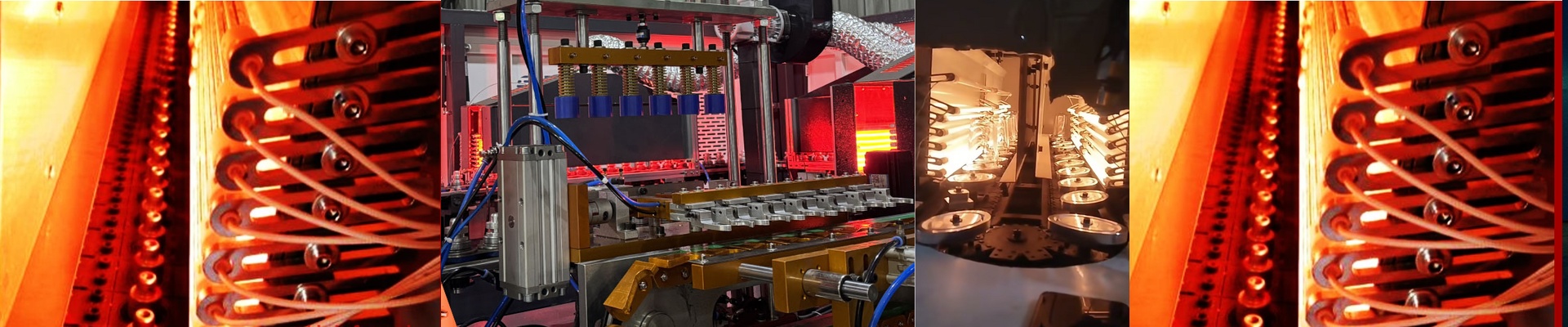
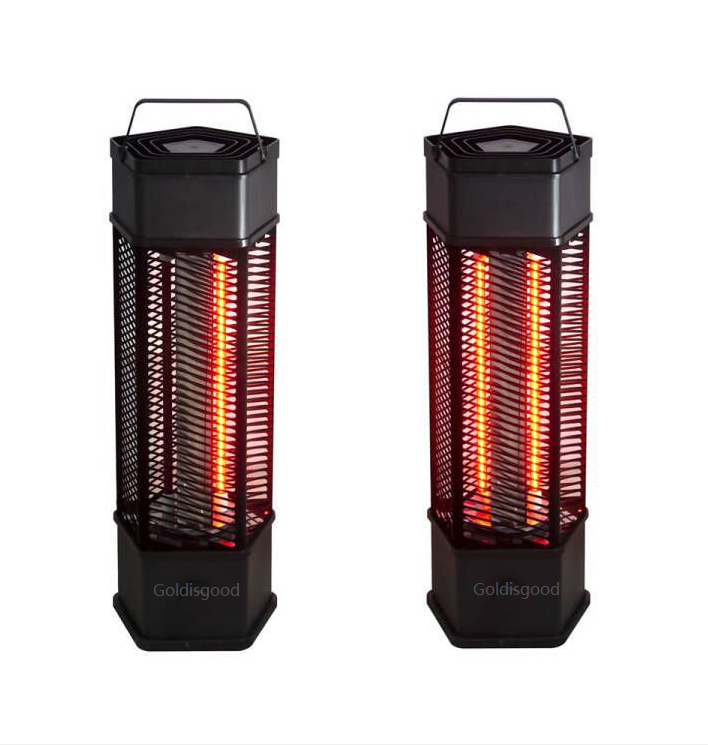
Let’s be honest: those old-school bathroom “lamp heaters” are kind of a joke. They aren’t actually built for the one thing they live in—moisture. If you’ve ever dealt with a flickering unit or a rusted casing, you know exactly what I mean. That’s why we’ve been moving toward IP65-rated infrared elements. Now, that sounds like technical jargon, but all it really means is that the guts of the heater are sealed tight. No steam getting in, no water leaking into the electrics. Just a solid, dry seal. Why the IP65 thing actually matters Most standard heaters have these tiny gaps or seals that just rot away over time. An IP65 rating means the unit is basically dust-tight and can handle water jets hitting it from any direction. We use heavy-duty gaskets and sealed cable entries to make it happen. It stops the short circuits. It stops the corrosion. It just works. The magic of infrared Here is the cool part: infrared doesn’t bother trying to warm up the air in the room. If you have a drafty bathroom, a normal heater is just wasting energy trying to fight the wind. Infrared is different. It sends out radiation that hits you directly. It’s that instant, cozy warmth you feel the second you step under it. It doesn’t care if the door is open or if there’s a breeze; the heat stays where it belongs—on you. A few things to watch out for If you’re planning to swap these into a renovation, don’t just wing it. You can’t simply pop a high-output infrared array into a socket meant for a low-wattage bulb. Your circuit breakers will hate you. Most of these units need their own grounded line to handle that initial power surge when they kick on. We use quartz or halogen-filled tubes because they’re incredibly fast. You hit the switch, and you’re warm in seconds. But a word of caution: quartz glass is fragile. Even though the housing is waterproof and tough, a direct hit to the tube will crack it. When you’re installing them, mount them high enough so nobody accidentally bumps into them. Is it worth the switch? Absolutely. When you move to IP65 infrared, you basically stop worrying about your heater. No more burnt-out sockets. No more flaky hardware. You get the same warmth you’re used to, but with a level of safety and reliability that actually lasts.