Why Most Coop Heaters Die (And How We Fixed Ours)
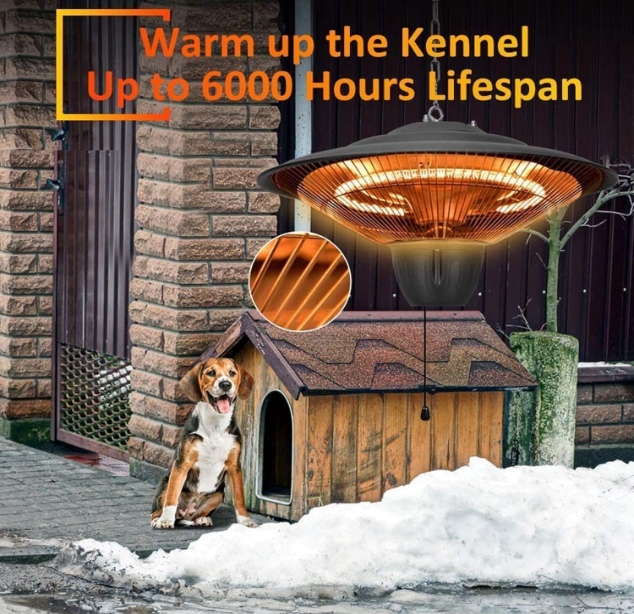
Let’s be honest: chicken coops are absolute nightmares for electronics. Between the thick dust, the humidity, and those ammonia fumes, it’s basically a recipe for gear failure. Most infrared lamps struggle because a gross, conductive film builds up on the glass. This creates “hotspots” that eventually pop the glass or fry the electronics. It’s frustrating, and it’s expensive. Dealing with the damp We tackled this by using a specific anti-fog coating and a sealed housing. Here is why that matters: when a tiny water droplet hits a scorching hot quartz tube, it creates a cold spot. That sudden temperature swing—thermal shock—is what cracks the glass. Our splash-proof design just pushes the water away from the electrical terminals. The seals are tight enough to handle a fine mist, though I’d still suggest keeping your pressure washer away from the unit if you want the seals to last. The boring (but important) technical stuff We picked emitters that can handle being turned on and off rapidly without burning out. But the real secret is where the wiring meets the lamp. That’s usually where things go south. By using corrosion-resistant alloys and moisture-proof gaskets, we stopped the terminals from rusting away in that damp coop air. It just lasts longer. Simple as that. A couple of things to keep in mind There is a trade-off. Because we added the shielding and coatings, the heat doesn’t hit like a laser beam—it’s more of a diffused spread. Actually, your birds will love this. It means fewer skin burns. Just keep in mind that you might need to hang the heater a bit lower to keep the floor as warm as you’d like. One last thing:**please use a GFCI breaker.**We’ve done our best with the splash-proofing, but livestock housing is a wet environment. Don’t gamble with your safety—gear up with the right electrical protection.