Getting the Heat Right in Rotary Ovens
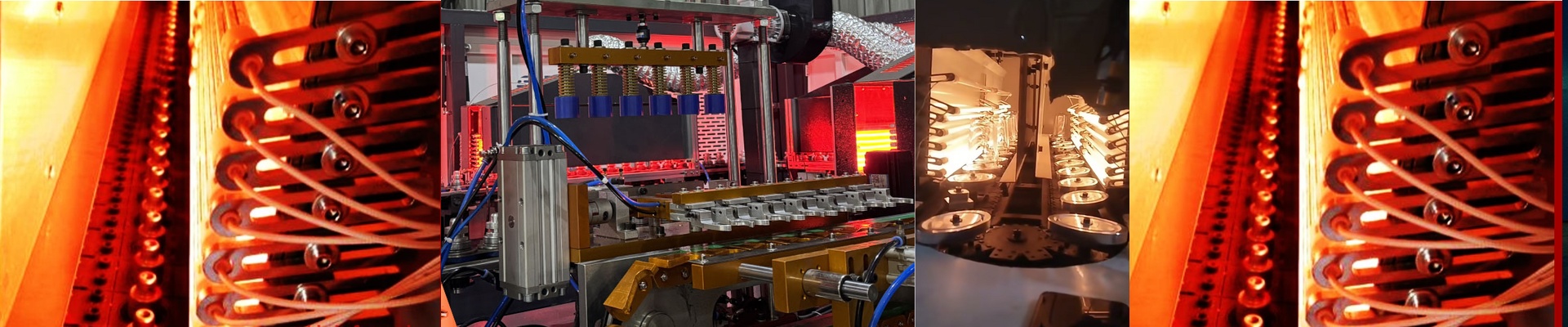
Ever noticed how standard convection ovens can just… suck the life out of food? They blast hot air everywhere, and before you know it, your product is bone-dry. That’s why we went with ceramic infrared (IR) heaters. Instead of relying on air, IR energy goes straight into the food. It’s a different kind of heat. It lets you get that perfect, crisp crust on the outside without drying out the middle.
Balancing Speed and Heat
When you’re running a rotary oven, things are always moving. You can’t have a heater that takes forever to wake up. These ceramic blocks turn electricity into infrared radiation almost instantly. We play around with the wattage and the size of the ceramic block to get the “push” of the heat just right. If you crank the heat density too high, you’ll scorch the outside before the center even gets warm. It’s all a balancing act between how hot the heater is and how fast the oven is spinning.
Why Ceramics?
We use high-purity alumina ceramics to hold the coils. Why? Because they can take a beating. They go from freezing to scorching and back again without cracking. Something else to consider: ceramics hold onto heat much better than quartz lamps. This is a huge plus. When you swing the oven door open or slide in a fresh batch of cold product, the temperature doesn’t just plummet. The ceramics keep the heat steady, so you aren’t constantly fighting to get back up to temp.
The Practical Stuff
If you’re switching from old-school heating rods, these are pretty easy to drop in. The wiring is simple. Just a heads-up: these things gethot. Really hot. You’ll want to make sure they have plenty of breathing room so you don’t accidentally melt a sensor or a wiring loom nearby. Also, you’ll need to spend a little time tuning your PID controller. If you set it too aggressively, the temperature will overshoot your target. Make sure your thermocouples are placed exactly where they need to be. That’s the only way to ensure every single piece of food gets the same amount of heat as it spins through the cycle.