Getting the Heat Right in Smart Rotary Ovens
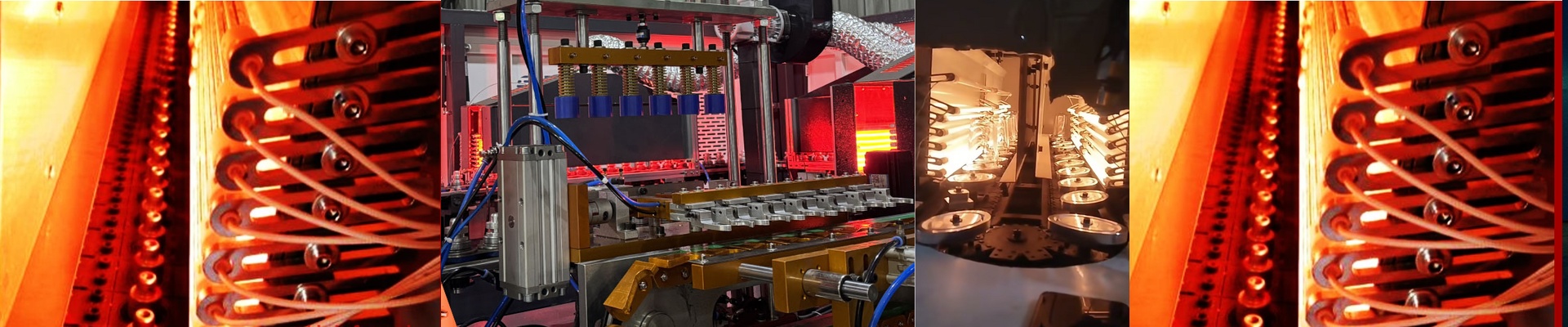
If you’re building AI-integrated kitchens, you’ve probably noticed a annoying problem: standard heating coils are just too slow. They can’t keep up with the split-second decisions a sensor makes. That’s why we use short-wave infrared (IR) emitters. They react instantly.
The balancing act of power and space
When you’ve got a rotating rack, the goal is a consistent bake everywhere. But you usually don’t have a ton of room to work with. We handle this by tweaking the wattage-to-length ratio. By using high-voltage setups, we can cram more power into a smaller tube. It means your oven ramps up to temperature way faster. Just a heads-up, though—pushing that much power through a small space puts a lot of stress on your wiring. Make sure your circuitry can handle the peak current, or you’ll be replacing burnt-out wires sooner than you’d like.
Why quartz matters
We build these lamps from high-purity quartz. Why? Because AI controllers are constantly flicking the heat on and off to maintain a precise temp. Most materials would crack under that kind of thermal shock. Quartz just takes it. Plus, we can add special coatings to the glass. This helps the heat actually soak into the dough instead of just searing the outside while the middle stays raw. And since every chassis is different, we can customize the lengths and connectors so they just slide right in.
No more “overshooting”
The real magic happens in the feedback loop between the IR sensors and the emitters. Traditional ovens have a lot of “thermal mass,” meaning they keep pumping out heat even after you turn them off. That leads to over-baking. IR lamps don’t do that. The second the power cuts, the heat stops. When you pair these with a PID controller, your temperature curve stays flat. No spikes, no dips. Just the same perfect batch, every single time.