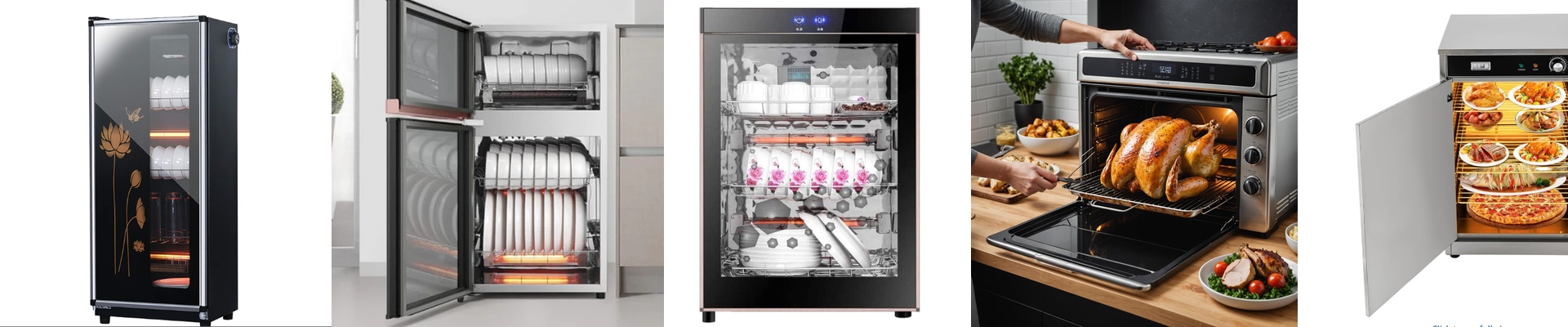
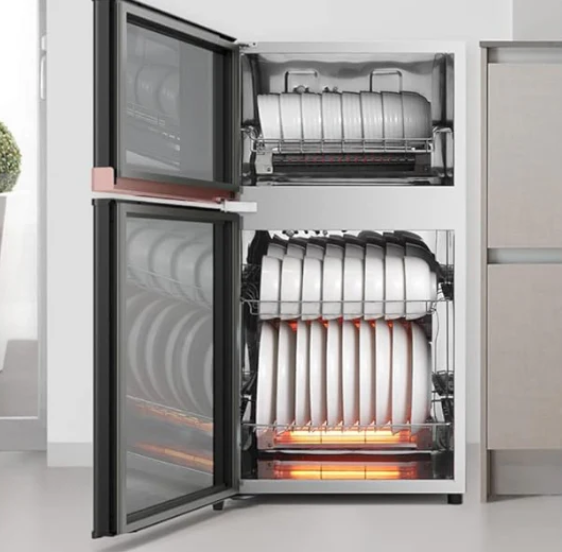
Why Infrared is a Better Way to Warm bread
Think about how a normal convection oven works. You’re basically paying to heat up a giant box of air, hoping that air eventually warms up your bread. It’s slow, and honestly, it’s a waste of energy. Infrared (IR) does things differently. Instead of messing with the air, it sends energy straight to the dough using electromagnetic waves. It’s direct. It’s efficient. And it stops you from throwing money away by heating an empty oven cavity.
Speed and Power
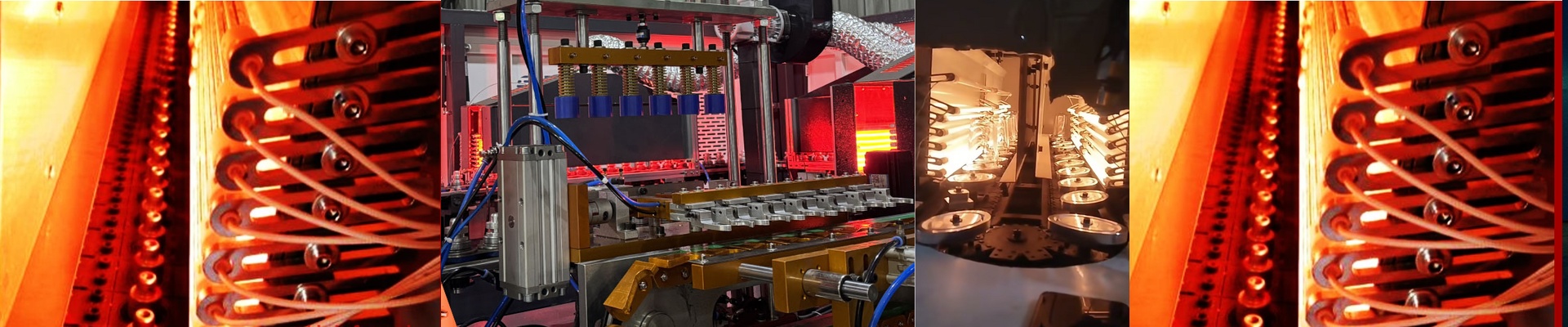
We use quartz emitters—specifically short-wave and medium-wave—because they react almost instantly. Traditional heating elements are a drag; they take forever to warm up. But these IR lamps? They hit their target temperature in seconds. That means you can ditch those long pre-heating cycles. You just turn it on and go. Now, because these things pack a lot of punch, you can actually make your oven smaller. But you have to be smart about it. If you just crank up the wattage without setting up proper zones, you’ll end up with bread that’s burnt on the outside and ice-cold in the middle. No one wants that.
The Nitty-Gritty Stuff
We build these emitters with high-purity quartz glass. Why? Because it can handle the shock of heating up and cooling down rapidly without cracking. We also fill them with halogen gas. It keeps the filament alive longer and ensures the heat stays consistent for thousands of hours. And we didn’t want you spending your afternoon playing electrician. We use standard industrial connectors, so if a tube ever burns out, you just pop it out and slide a new one in. It takes minutes. No rewiring the whole rack required.
The “Green” Trade-off
If you’re looking to lower your carbon footprint, this is the way to do it. You’re cutting down the total kilowatt-hours per loaf because you’ve stopped heating the air. But there is a catch:line-of-sight. IR heat only hits what it can “see.” If you cram your racks too full or if your loaves are weirdly shaped, you’re going to get cold spots. You’ve got to be intentional about where the emitters are placed to make sure every single tray gets the same amount of love.