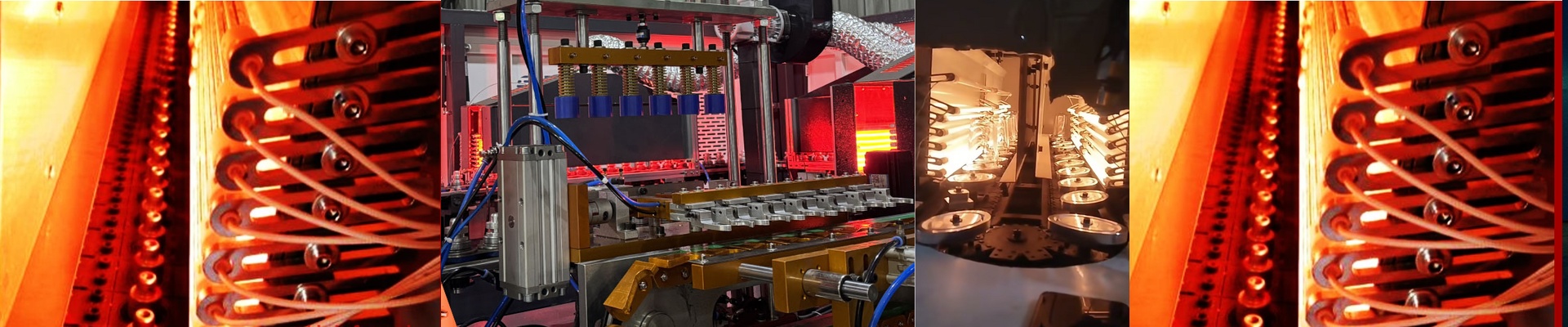
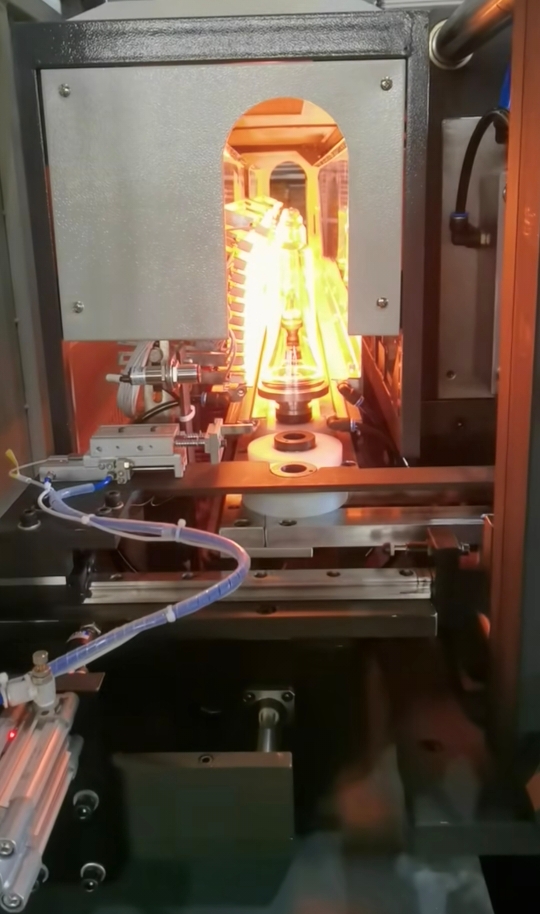
On a high-speed preform line, heating isn’t some background task you can set and forget. If you’re running a Sidel, Krones, SIPA, Husky, SACMI, or Nissei ASB blow molder, that heating tunnel has to nail a tight temperature window—fast. Run preforms too cool and you get weak stretch, heavy crystallization, and a growing pile of rejects. Too hot, and you’re looking at wall thinning, haze, and necks that won’t behave. Either way, the line stops making money.
What matters under the hood
We build this IR radiator specifically for PETC preform heating in stretch blow molding. It uses a high-efficiency short-wave infrared element matched to PET’s absorption profile. It’s engineered as a direct-fit replacement, with OEM-grade specs: rated power that matches the original lamp, standard voltages, and geometry that drops into the heating tunnel without fuss. The lamp ends use R7s connectors, and the quartz envelope is chosen for rapid thermal response and stable output over the life of the part. We control the filament and reflector geometry so the heat profile stays consistent. That means fewer hot and cold spots, and less time chasing zone power every time you start a new job.
Why it plays nice with your equipment
This radiator is meant to drop into your existing blow molding setup with zero rework. It runs on the same power and control logic your machine already uses, so you keep your heating recipe and your cycle time. Short-wave IR responds quickly, heating the preform surface fast and evenly. That supports repeatable biaxial stretching and tightens up thickness variance. In practice, you see fewer pinholes, clearer bottles, and less scrap from thermal stress. Energy use comes down because the element hits target temperature fast and holds it steadily, instead of cycling hard to compensate for drift.
The practical details that save you headaches
Installation is straightforward, but alignment is everything. If the lamp isn’t seated right in the reflector or the connector is loose, you’ll get uneven heating and a shortened service life. Before ordering, confirm lamp length, base type, and wattage against your machine model and heating zone layout. These are high-intensity emitters, so lock out power before handling and let the lamp cool completely before touching the quartz. You’ll get the best performance when the heating tunnel is clean, reflectors are intact, and airflow is stable.