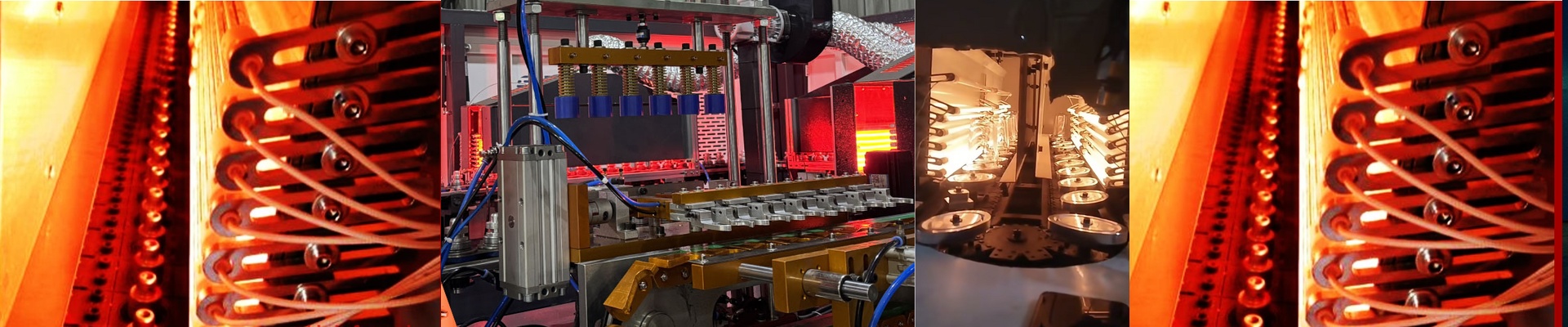
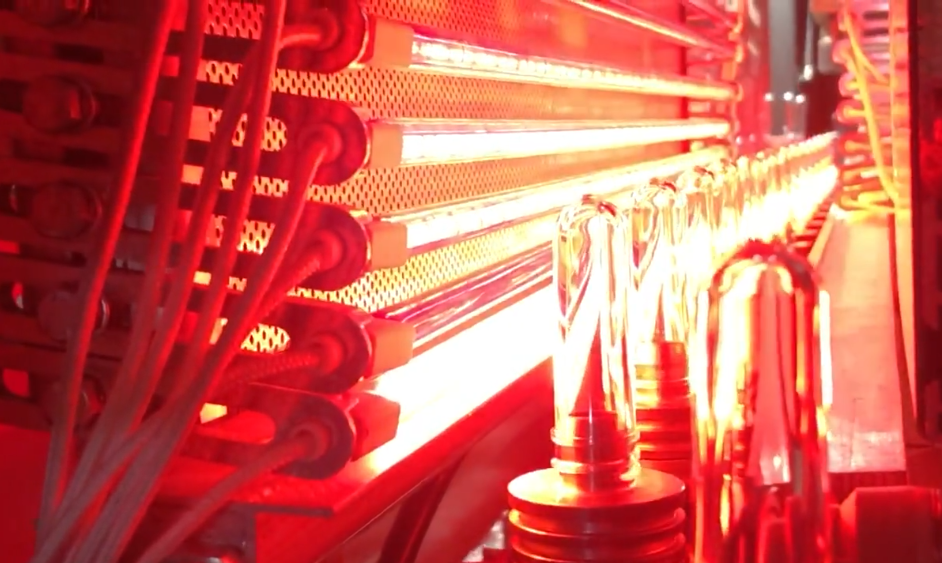
On the floor, the heating tunnel is where you stop guessing and start controlling. Preform temperature drifts, and you see it right away—uneven wall thickness, blown shoulders, necks that start to crystallize. You run the same recipe, yet output swings because the radiator can’t hold the profile across the layers. We built the multi-layer preform heating radiator to replace that uncertainty with repeatable heat—engineered for blow molders, not just a generic heater.
What matters technically
We design the heating radiator around the physics of PET stretch blow molding: fast, localized energy with tight control.
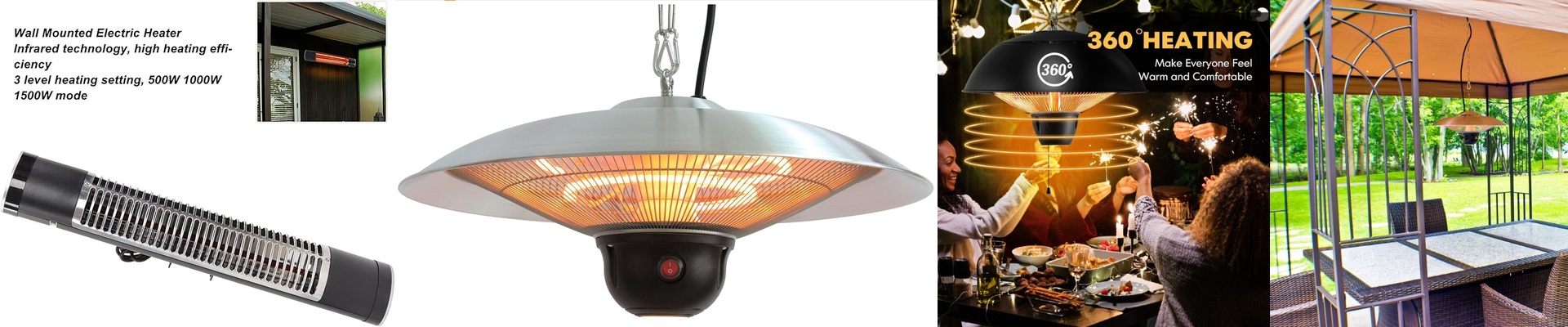
- **Infrared emitter choice:**We offer quartz halogen (short-wave) and medium-wave infrared options. Short-wave gives you high intensity and fast response—good for quick-cycle machines and thin-wall preforms. Medium-wave penetrates deeper, smoothing temperature across thicker sections and multi-layer walls without scorching the surface.
- **Multi-layer profile control:**The radiator is segmented—upper, mid, lower—each zone tuned independently. That lets you match the thermal behavior of different materials in the same preform, from PET outer layers to barrier layers, without overheating the neck or underheating the parison.
- **Temperature repeatability:**Expect ±1°C stability at the preform surface when the tunnel setpoint is held. That translates directly into consistent stretch ratios and fewer rejects from off-spec bottles.
- **Power density and voltage:**Units are rated for common industrial voltages (230V/400V), with power matched to tunnel length and line speed. We size the power so you hit target temperature in the available dwell time, without chasing peaks and troughs when line speed changes.
- **Physical fit and connections:**The radiator is built to drop into standard heating tunnels, with mounting dimensions compatible with mainstream blow molders. Terminations use industrial connectors—R7s for lamp-style emitters and solid terminal blocks for ceramic assemblies—so replacement takes minutes, not hours.
- **Efficiency and service life:**Infrared heats the preform directly, not the air around it. That cuts wasted energy and reduces load on cooling. Emitters run 5,000+ hours with minimal output drop, and modular segments mean you replace the worn zone, not the whole bank.
Why it works where you run
You run a blow molder—Sidel, Krones, SIPA, Husky, SACMI, or Nissei ASB—where uptime and yield come down to bottles per hour. The heating radiator isn’t an accessory; it’s the thermal backbone of your stretch profile.
- **Compatibility without compromise:**We match OEM tunnel geometries and mounting points, so you can swap in the radiator without modifying the machine frame. Electrical interfaces line up with existing wiring, so commissioning is a straight refit.
- **Consistent bottle quality:**Multi-layer preforms are sensitive. If the inner layer runs cooler than the outer, you get uneven stretch and weak barrier performance. Segmented infrared control keeps the entire wall at the right temperature profile, reducing thickness variance and improving top-load strength.
- **Cycle time headroom:**Infrared heats fast. When you increase pitch or shorten cycle time, the radiator recovers quickly and keeps preform temperature stable. That gives you room to push output without giving up quality.
- **Lower operating cost:**Energy goes into the preform, not the tunnel air, so you see lower kWh per thousand bottles. Fewer lamp failures and modular replacement also cut spare parts inventory and maintenance downtime.
- **Reduced scrap:**Stable heating means fewer blown bottles, fewer neck crystals, and less rework. That shows up directly in scrap rate and resin consumption.
Things to know
Installation is straightforward, but real-world conditions matter.
- **Alignment and clearance:**The radiator has to sit centered in the tunnel, with the specified air gap to the reflector and preform path. Misalignment creates hot and cold bands, even when the setpoint is correct.
- **Zone tuning:**Multi-layer preforms often need different power ratios between upper, mid, and lower zones. Expect to spend time dialing in the profile for each recipe. Once set, save it—changeovers become repeatable.
- **Temperature sensing:**Use a calibrated pyrometer or thermal camera to validate surface temperature at the preform, not just the tunnel thermocouple. The difference can be significant.
- **Environment:**High humidity and dusty air cut infrared transmission and coat reflectors. Keep the tunnel clean and sealed, and inspect reflectors on schedule. In wet washdown areas, verify IP ratings and shielding.
- **Trade-off:**Infrared excels at fast, directed heating, but it’s line-of-sight. If your preform has deep recesses or variable wall thickness, you may need additional zones or emitter angles to avoid shadows. Layout the system around the preform geometry, not just the tunnel length. If your heating radiator can’t hold the multi-layer profile, you’re not just losing heat—you’re losing control. Specify the infrared heating radiator built for blow molders, and run the temperature you need, where you need it, all shift long.