The Shift to Precision in AI Kitchens
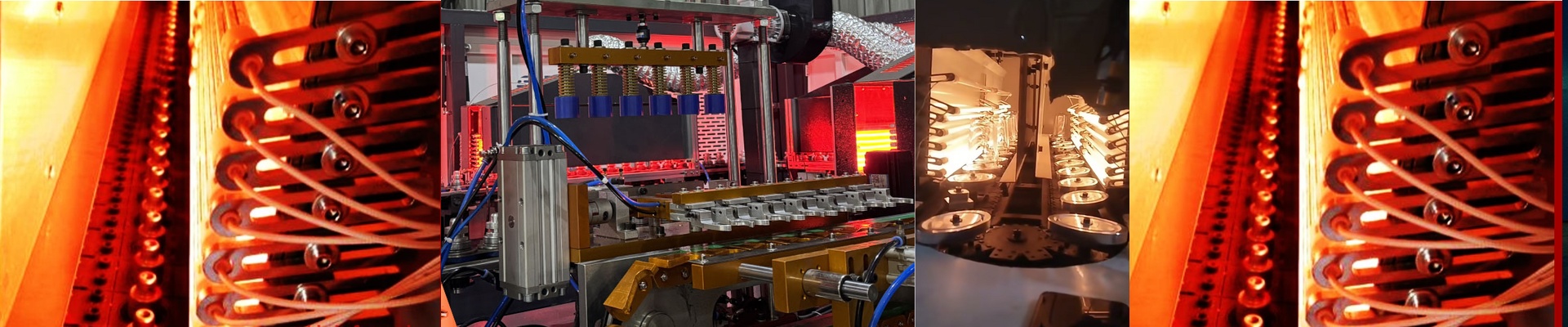
We built these fast-response infrared emitters for one reason: AI-driven kitchens need control, not just raw heat. They fire off targeted energy the moment it’s needed, so the system can adjust on the fly as loads change. The payoff for you? Cooking that’s consistent, and thermal profiles you can count on, every single time.
Technical Deep-Dive: Power, Voltage, and Response
When we talk about fast-response IR, we’re talking about speed and density. These run at high voltage—usually around 400V—which keeps power delivery stable across the whole tube. That eases the load on your wiring and controls, so the driver stays cooler and lasts longer. We match wattage and size to the oven cavity. A 2500W output across a 300mm tube focuses the energy exactly where it needs to be, so the temperature jumps up fast. That concentrated heat is why response stays quick: the element hits the setpoint almost instantly, then holds steady. Here’s the trade-off: that kind of focused power needs thoughtful thermal management. Your airflow and heat shielding have to be set up to handle the ambient load without tripping over-temp protection.
Material and Design: Halogen, Quartz, and Connectors
We chose a halogen-filled quartz envelope because it’s built for rapid heating and cooling cycles. The halogen cycle keeps the filament stable, resists blackening, and keeps output consistent for thousands of hours. The R7s connector is a practical pick for linear tubes. It makes solid contact, makes lamp swaps easy, and fits standard mounting hardware. That means our emitters drop right into existing oven fixtures—less downtime, more uptime.
Application and Benefits in Convection Ovens
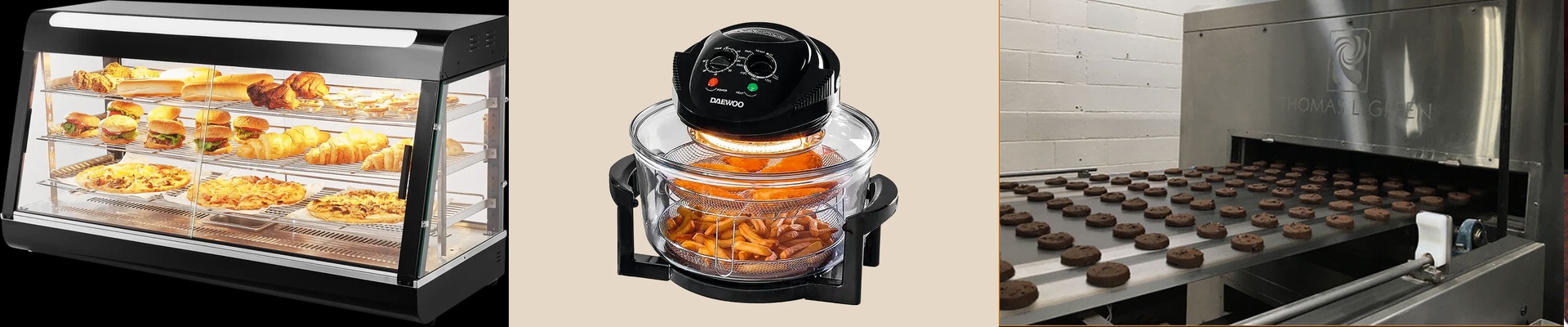
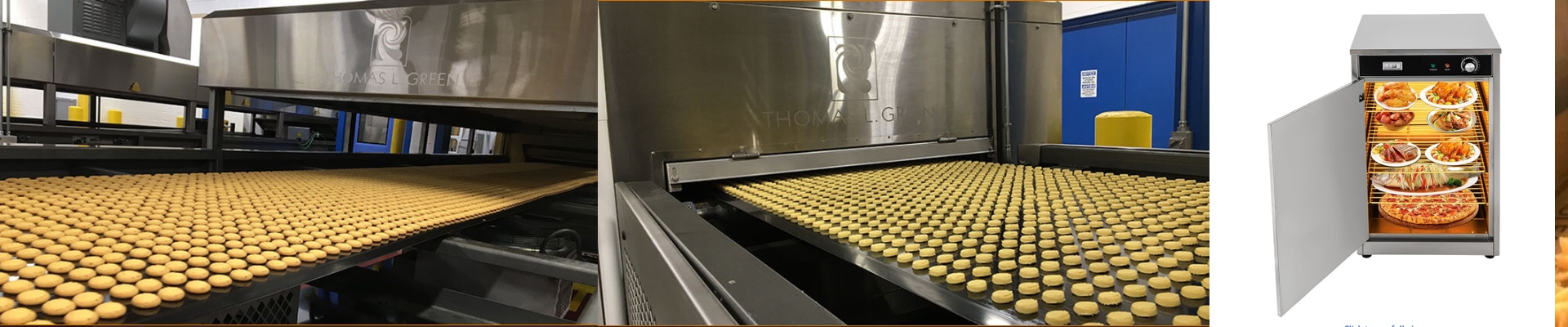
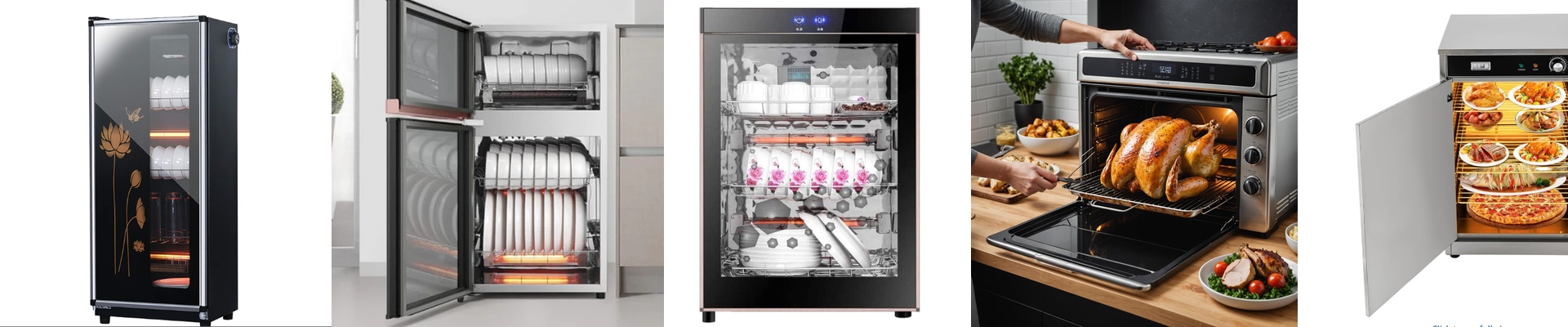
In a convection oven, infrared hits food surfaces faster than air alone. With our fast-response emitters, the control system can adjust heat on the fly, step-by-step, as the recipe demands. You get tighter temperature control, shorter preheats, and less wasted energy recovering after the door opens. For engineers, it means a cleaner thermal footprint, fewer alarms from overshoot, and an easier integration. If your oven runs hard, day after day, this setup is built to take the strain—without giving up control.