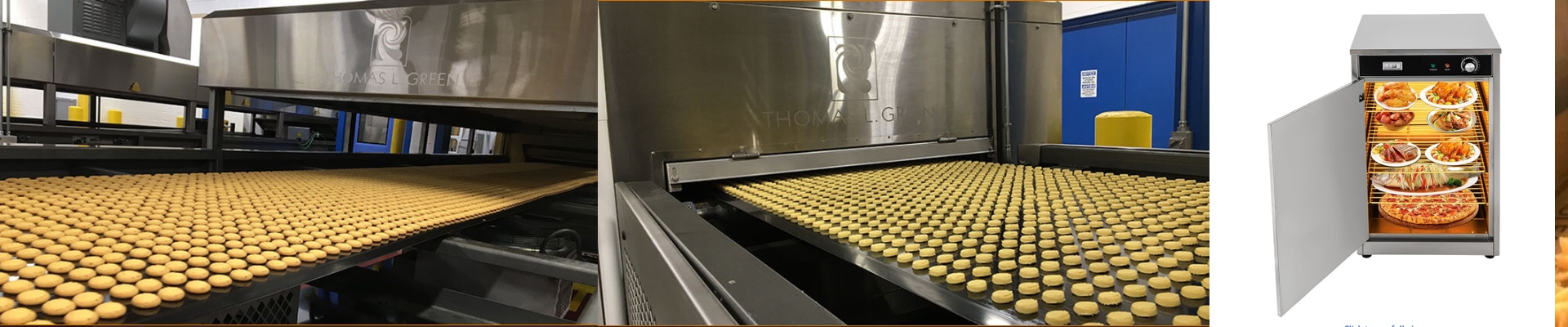
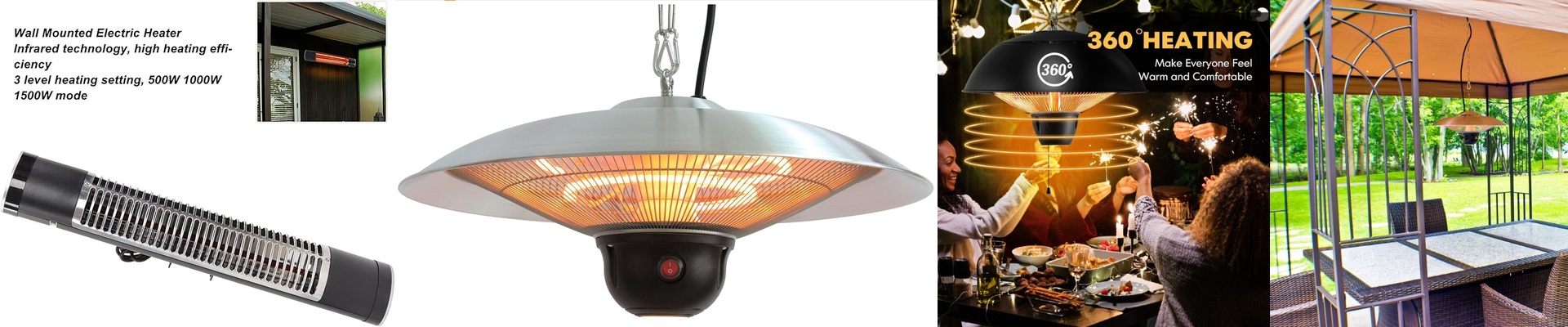
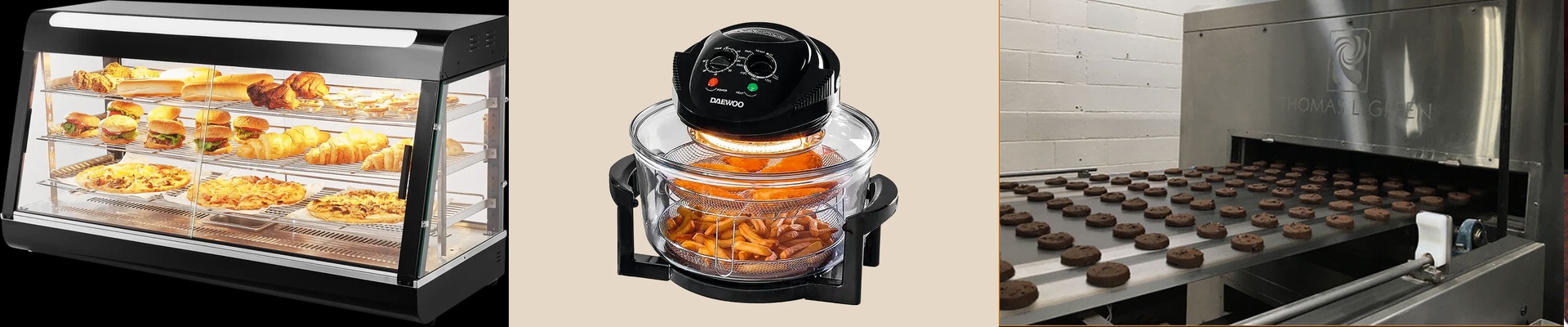
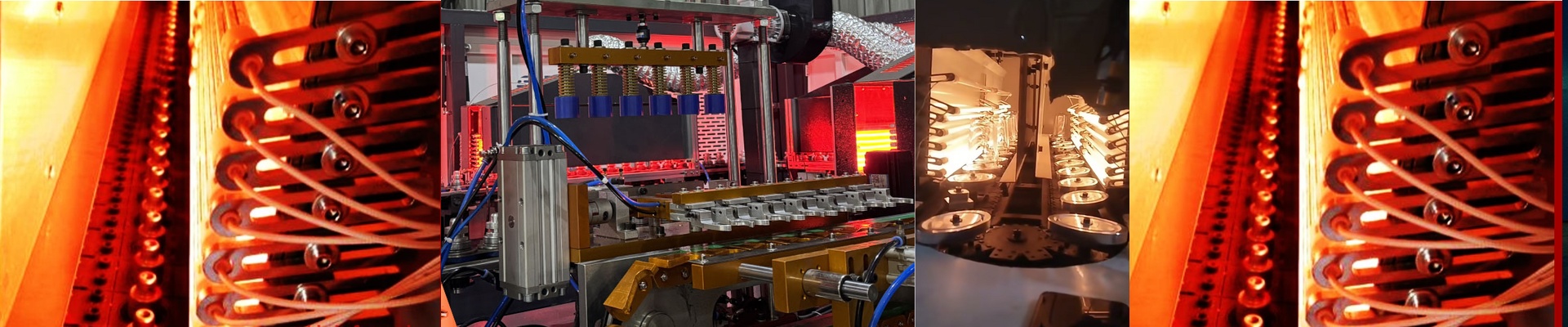
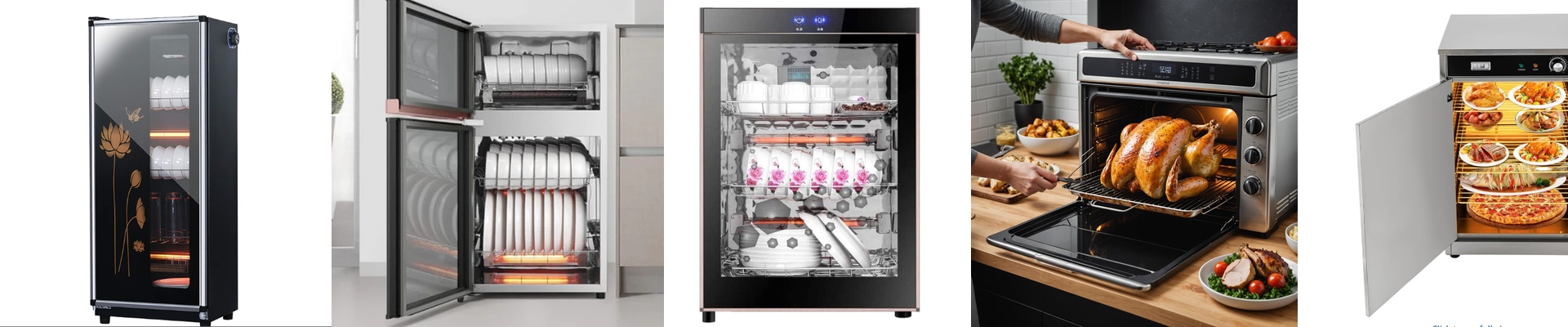
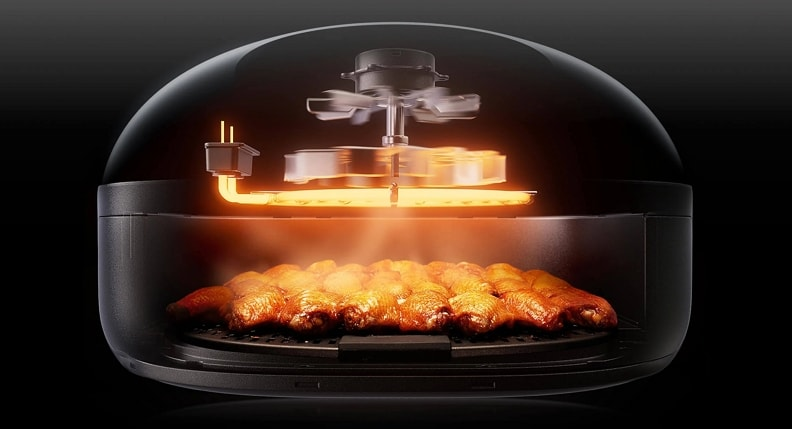
When your front-of-house warming display has to hold product at safe, appealing temperatures without drying it out, slow recovery hits more than your timing. It hits consistency. If the element lags after a door swings open, temps drift. Crusts go soft. You’re either chasing heat and overcooking, or you’re sending out food that doesn’t meet your standard. What matters under the hood We build the fast-response thermal element for warming display around a high-efficiency quartz heating system with low thermal mass. That gives near-instant heat-up and rapid recovery—setpoint in seconds, not minutes. Precision thermostats hold the baking chamber within tight bands, so holding heat stays steady even when the door gets opened a lot. The element is laid out to deliver even radiant heat across the pan surface, which helps preserve texture and moisture without hot spots. In practice, you get repeatable temperature control that’s faster than the old coil-based approach. Why this matters on the line In a busy kitchen, the display is part of the production line. Faster recovery means your team can refill trays quickly and keep holding temps stable through rush periods, so throughput improves without sacrificing food quality. Precise control protects crust integrity and keeps overcooking off the ticket, so the last item served looks and tastes like the first. Energy use drops, too, because the element heats on demand and idles less. Fewer temperature swings mean fewer alarms, fewer rejects, and a calmer service window. The fine print Fast response demands clean installation and the right voltage match. These elements run best on dedicated circuits with stable power; voltage imbalance will shorten element life. Clearance to pans and reflectors matters—airflow and line-of-sight heat paths keep performance consistent. You’ll get faster heat-up and tighter control, but plan the mounting and wiring properly so you actually get the full benefit.