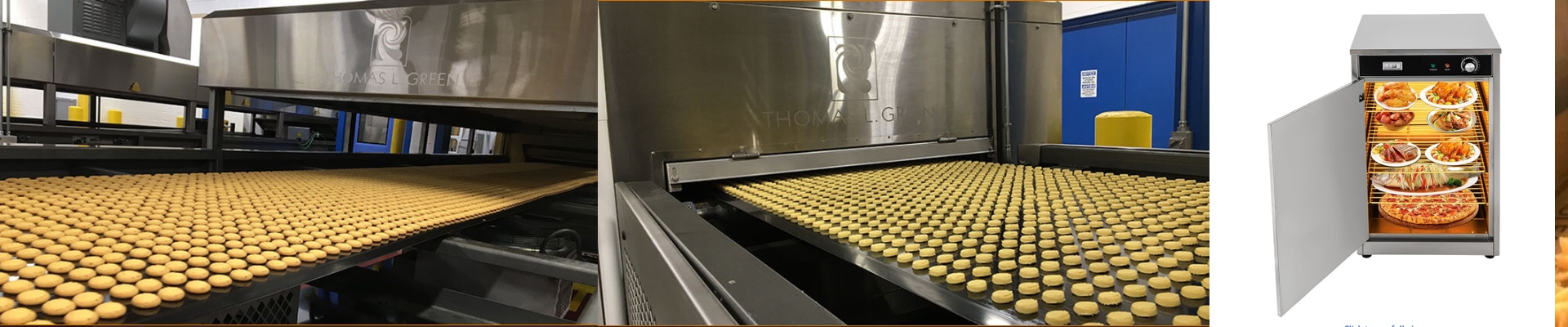
Stop Fighting Your Oven’s Hot Spots
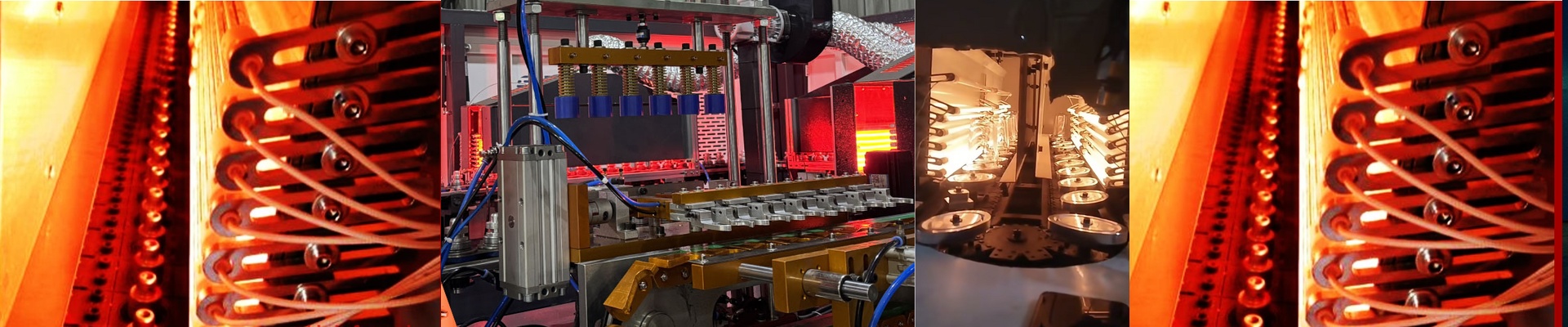
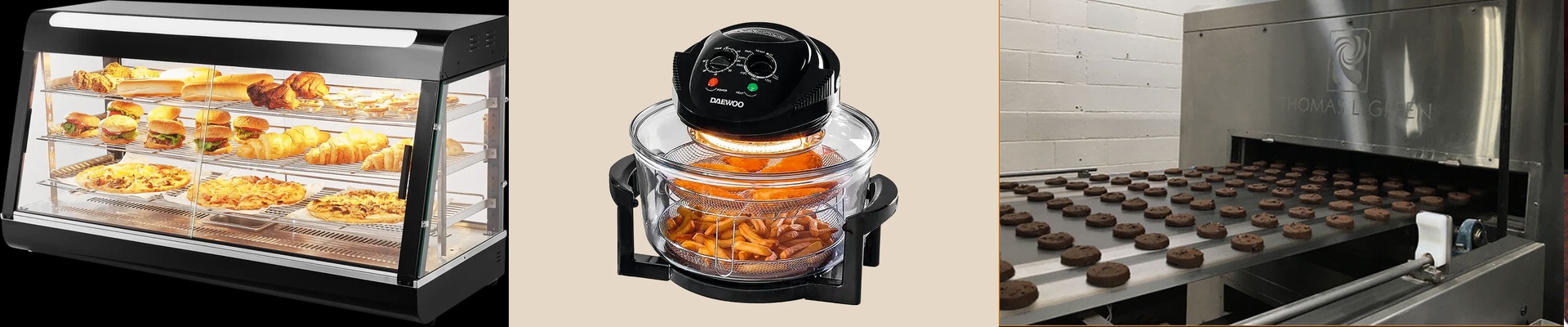
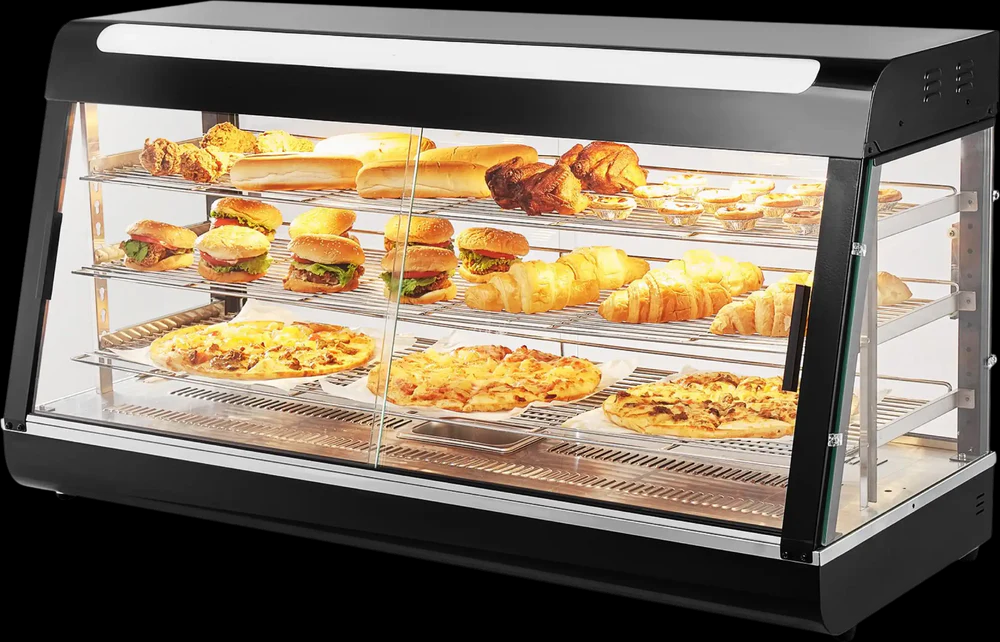
If you’ve ever used a multi-layer stainless steel convection oven, you know the frustration. You put a batch in, hoping for perfection, but the top rack comes out burnt while the bottom is barely done. It’s a nightmare. The heat just doesn’t move the way it should. It pools at the top or leaks out the bottom. Even the best fans can’t always push the air around enough to make every shelf equal. To fix this, we stopped relying solely on air and started using infrared (IR) heating lamps for each zone.
Why air isn’t enough
Here’s the thing: convection is slow. You’re basically waiting for air to carry heat, which takes time and is wildly inconsistent. IR heaters are a different beast. They send electromagnetic radiation straight to the surface of your product. By putting separate IR tubes in every single layer, you aren’t praying for the heat to climb from the bottom to the top. You just control each shelf on its own. It’s a lot more predictable.
The nitty-gritty on the setup
We go with quartz-halogen IR tubes. Why? Because they hit their target temperature in seconds. When you’re planning your system, keep an eye on the wattage per linear inch. That’s what dictates your heat density. If you go with high-wattage tubes, you’ll warm up faster, but you’ll need a beefy power supply and some precise PID controllers. Otherwise, you’ll overshoot your temp and ruin the batch. Also, don’t overlook the stainless steel reflectors. They aren’t there for decoration. They bounce those IR waves back into the chamber so you aren’t wasting energy heating up the oven walls.
The trade-offs (Because nothing is perfect)
Adding IR lamps kills the temperature gap, but it does introduce a new headache: radiation hotspots. If your product is sitting too close to the tube, the outside will char before the middle is even warm. You have to find that sweet spot between the IR intensity and the air flowing from the convection fans. Plus, you’ve got to make sure your wiring can actually handle the load. Multiple independent zones draw a lot of current. You don’t want to be tripping breakers in the middle of a rush. Stick with high-temp leads and put a calibrated thermocouple in every zone. That’s the only way to make sure your layers are actually staying in sync.