Why Your Commercial Reheating is Too Slow (and How to Fix It)
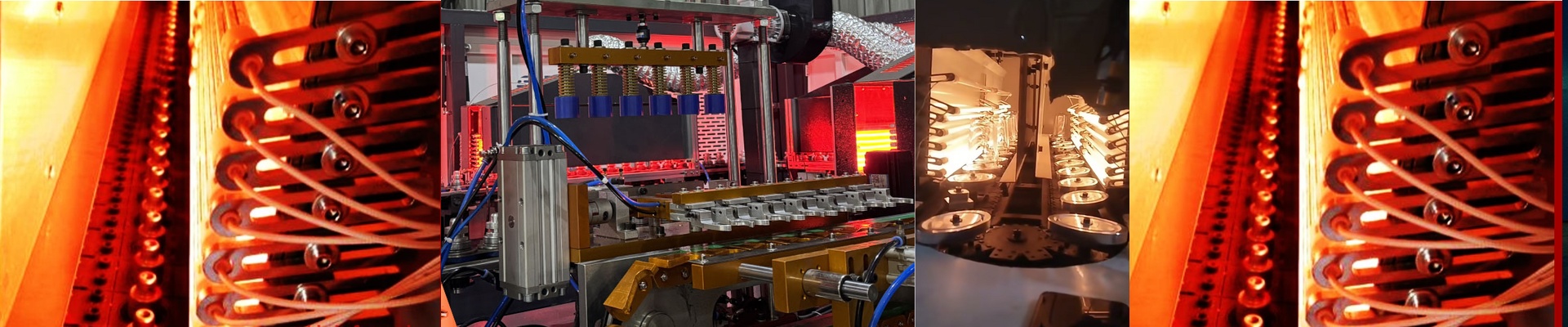
Most ovens work by heating up the air, and then hoping that air eventually warms up your food. It’s a slow process. That lag is exactly what’s killing your cycle times. We do things differently. We use short-wave infrared (IR) elements that basically ignore the air entirely. Instead of waiting around, the energy hits the surface of your food directly. It’s almost instant. You’re talking seconds, not minutes. Getting the speed you actually need If you want to push more product through your line, you need more heat, and you need it now. Traditional ovens use heavy metal tubes that spend half their time just heating themselves up. That’s a waste. Our elements hit peak wattage the moment you flip the switch. Because there’s no heavy mass to warm up, all that energy goes straight into the food. Faster throughput. Simple as that. The hardware side of things We use quartz glass and halogen gas to keep the filaments stable, even when things get scorching. And don’t worry about a massive teardown of your current setup. We use standard R7s or SK15 connectors. For most of you, this is just a drop-in replacement. You can upgrade your heating tech without having to redesign your entire chassis. The catch (because there’s always one) Here’s the thing: these elements put out a massive amount of heat. If you aren’t careful, you’ll get hotspots. If your conveyor belt is crawling or your food isn’t spaced out right, you’re going to burn the outside before the middle even gets warm. You’ll need to spend some time dialling in your belt speed and the distance between the lamp and the product. Plus, make sure your vents are clear. These things run hot. If your housing doesn’t have enough airflow, you’re looking at melted sockets, and nobody wants to deal with that.