Getting Your Heat to Hit Fast (And Stay Reliable)
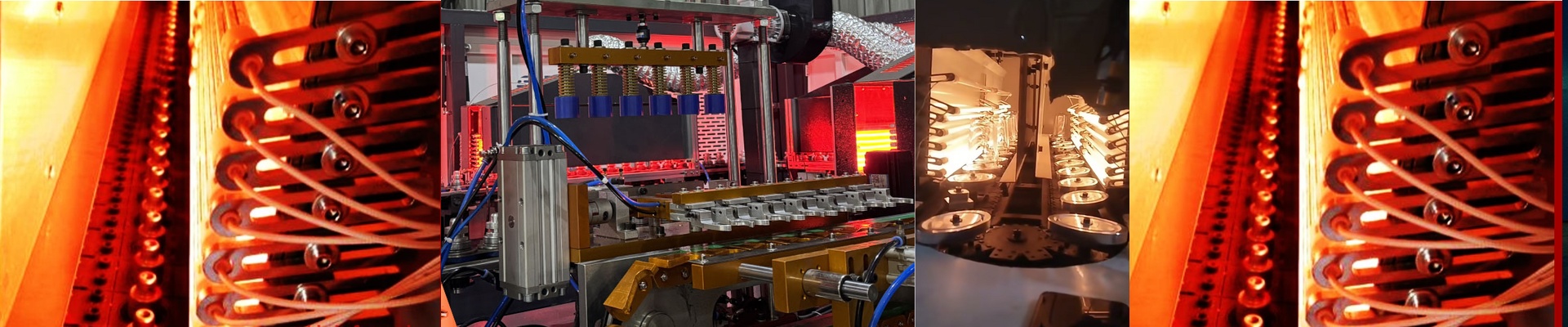
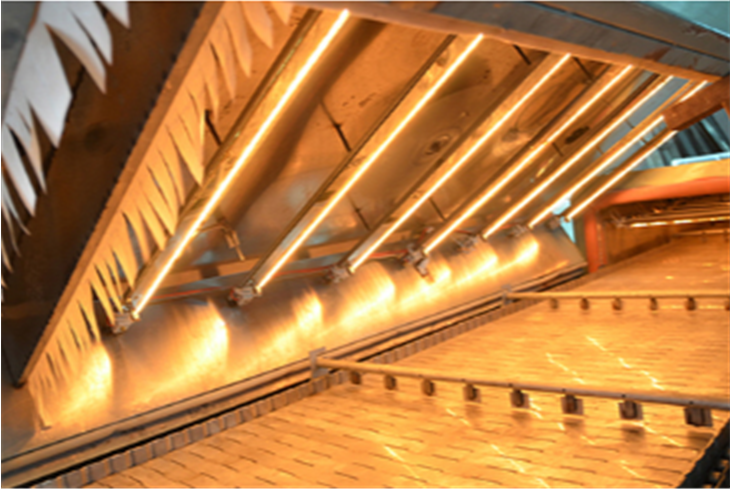
If you’re running a deck oven, you know the struggle. You need that perfect crust, but if you leave the heat on too long, you end up with a crumb that’s dry as a bone. It’s a balancing act. That’s why we use short-wave infrared (SWIR) technology. Instead of waiting for the air to heat up—which takes forever—our tubes beam energy directly onto the dough. It’s almost instant. You flip a switch, and you have heat. Just like that.
Why it actually works
It all comes down to the materials. We use a high-density tungsten filament tucked inside a high-purity quartz tube. Here’s the thing: because the filament is so lean, it doesn’t need to “soak” in heat before it starts working. It hits peak temperature in a heartbeat. But there’s a catch. When you’re clicking a heater on and off constantly, you’re putting a lot of stress on the glass. Cheap tubes can’t handle that kind of thermal shock; they’ll just crack after a few hundred cycles. We use quartz that can breathe—expanding and contracting without snapping.
The nitty-gritty of the setup
To keep these tubes from burning out, we fill them with halogen gas. It sounds technical, but it’s basically a recycling system. As the tungsten evaporates, the gas pushes it back onto the wire. It keeps the tube alive even when you’re pushing it hard. One thing to watch out for: your power controllers need to be a perfect match for the voltage and wattage. These tubes put out a massive amount of concentrated heat. **Check your reflectors.**If they’re even slightly off, you’re wasting about 20% of your energy by heating the oven ceiling instead of your bread. That’s just throwing money away.
Keeping it running in the real world
We made these as drop-in replacements. No weird custom adapters or headaches—just standard connectors so you can get back to baking. The only real rule?Keep the quartz clean. If flour or grease builds up on the glass, it creates hot spots. Those hot spots are killers—they’ll wear out your tube way faster than they should. A quick wipe-down saves you a lot of money in the long run.