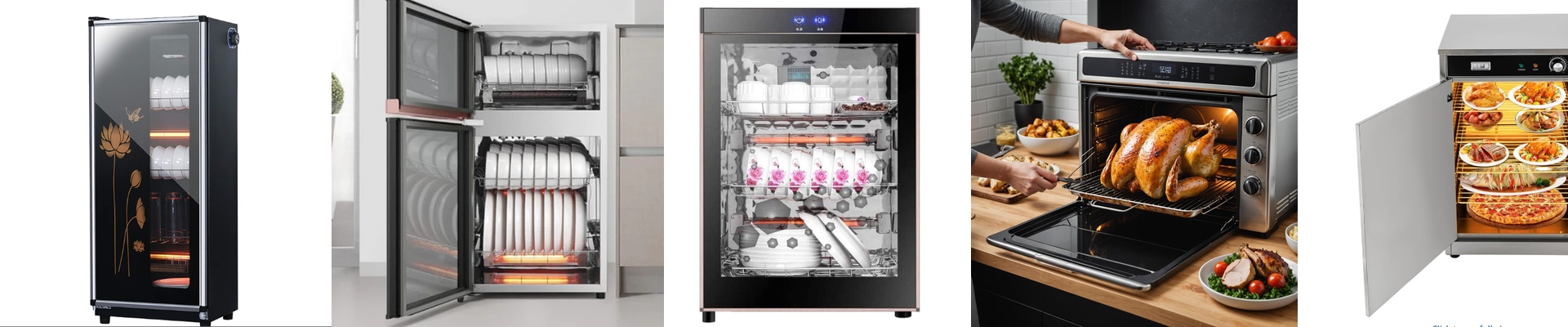
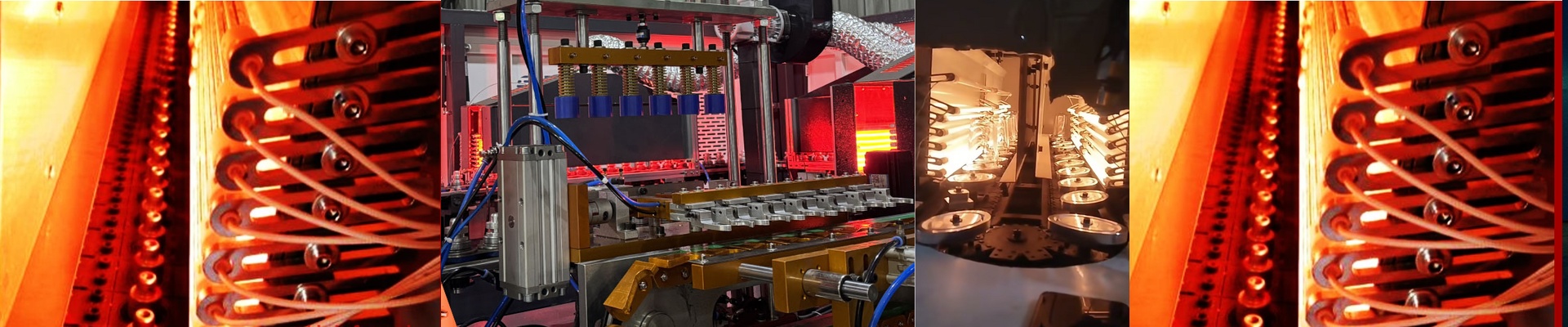
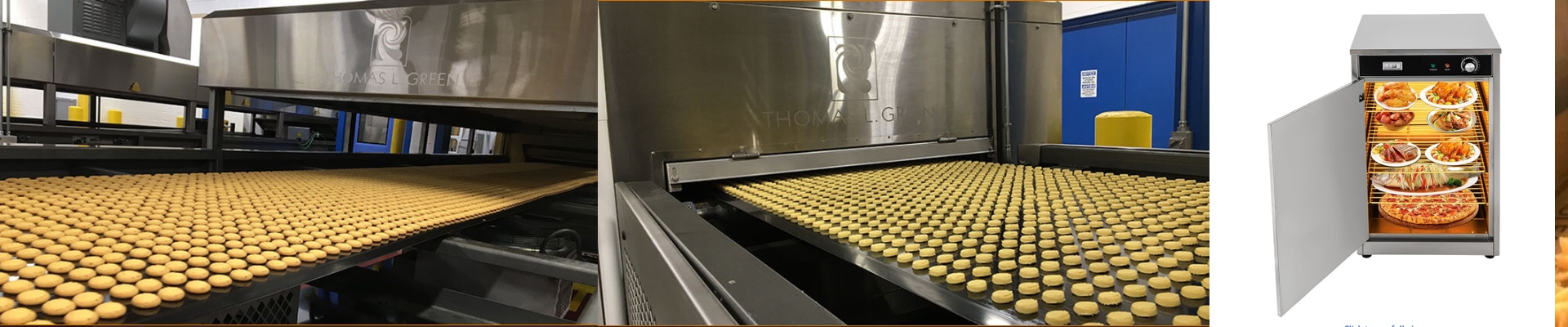
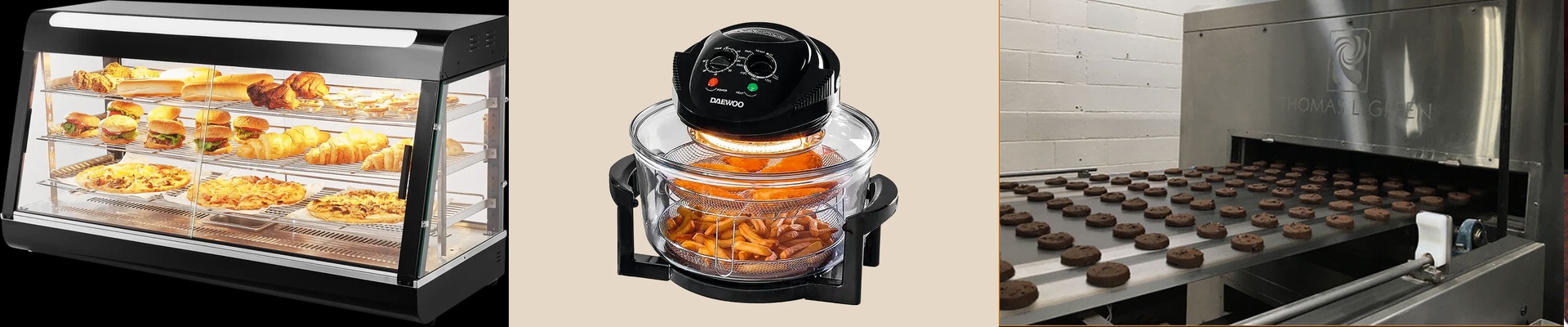
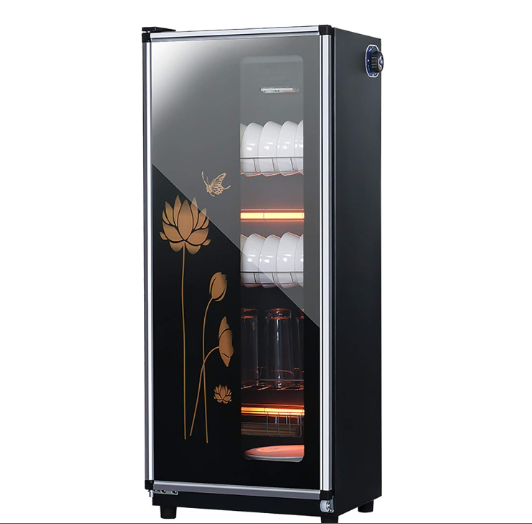
When the line is moving and your snack machine has to deliver the same texture, every time, heat isn’t a guess—it’s a spec you have to hit and hold. Underpowered or drifting elements? They give you uneven browning, wasted product, and a speed ticket you can’t honor when the order stacks up. What matters under the hood We set this 800W heating tube up as a dependable heat source for compact snack machines and small kitchen ovens. The wattage is chosen to balance fast recovery with stable temperature control, so the baking chamber snaps back to setpoint after door openings and loading. In practice, that means less swing between cycles and more consistent crust development. The element geometry is laid out to spread heat evenly across the cavity, evening out the thermal field—so one side of the tray doesn’t run hot while the other lags. Why it holds up on a busy line In high-throughput snack production, heat has to answer quickly. This tube comes up to operating temperature fast, supports short bake windows, and holds steady long enough to keep caramelization and crisp consistent from the first batch to the last. That translates to fewer rejects, fewer reworks, and output you can count on hour to hour. Energy use per bake stays in check because the element recovers efficiently without overshooting, and the stable temperature profile means you don’t have to slow the line down just to “protect” quality. Here’s what to keep in mind Installation is straightforward, but the element has to match the machine’s rated voltage and terminal configuration. Give it clear clearance to surrounding components—airflow and spacing directly affect temperature stability. The outer sheath gets very hot during operation, so proper guarding and heat-resistant mounting materials are a must. Match the thermostat or control profile to the element’s response time, and you’ll get the most repeatable results.