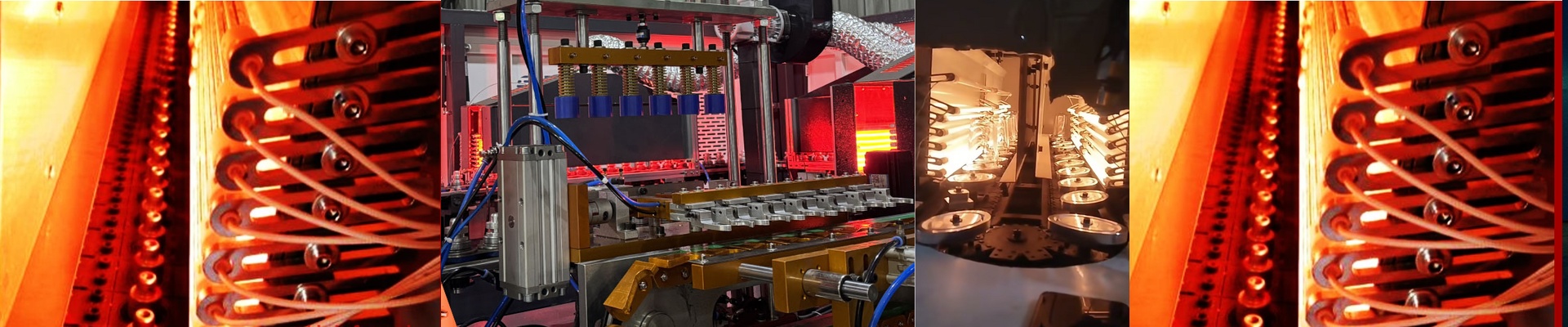
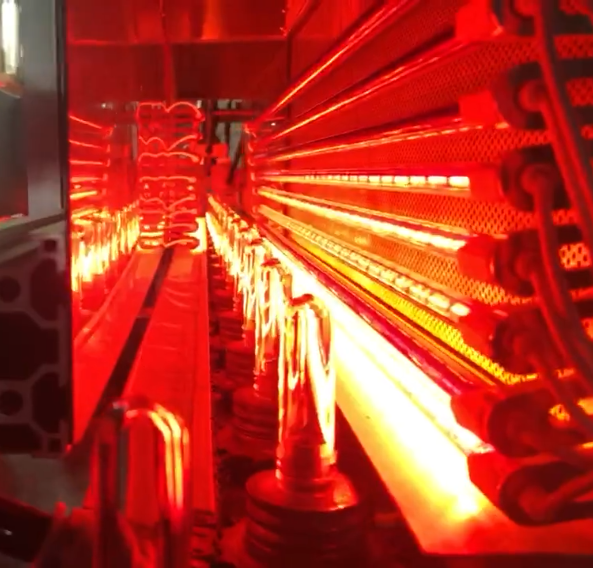
Out on the blow molding floor, heating drift and uneven preform temperatures are the quiet thieves of output. When the heating tunnel starts missing the mark, stretch ratios get sloppy, scrap climbs, and you’re left scrambling just to keep the line running. Swapping in a 3000W quartz heating element puts control back where it belongs—right at the preform wall.
What matters under the hood
This 3000W quartz element is built around the heat profile PET stretch blow molding actually demands. Short-wave infrared gives you fast response, so the heating tunnel hits setpoint quickly and stays there. The quartz tube runs hot and clean, holding stable output through thousands of hours. You get consistent spectral density across the preform body, so you can stay inside the right material temperature window without overheating the neck finish. And fit matters: we match common mounting dimensions and terminations, including R7s-style connections, so the element drops straight into existing sockets without modification.
Why it plays in the real world
Drop this 3000W quartz element into Sidel, Krones, SIPA, Husky, SACMI, and Nissei ASB blow molders, and you shorten the heating window while tightening temperature spread. In practice, that means fewer rejects from off-spec bottles and fewer unplanned stops to recalibrate. Energy use comes down because the emitter heats on demand and cycles more efficiently than older halogen stacks. Many plants see a 12–18% cut in heating-related electricity after the swap. Add in longer service life—often 5,000+ hours with minimal output loss—and you’re cutting replacements and downtime. Over a year, that stacks up to real savings in parts, labor, and scrap.
The practical details
Before you order, confirm your machine’s voltage and socket type. Quartz emitters don’t like mismatched voltage, and terminal temperature has to stay within the socket rating. Plan the replacement during a scheduled stop so you can check alignment and reflector condition. Clean reflectors and the right gap to the preform path keep the heat where it should be. Expect a short warm-up period to retune the recipe, but once it’s set, the heating profile stays steady.