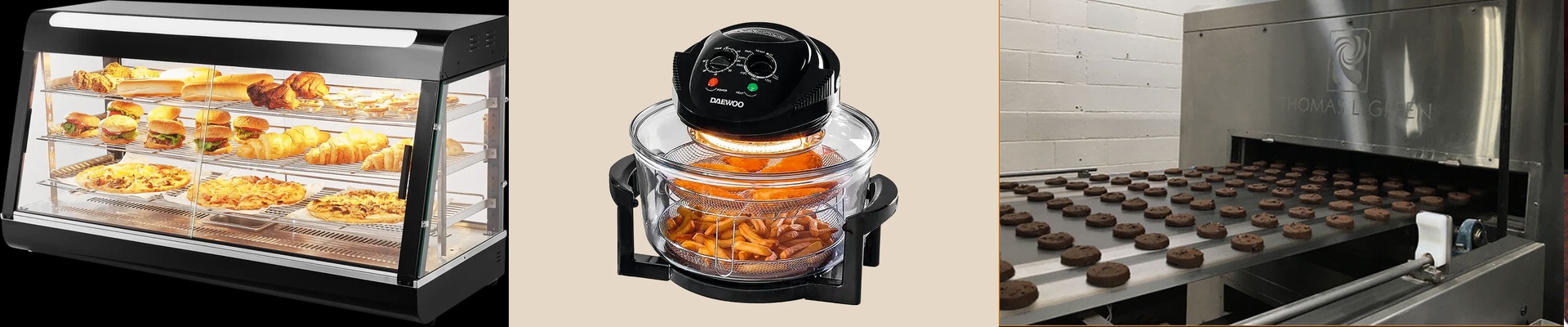
Getting Your Bread Just Right: The Magic of Infrared Heating
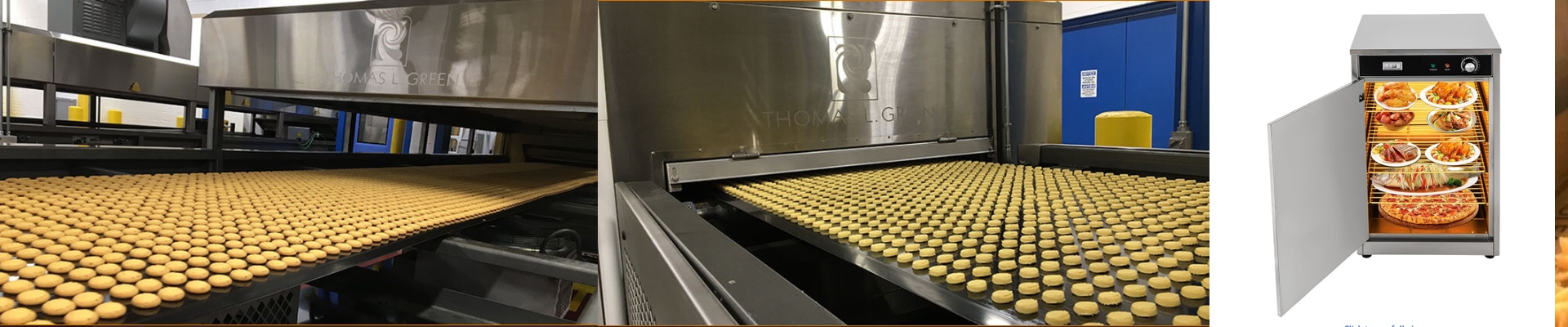
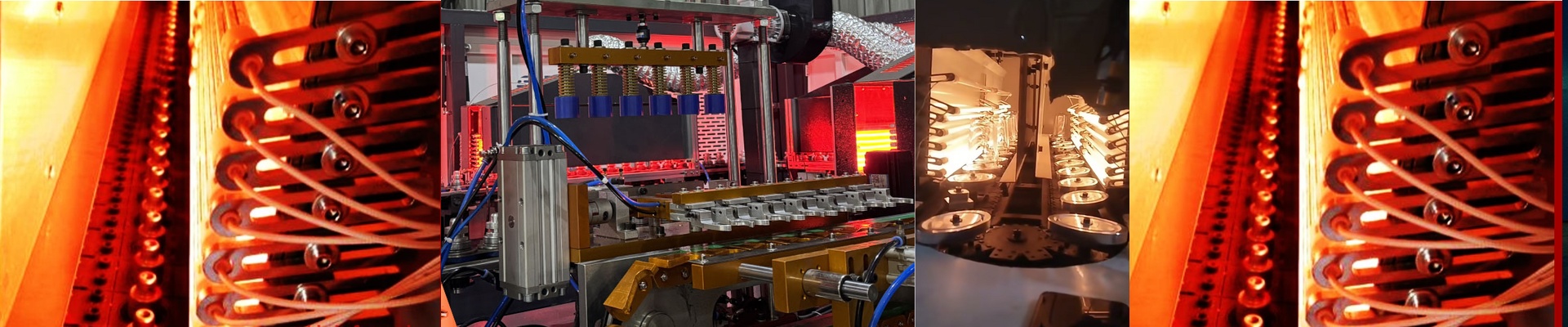
If you’re running an automated bakery, you know the struggle. You need heat that doesn’t just “exist” in the oven, but reacts the second you need it to. That’s where our single-tube infrared lamps come in. Instead of wasting time heating up the air—which is what those old convection ovens do—these tubes beam energy straight into the dough. It’s direct. It’s fast. And it gets the job done without the fluff. The Tech Side (Simplified) Now, to make these lamps actually play nice with your control system, you need a tight connection between your PID controller and the power supply. We usually match the voltage and wattage to the exact size of your oven so you aren’t overpaying for power you don’t need. When you hook these up to a PWM or SCR system, you get real control. You can tweak the temperature on the fly. This is the secret to getting that perfect golden crust without accidentally turning your bread into charcoal. Why Quartz Matters We stick with high-purity quartz for a reason. It heats up and cools down almost instantly. This is huge because it means your oven won’t “overshoot” the temperature you set. But a word of warning: if you’re packing high-wattage tubes into a small space, that heat isintense. Make sure your housing materials can take the hit, or you’ll end up with a warped oven frame, and nobody wants that. Keeping Things Moving Downtime is a nightmare. We’ve all been there—one part breaks and the whole line stops. That’s why we designed these as drop-in replacements. We use standard connectors so you can swap out a burnt-out tube in a flash. Since we use a single-tube setup, you can replace one failed element without having to shut down the entire heating bank. It keeps the bread moving. One last tip: just because you can crank up the wattage doesn’t mean you should. More power means more stress on your electrical breakers. Double-check your amperage ratings before you start adding more tubes to the mix.