SIPA SFR 8 Heater Tube Replacement: The Real Reason It Works
Here’s the question we keep hearing from the shop floor: Can swapping out the infrared heating element really make an older, smaller blow molding machine run faster? The short answer? Yes. And here’s why. The SIPA SFR 8 replacement isn’t just a bulb. It’s a complete thermal system—engineered to drop straight in and get your machine humming again.
What’s Actually Happening Under the Hood
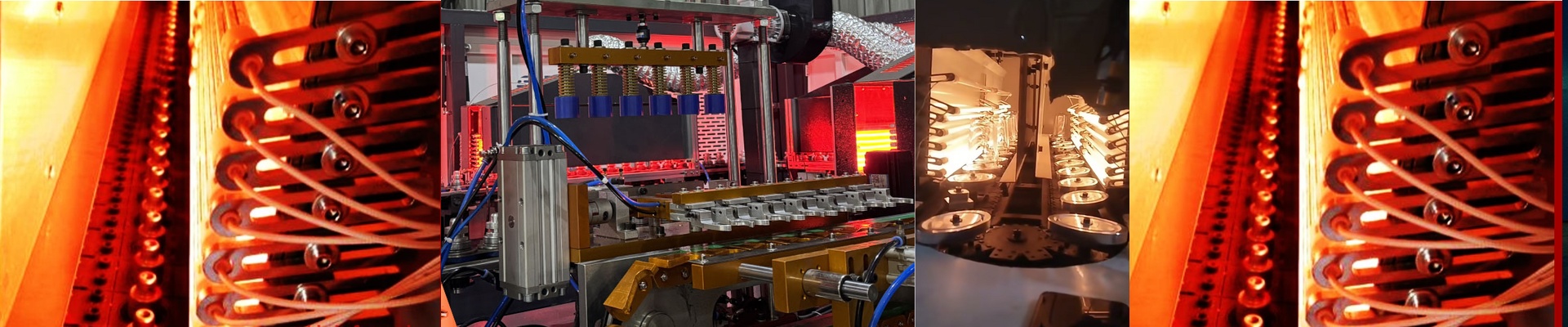
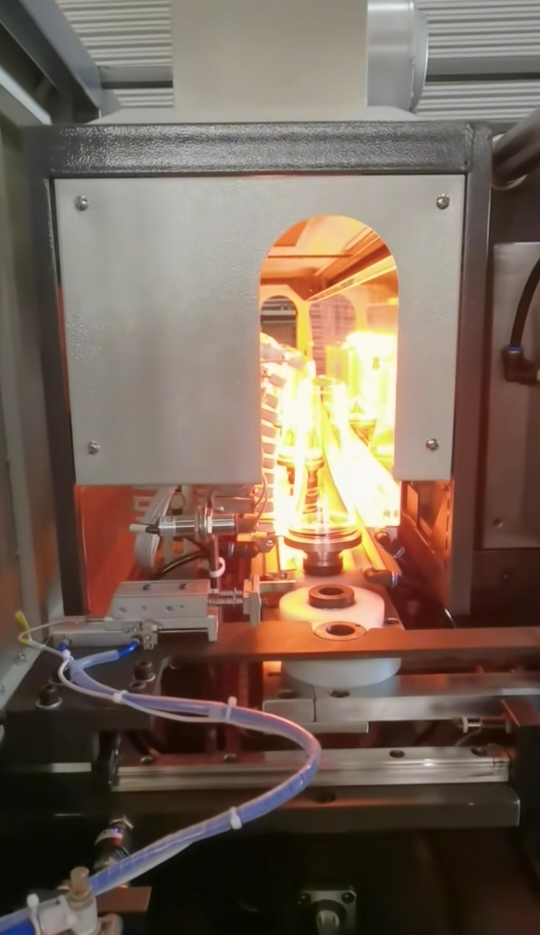
This thing runs on 400V, and that’s intentional. It packs serious power—around 2500W—into a compact 300mm frame. What does that mean for you? It heats up fast. Seriously fast. On older machines, that means the pre-heat phase gets slashed. And when you cut downtime in the cycle, you naturally squeeze out more parts per hour. The fit is exact, too—designed to drop into the original bracket and focus every bit of heat right where the preform needs it.
Built to Take the Heat
At the heart of this unit is a shortwave infrared halogen element, sealed inside a high-purity quartz tube. Quartz was chosen for a reason. It can handle the brutal back-and-forth of rapid heating and cooling without cracking. And that reflective coating? It’s not just for looks. It pushes thermal energy forward, so you’re not wasting heat or stressing the internal wiring. The R7s connector keeps things simple. It’s a tough, two-pin setup that makes wiring clean and quick—no messing around with the socket. It really is a plug-and-play replacement.
The Payoff on the Line
This upgrade shines when you’re working with PET blow molding. The shortwave halogen tube delivers high heat density, which means it heats the preform surface evenly and quickly. That translates to better bottle quality and fewer inconsistencies. But there’s one thing to keep in mind. All that power demands solid cooling. If your machine’s cooling system is weak, the area around the heater will get too hot, and that will shorten the tube’s lifespan. For engineers, the SIPA SFR 8 is a smart, practical move. It breathes modern heating physics into an older machine, giving you faster cycles and tighter thermal control—just as long as the rest of your setup is up to the task.