


Stop the Bathroom Mold Battle with a Little Bit of Science
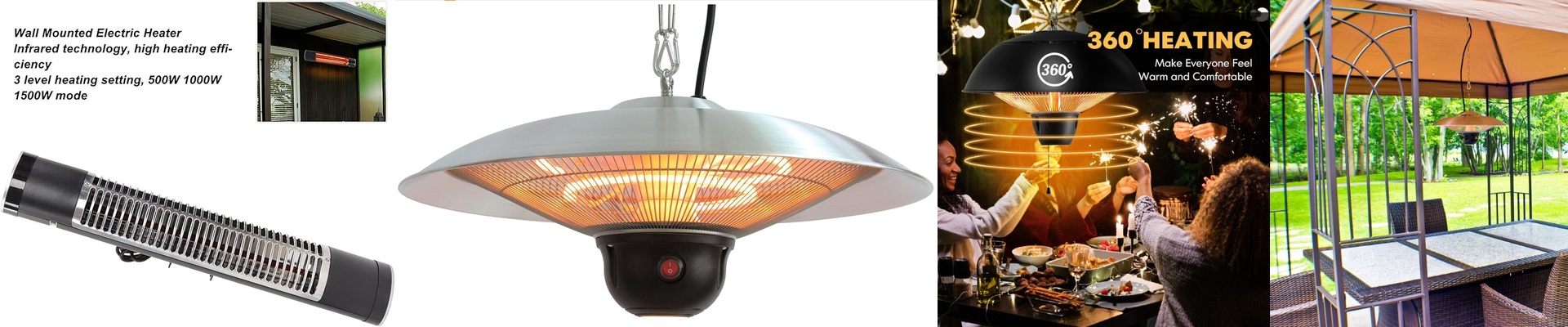
Most people think of those infrared bathroom lamps as just a way to stop shivering when you step out of the shower. But if you look under the hood, they’re doing something way more useful than just warming your skin. They’re actually fighting a war against mold. Here’s the thing about regular heaters: they just warm up the air. The problem is that the air gets warm, but your walls stay cold. That’s how you get condensation—that annoying “sweating” on the tiles—which is basically a luxury resort for mold spores. We do things differently. We use short-wave infrared. Instead of fussing with the air, these waves go straight for the surfaces. They hit the tiles and the grout directly, heating them up and pushing the moisture away. It shifts the dew point, meaning the water evaporates before it even has a chance to settle. It’s all about the moisture film. Mold is picky; it needs a surface humidity of at least 60% to actually move in and start growing. When you flip on a high-wattage infrared array, you’re essentially dehydrating the room. You aren’t just getting a cozy glow; you’re stripping the mold of the one thing it needs to survive. But you can’t just throw these into any old light fixture and call it a day. These lamps gethot. Really hot. If you mount them too close to cheap PVC trim or plastic vents, you’re going to end up with melted plastic. You’ve got to make sure the housing can actually handle the heat. Plus, placement is everything. You want to angle them so the heat hits the corners—those damp, dark spots where mold loves to hide. It’s a bit of a balancing act between getting enough heat in the right spots without warping your ceiling.