Stop Waiting for Your Steam Oven to Heat Up
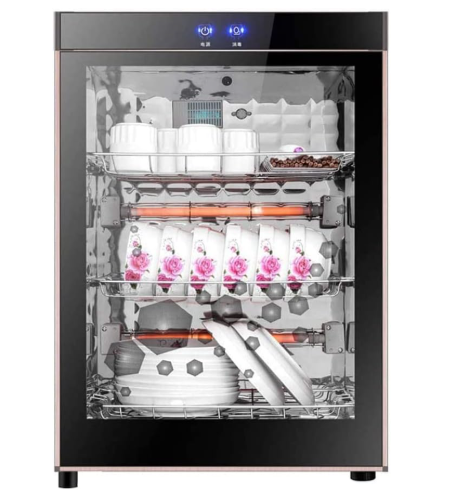
Ever notice how a steam oven just seems to lose its cool the second you open the door? You load in your cold product, the temperature tanks, and then you’re just… waiting. Relying on steam or convection to bring the heat back up takes forever. It kills your rhythm and slows down the whole production line. To fix this, we started adding shortwave infrared (IR) bulbs into the mix. Think of them as a “turbo boost” for your thermal cycle.
Why IR actually works
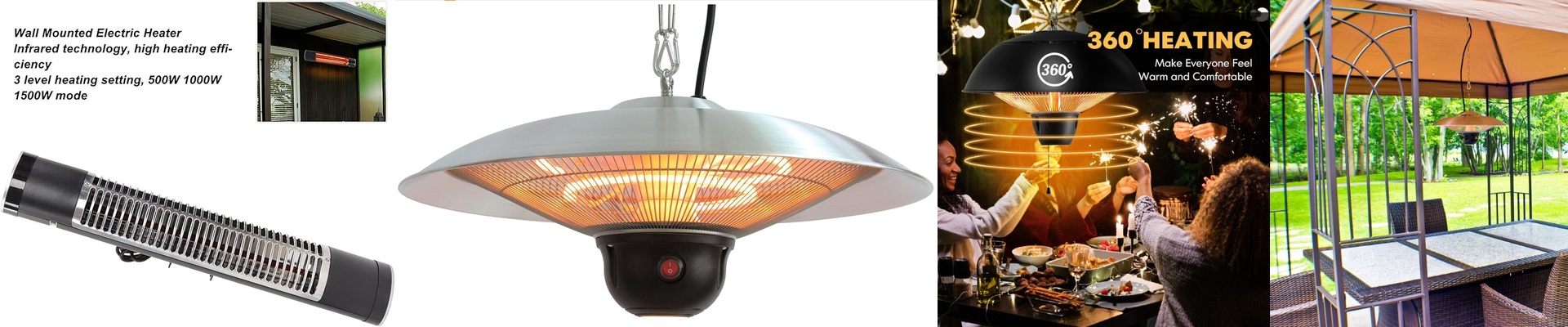
Here’s the thing: steam has to warm up the air first. IR doesn’t bother with that. It uses radiation, so the heat hits the surface of your product instantly. By wiring these lamps into the control loop, you can trigger a massive burst of energy right at the start. It wipes out that annoying “dead time” where you’re just standing around waiting for the oven to catch up. It’s fast. Really fast.
The gear you’ll actually need
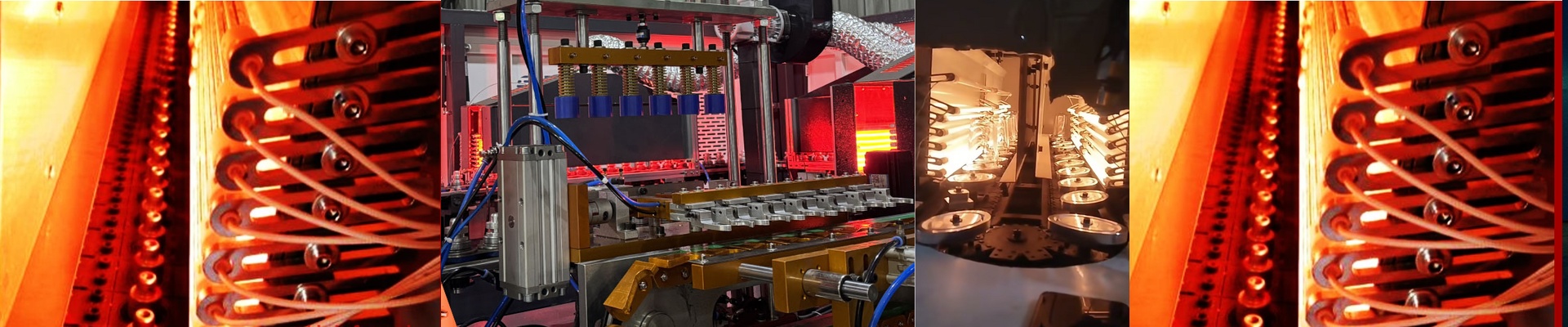
We usually go with quartz-halogen tubes. Quartz is great because it can handle crazy high temperatures without warping. The halogen part keeps the filament from wearing out too quickly, so you aren’t replacing bulbs every other week. Depending on the size of your oven, you’ll probably want R7s or SK15 connectors. They stay put and don’t rattle loose when the machine is humming. But a word of caution: watch your wattage. If you go too powerful without leaving enough space, you’ll scorch the outside of your food before the middle even gets warm. It’s a balancing act.
A few things to watch out for
Adding IR lamps isn’t a magic wand. You’re putting a high-heat light bulb into a wet, steamy box. Make sure your sockets are rated for high humidity, or you’re going to be dealing with shorts and blown fuses. Also, remember that IR travels in a straight line. If your trays are stacked in a way that blocks the light, the heat won’t reach the target. You’ve got to position the tubes carefully to make sure there are no cold spots left behind.