Stop Letting Your Oven Slow You Down: The Case for Custom IR Modules
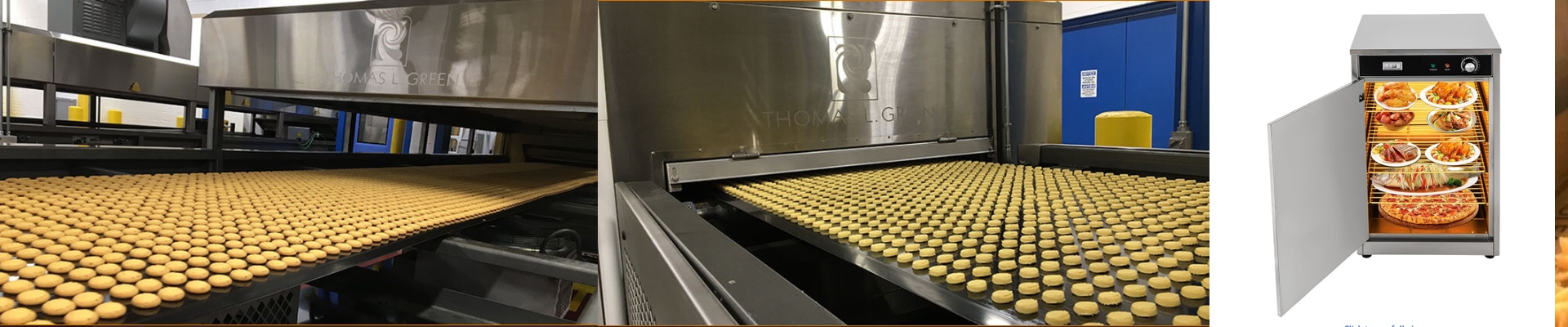
If you’ve spent any time around deck ovens, you know the frustration. You load a fresh batch of cold product in, and suddenly your temperature tanking. You’re stuck waiting for those old-school resistive coils or convection fans to catch up. It’s a drag. When you’re trying to speed up your line, those standard heating elements aren’t just slow—they’re the bottleneck.
Why Custom IR Actually Works
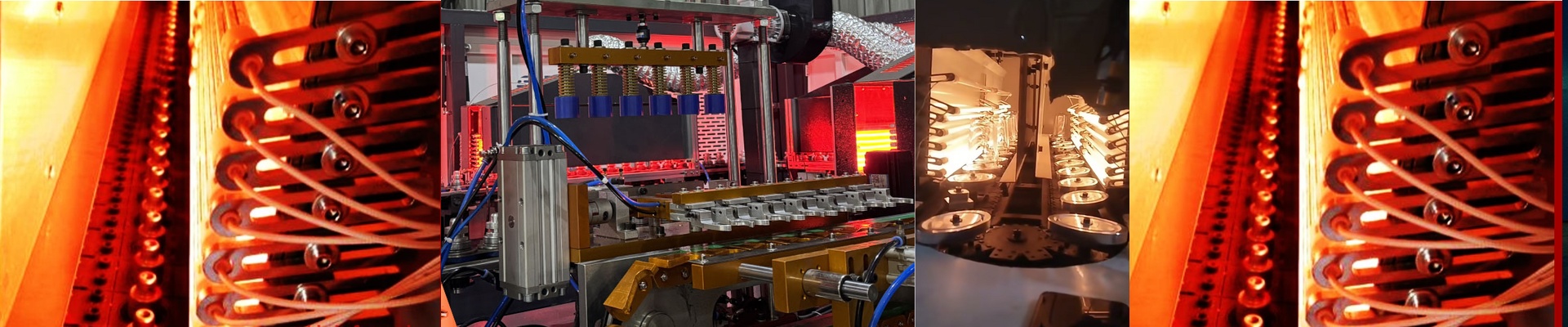
Here is the secret: stop trying to heat the air and start heating the food. With a custom infrared (IR) module, we can tweak the wavelength to match exactly what your food needs to absorb. Need the heat to sink deep into the dough? We go with short-wave. Just want a perfect, crisp surface? Medium-wave is your best bet. Plus, we can fix those annoying “cold spots.” You know the ones—where the airflow gets blocked and your product comes out uneven. We just crank up the power density in those specific zones. You get a consistent bake across the board without having to slow your conveyor to a crawl.
The Real-World Trade-offs
Now, it’s not just a “plug and play” situation. You have to look at your electrical setup. If you’re pushing more wattage to kill those cycle times, your wiring and power supply need to be able to handle the extra current. If you just shove a high-output module into a low-amp circuit, you’re going to smell smoke. Not a good look. We usually use quartz envelopes or ceramic coatings because they can take a beating in a humid oven. But there’s a catch: the hotter the density, the more brittle the element gets. To keep things from cracking when the machines kick on, you’ll want a rock-solid mounting bracket to kill the vibration.
What This Does for Your Speed
The best part? The lag is gone. You get heat almost instantly. That means you can tighten the gap between your loads and shave minutes off your bake time. You get a faster line, but your product still hits the exact internal temperature it needs. It just works better.