Why we swapped convection for ceramic infrared
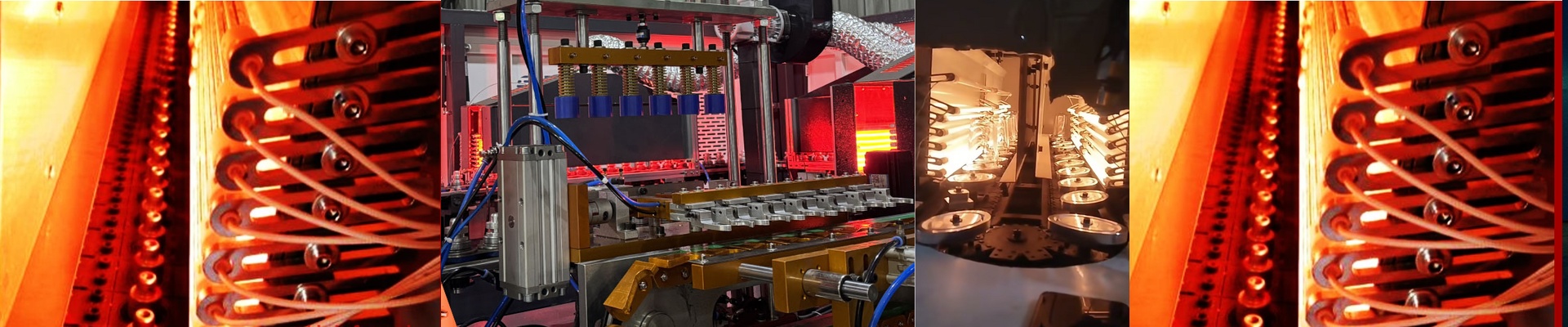
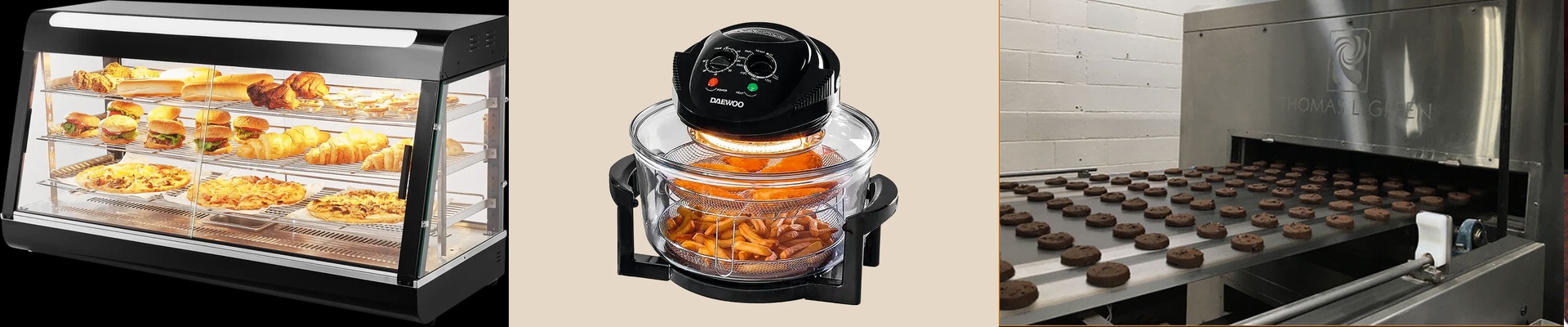
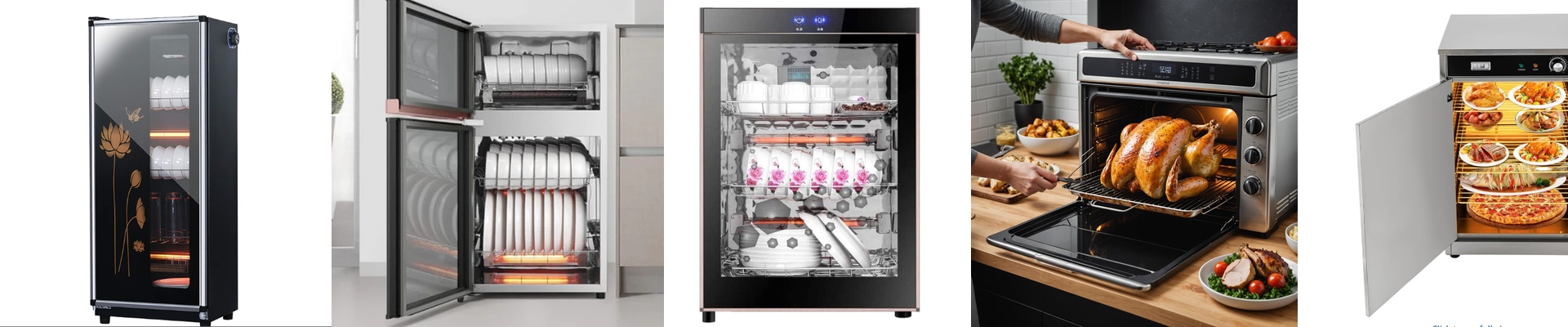
Most pizza ovens just heat up the air and hope for the best. The problem is, air is a lousy conductor. It takes forever. We decided to stop messing around with the air and go straight for the food. By using ceramic infrared heaters, the energy hits the pizza directly. The result? We knocked the bake time down from five minutes to just 90 seconds. That’s a massive difference when you’ve got a line out the door.
The secret to the heat
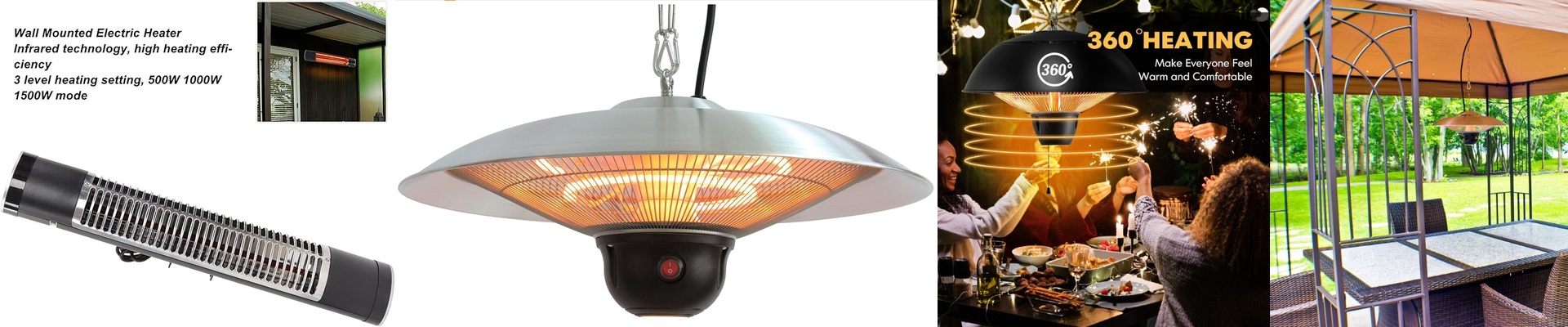
Think of it like the sun. You don’t feel the air around you getting hot when you step outside; you feel the rays hitting your skin. That’s exactly what these ceramic blocks do. They blast the crust and toppings with radiant energy. Your cheese melts faster, and the crust sets instantly. Plus, these heaters are incredibly dense. You can pack a ton of power into a tiny space. Since the heat is pointed exactly where it needs to go, you aren’t wasting electricity heating up the steel walls of your oven.
Fitting them into your kitchen
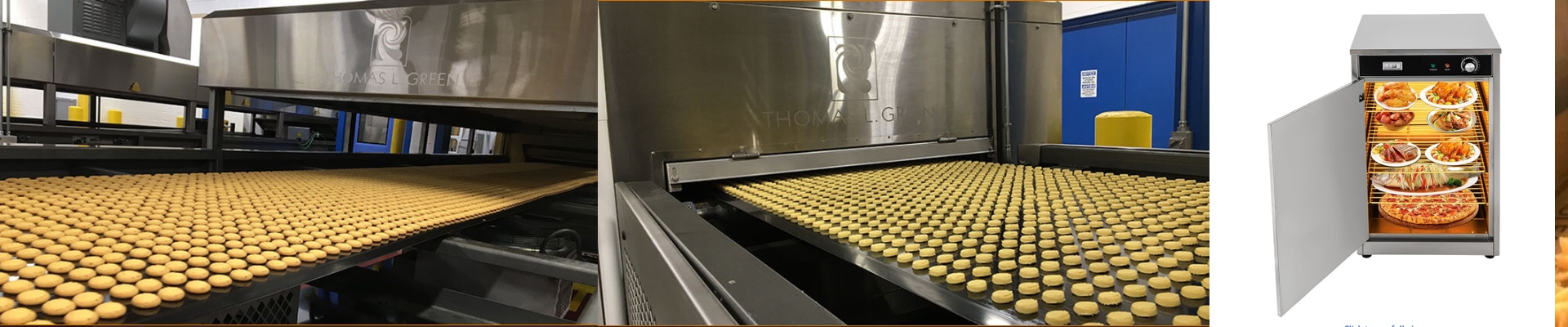
The heaters are housed in ceramic, which keeps the internal wiring safe and stops the units from warping under the brutal heat of a commercial kitchen. If you already have convection tunnels, you can usually just drop these in. But a word of warning: you’ll need to speed up your conveyor. If you leave the pizzas in for as long as you used to, you’re going to end up with charcoal.
A few things to watch out for
It’s not all magic; there are a few trade-offs. Because infrared is so aggressive, it can be too fast. If you crank the wattage too high, you’ll burn the pepperoni before the dough in the middle even thinks about cooking. You have to find that sweet spot between the heat coming from the top and the temperature of the bottom deck. Also, check your electrical panel. These heaters pull a lot more power the second they kick on compared to old-school coils. If your wiring is thin, you’re going to be tripping breakers during the morning ramp-up. Make sure your power can handle the load before you flip the switch.