Fixing the Heat Problem in Multi-Deck Ovens
If you’ve ever used a multi-deck oven, you know the struggle. Heat rises. It’s just physics. You end up with top decks that are scorching hot and bottom trays that feel like they’re barely warming up. It’s frustrating, and it ruins your consistency. The fix? Stop relying entirely on bulk convection. Instead, we bring in independent infrared (IR) heating lamps for every single layer.
Giving Every Deck Its Own Brain
Think of IR lamps as a way to treat every deck like its own private oven. Standard heating elements just warm up the air, which is slow and uneven. IR lamps are different. They shoot energy straight into the food. By pairing each deck with its own thermocouple and PID controller, you can dial in the exact wattage for that specific level. No more cranking up the heat for the whole oven just to save the bottom tray. You just set it and forget it.
The Nitty-Gritty on Hardware
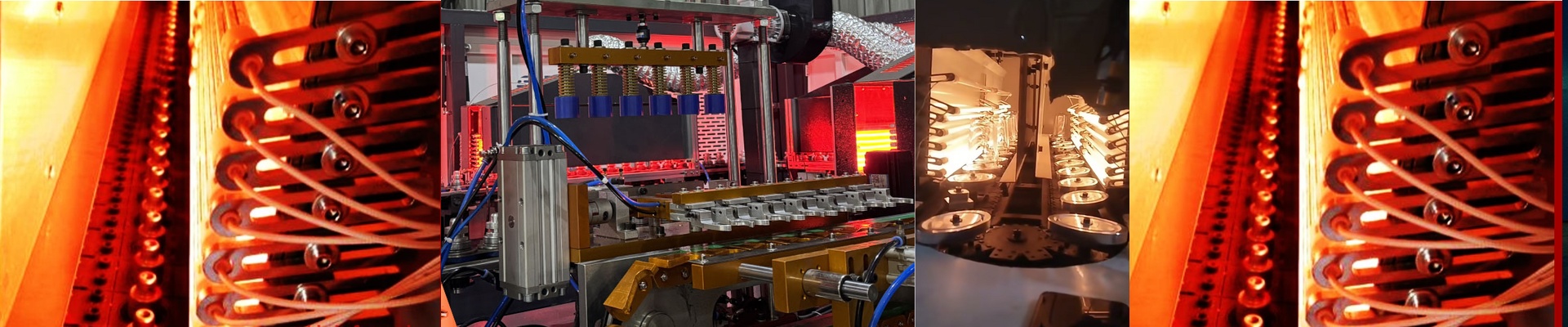
We usually go with short-wave quartz tubes. These are great because the heat actually sinks deep into the food. You get a hot core without turning your crust into a charcoal brick. But here is a tip:don’t overdo the wattage. It’s tempting to pack in as much power as possible, but if you do, you’ll burn the outside of your bread before the middle even thinks about cooking. You have to match the lamp to the size of your deck. One more thing—quartz is tough with heat, but it’s fragile. If your mounting brackets are too tight, the tube will snap as it expands. Give it some room to breathe.
The Reality Check
Now, this isn’t a “set it and forget it” miracle. You’re in a bakery. There’s flour dust and grease everywhere. Over time, that gunk builds up on the quartz tubes. When they get dirty, they don’t put out as much heat. You’ll need to get into the habit of wiping them down regularly to keep things running smooth. Also, keep an eye on your power. These IR arrays pull a lot of current. Check your wiring and panels before you flip the switch, or you’ll be spending your morning resetting breakers.