Why Quartz is a Secret Weapon for Bakery Ovens
In the baking world, a single degree is a big deal. Just 1°C can be the difference between a perfect, golden-brown crust and something that looks… off. It messes with the Maillard reaction, which is just a fancy way of saying it ruins your color and the feel of the crumb. That’s why we rely on high-purity quartz tubes. They aren’t just heating elements; they act like a thermal anchor, keeping the oven steady even when you’re swinging the doors open and shutting them during a busy loading cycle.
The Magic of Quartz
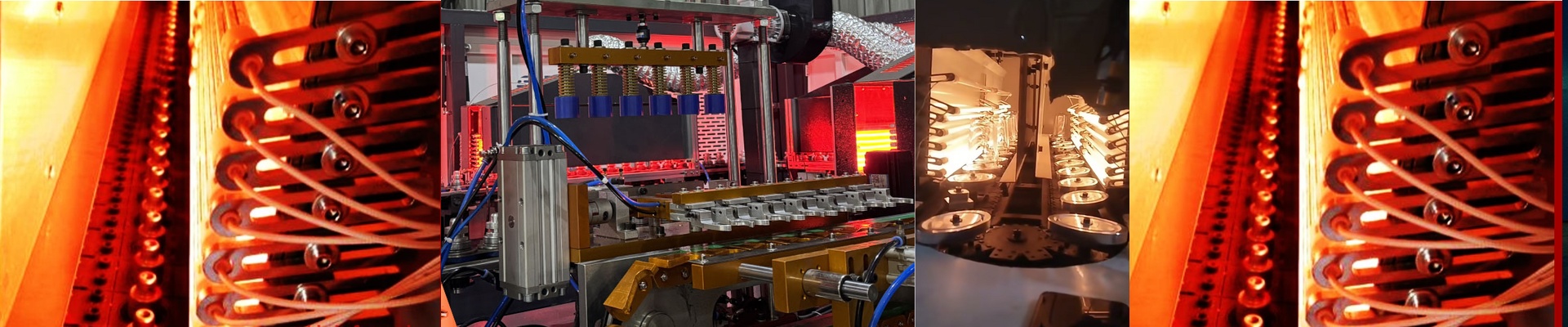
We go with quartz for a reason. It handles heat without warping, and it lets infrared light pass right through. Unlike metal heaters, quartz sends out short-wave radiation. Think of it like this: the heat dives deep into the dough immediately. You don’t get that annoying “skinning” effect where the outside is burnt to a crisp while the middle is still raw. Plus, since quartz doesn’t hold onto a ton of excess heat, it reacts instantly. When your sensors hit the target temperature, the heat stops. No overshoot. No guessing. Just fast, clean control.
The Nitty-Gritty of the Build
Of course, you can’t just use any glass. This stuff is engineered to take a beating from extreme temperature swings. We reinforce the ends so the tubes don’t crack when they expand during a bake. The purity of the silica is where the real value is. The cleaner the quartz, the less energy is wasted heating up the tube itself and the more heat actually hits your bread. One big warning, though: keep them clean. If flour dust or grease builds up on the surface, you get hotspots. Those hotspots stress the glass. Eventually? The tube burns out. It’s a simple fix, but it’s the quickest way to kill your equipment if you ignore it.
Making it Work in the Real World
Installing these takes a bit of a steady hand. If a tube sags, your heat distribution goes sideways, and you’ll end up with some loaves that are overdone and others that are under. Here’s the trade-off: quartz is incredibly precise, but it’s fragile. It’s glass, after all. You can’t have your team bumping into them during a frantic cleaning shift. That’s why we build the oven frames to be rock solid. You need a rigid support system so the tubes can do their job without taking a beating during the daily grind.