Getting the Heat Right: A Real Talk on Stainless Steel IR Tubes
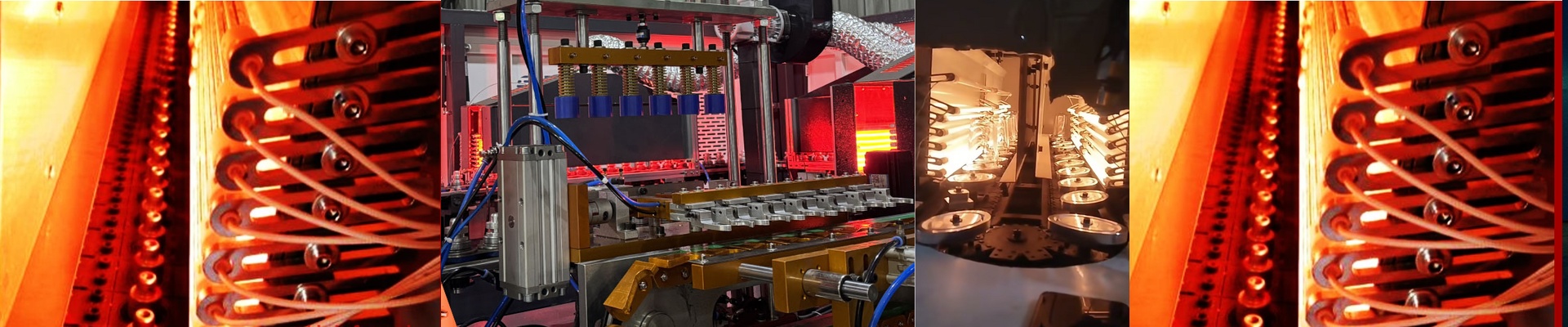
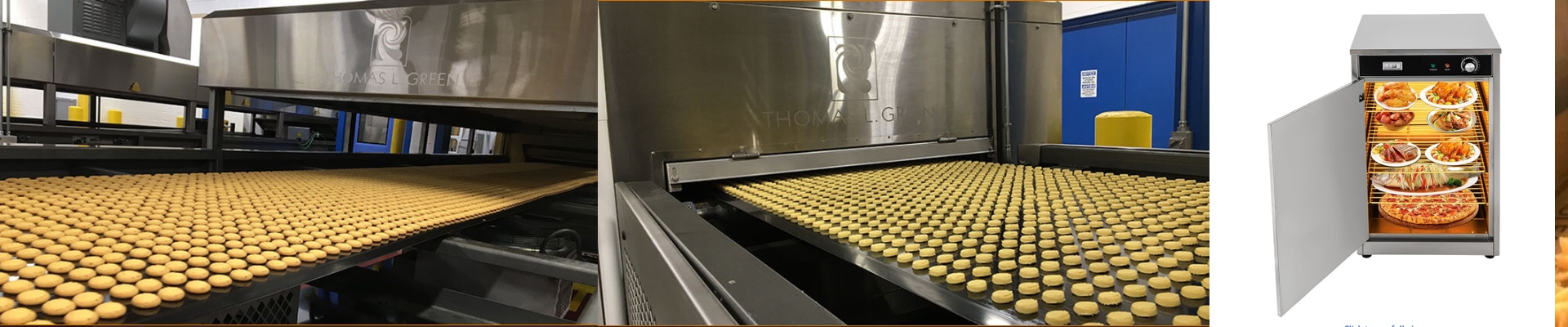
Anyone who’s spent time in a professional bakery knows the struggle. You’re fighting for that perfect window where the crust gets that golden glow, but the middle is actually cooked through. If you’re off by just a few degrees, you’ve got scorched tops and raw centers. Total nightmare. That’s why we went with stainless steel infrared tubes. Look, quartz is fine for some things, but in a real kitchen? It’s a magnet for flour dust and grease. That gunk builds up, the tube overheats, and then—pop—it burns out right in the middle of a rush. The stainless cladding acts like a shield, keeping the heating element safe from the chaos of a working bakery. The trick to steady heat Getting the temperature to stay put isn’t magic; it’s just about how the tube and the PID controller talk to each other. We actually put our tubes head-to-head against the big international brands to see if there was a real difference. The result? When you pair these with a high-frequency SSR, the temperature barely budges—we’re talking a variance of about ±1°C. It stops that annoying “swing” where the oven overshoots the mark and ruins a whole tray of delicate pastries. Power vs. Patience Because we use a high-grade stainless sheath around the emitter, we can pack more heat into every inch. This means your oven ramps up to temperature fast. But here is the thing: steel has mass. Unlike a bare quartz lamp that reacts instantly, these tubes have a tiny bit of thermal lag. They take a few extra seconds to cool down after the power cuts. You’ll just need to tweak your PID settings to account for that lag so you don’t accidentally overshoot your target. Setting them up We made these as drop-in replacements. No one wants to spend their weekend welding new brackets, so we kept the dimensions standard. They should slide right into your existing footprint. One quick tip: check your wiring. When these things first kick on, there’s a peak current draw. If your voltage dips during that initial surge, your heat output drops, and your throughput tanks. Just keep the contacts clean and the terminals tight, and you’re good to go.