Getting the Heat Right in Automated Bakeries
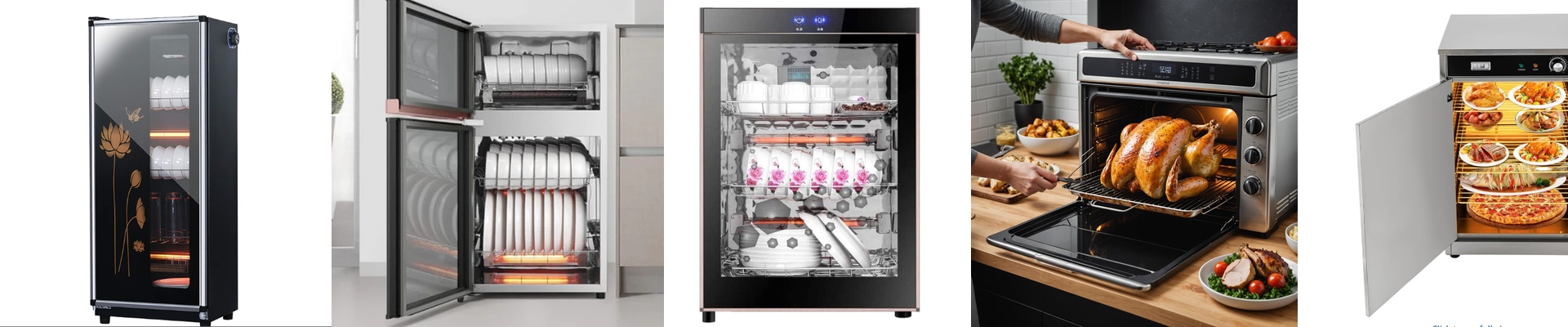
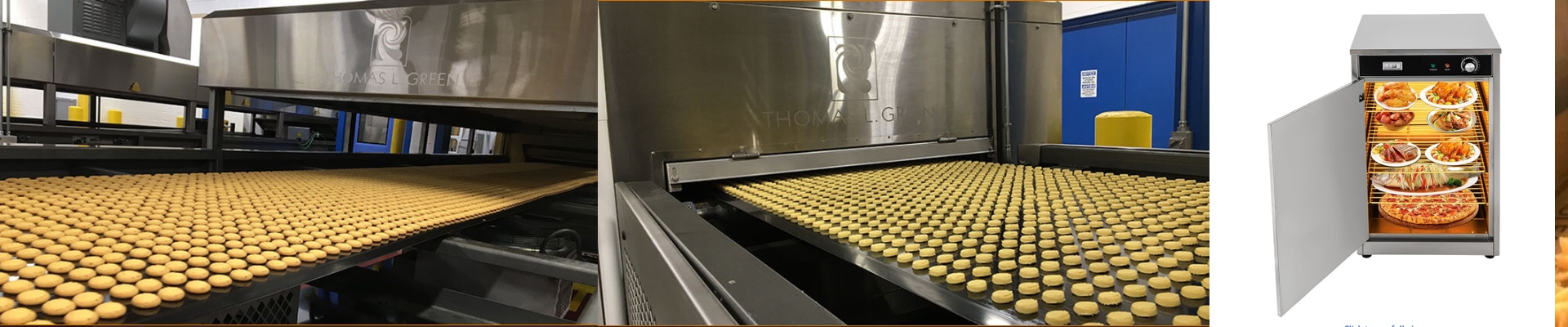
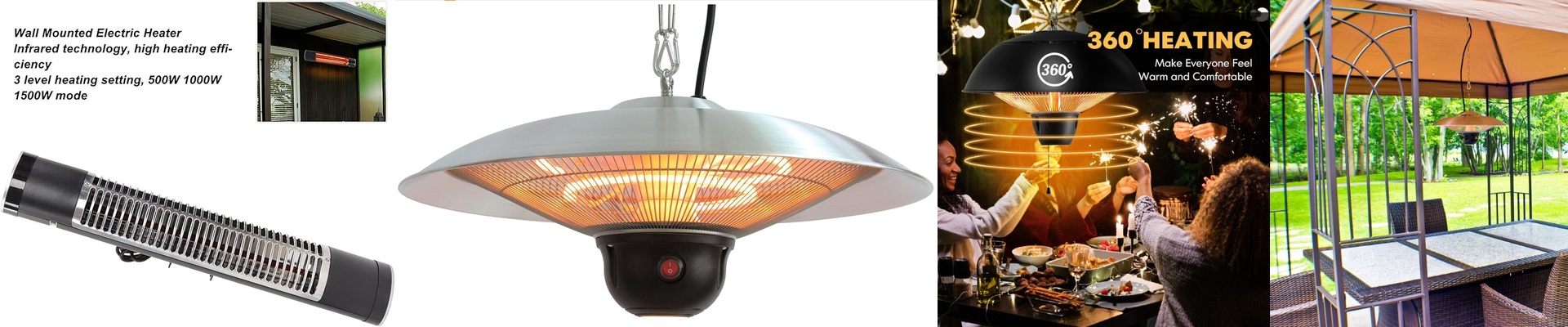
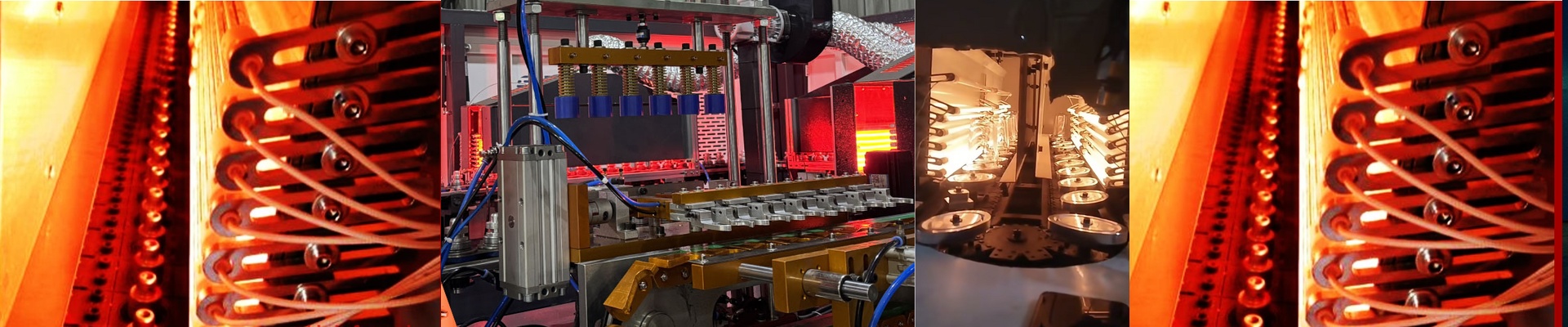
If you’re running an automated kitchen, you know the struggle. You need your heating elements to listen to your PLC commands now, not in five minutes. That’s why we lean on short-wave infrared (IR) lamps for our bakery ovens. Think of it this way: convection is like waiting for a room to warm up. IR is more like stepping into the sun. It hits the food surface directly. No more wasting time on long preheats or worrying that your batch is over-baking while the oven tries to cool down. The secret to that perfect temperature To actually control this, you’ll want to pair these lamps with a PID controller and a Solid State Relay (SSR). Here’s the cool part: IR lamps have very little “thermal mass.” In plain English? They don’t hold onto heat once the power is gone. The second your sensor hits the target and the SSR cuts the juice, the heat stops. It’s almost instant. You don’t get that annoying “overshoot” where the oven keeps cooking your bread even after it’s supposed to stop. Building it to fit your space We don’t do one-size-fits-all. We build these heaters to fit your specific oven footprint. Whether you’re running 230V or 400V, we just look at the wattage per centimeter to get the heat density exactly where you need it. We use high-purity quartz glass so the IR light actually gets through. And for the bakery crowd, we often add special coatings. This helps you get that golden-brown crust without accidentally turning the inside of your pastry into a brick. As for the wiring, you’ve got options. R7s connectors are great if you want something you can just pop in and replace quickly. If your environment has a lot of vibration, go with the Sk15—it holds up much better. A few things to watch out for High-wattage tubes are powerful. They move a lot of product, which is great for your bottom line, but they’re thirsty for power. Just make sure your cable gauges can handle the current. You don’t want voltage drops messing with your consistency. One last thing: quartz is fragile. It’s glass, after all. We always suggest putting them in protective cages. Trust me, when the daily cleaning crew comes through, you’ll be glad you did.