
Making PET Blow Molding Lamps Actually Work With Your Gear
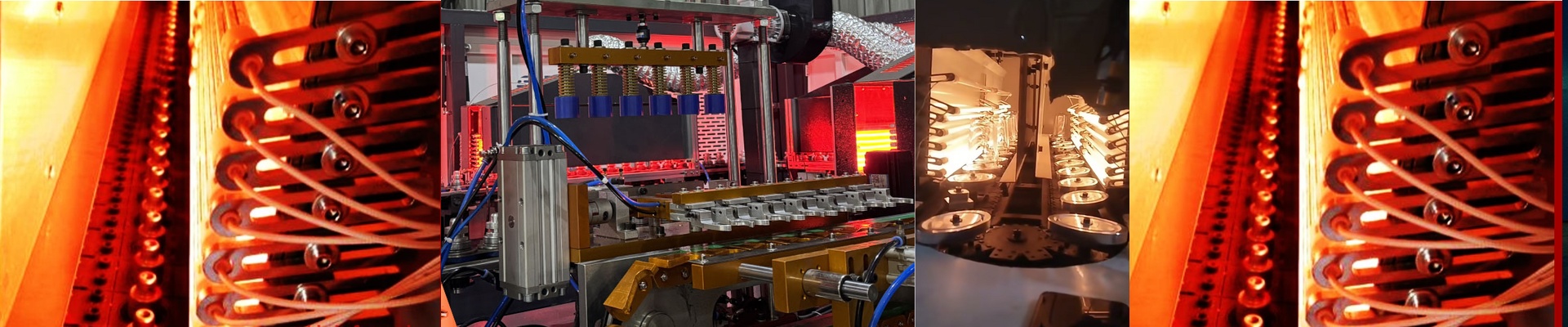
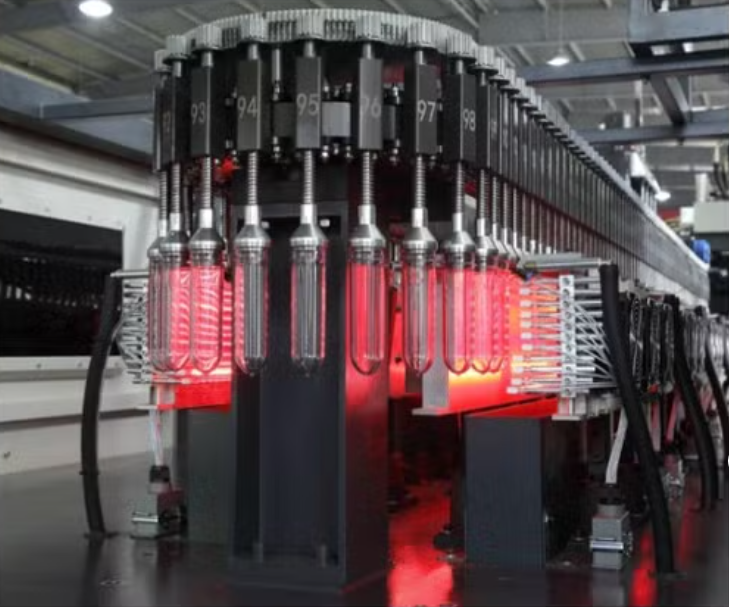
Let’s be honest: most PET blow molding machines are a headache when it comes to lamps. There’s no real “standard.” You end up juggling different voltages and weird lengths depending on which brand you bought. It’s a mess. We got tired of that, so we went back to the basics of infrared physics to build something that just fits. The thinking behind the specs We wanted to cover about 95% of the machines out there. To do that, we stuck to the big three voltage brackets: 110V, 220V, and 400V. If you’re dealing with those thick-walled preforms, the 400V high-wattage tubes are your best bet—they pack the heat density you actually need. We also obsessed over the sizing. Whether you need 200mm or 300mm, the tolerances are tiny. The goal? You slide the lamp in, it fits, and you get back to work. No hacking away at your oven rack. Tough materials, simple plugs Inside an oven, things get brutal. That’s why we use heavy-wall quartz glass. It can handle the wild temperature swings without cracking. For the connections, we use R7s and Sk15. They aren’t fancy, but they’re the industry workhorses. You can wire them up fast without hunting for some obscure custom adapter. We also added a specific coating to the quartz. It tweaks the light so it hits the “sweet spot” of the PET resin. Instead of just scorching the surface, the heat actually sinks into the plastic. A few things to keep in mind These lamps are built for high-output cycles. You’ll notice faster preheat times and less wasted energy per bottle. It’s a win. But here’s the catch: those 2500W tubes put out a massive amount of heat. If your cooling fans are clogged with dust or just too weak, you’re going to fry your sockets. Keep your airflow clear, and your lamps will last much longer. And because we know how it goes when a lamp pops right in the middle of a shift, we keep these in bulk. No waiting weeks for a custom order while your line sits idle.