

Getting Your PET Preform Heating Right: SBO and Contiform Lamp Tips
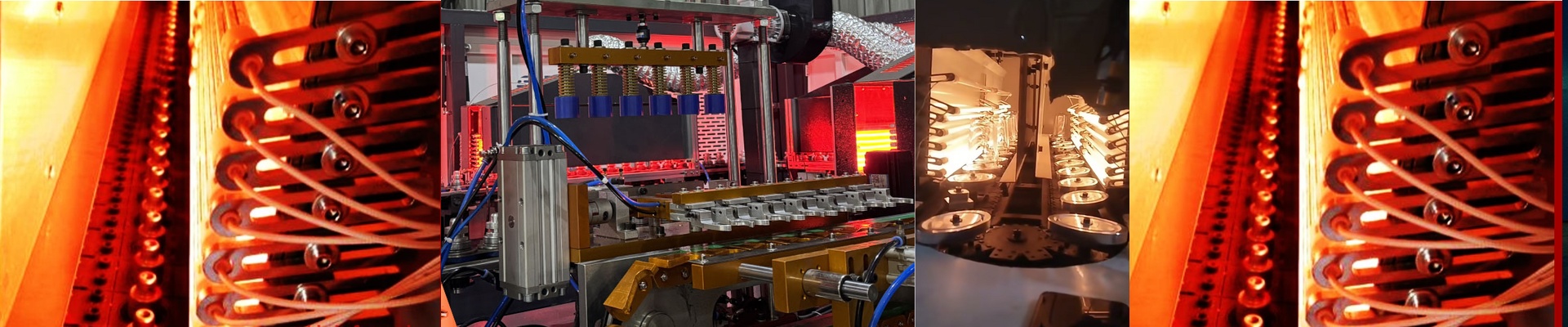
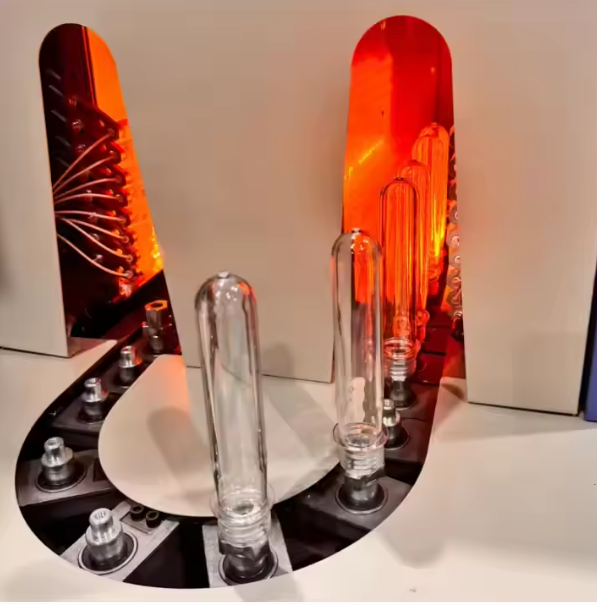
Running a PET blowing line is basically one big balancing act. You’re constantly juggling how much heat you’re pumping into the plastic versus how long your lamps actually last. When you’re swapping out bulbs in an SBO Series 2 or a Krones Contiform, remember that you aren’t just changing a lightbulb. You’re tweaking the entire thermal profile of your preform. Get it wrong, and you’ll see it in the bottles. The Voltage Game These machines rely on high-wattage shortwave infrared lamps. We make sure our tubes match the OEM voltage and wattage exactly. Why? Because if you don’t, things go south quickly. Drop the wattage a bit, and you’ll end up with uneven wall thickness—basically, some spots are thin and others are thick. Push the voltage too high? You’ll burn out the filament way sooner than you should. It’s all about that heat density. A 400V setup is great because it keeps the footprint small but still delivers the massive punch of energy needed to hit the glass transition temperature fast. Glass and Fit We use heavy-wall quartz glass. It has to be tough to handle the thermal shock when you’re cranking the machine up or shutting it down. As for the fit, most of these use R7s or Sk15 connectors. They’re simple drop-in replacements. You just slide them into the sockets and you’re good to go—no need to mess around with rewiring the whole oven. Some of these lamps have a special coating to bounce heat back toward the preform. It saves energy, which is great, but it also makes the inside of the tube run hotter. Just make sure your oven ventilation is clear. If it’s clogged, you might actually cook your own wiring. The Reality of the Wear and Tear These lamps are built for speed. They ramp up fast, which is exactly what you need for high-speed production. But here’s the catch: those filaments take a beating. High-output shortwave lamps just aren’t designed to live forever. You can squeeze a bit more life out of them by avoiding constant power cycles, but at the end of the day, the physics of halogen evaporation mean these are consumables. My advice? Keep a stash of replacements on the shelf. The last thing you want is a line shutdown during a midnight shift change because a lamp popped.