Making Your PET Blowing Heaters Actually Work (Regardless of the Brand)
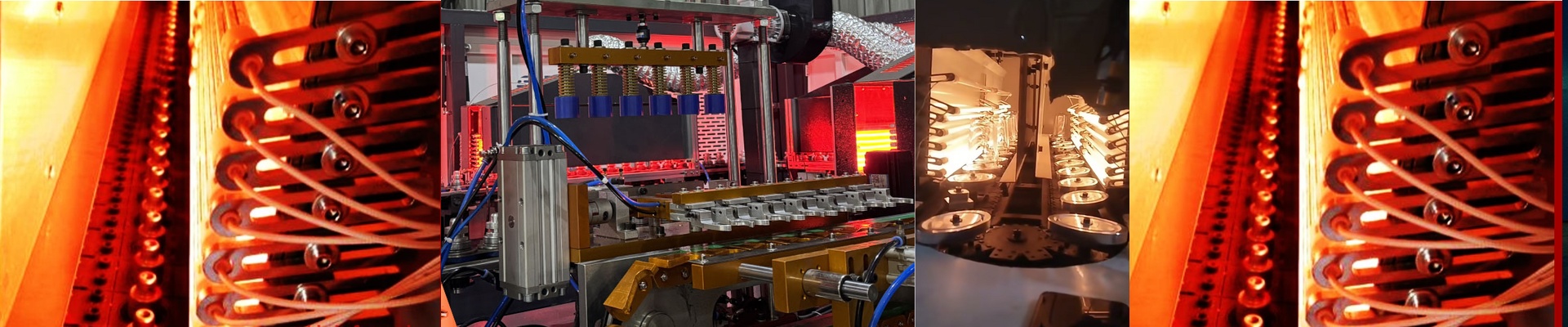
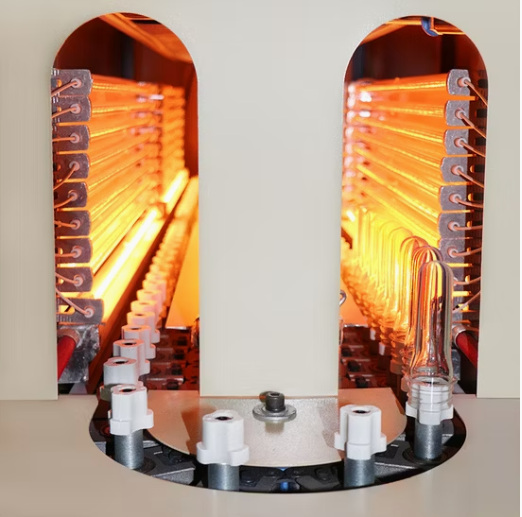
Whether you’re running a SIPA system or something else, the goal is the same: get those preforms soft enough to blow without a headache. Most of these machines use shortwave infrared lamps to do the heavy lifting. We decided to stop obsessing over brand names and focus on what actually matters—the physical size and the electrical load. That’s how we managed to make replacement heaters that fit over 95% of the machines out there. The deal with power and voltage Industrial ovens are demanding. We build our lamps to handle high-voltage loads because that’s the only way to get high wattage into a slim tube. More heat density means your PET preform hits that glass transition temperature fast. But here is the catch: you’ve got to double-check your power supply. If you try to shove 2500W through a tube that isn’t built for that kind of heat, you’re going to fry the filament in a few weeks. Simple as that. Quartz, connectors, and the little things We use high-purity quartz glass and fill it with halogen gas. It keeps the temperature stable and stops the lamp from giving up too early. As for the connectors, we stick with R7s and Sk15. Why? Because they work. They lock in tight and keep the electricity flowing without any hiccups. There’s nothing worse than a flimsy pin vibrating loose while the machine is screaming along at full speed. If you want to save some energy, we have coated options that bounce the heat back toward the preform instead of letting it leak into the oven walls. The reality of “drop-in” replacements These are designed to be easy. You pull out the old, dead lamp, wire in the new one, and you’re back in business. No need to tear apart your oven rack or modify the hardware. Just a heads-up, though. High-output lamps put out a lot of heat. If your cooling fans are choked with dust or just aren’t strong enough, you might bake your surrounding electronics. Keep those fans clean. We keep these in stock because we know the pain of a lamp popping mid-shift. You can’t just sit around waiting for an OEM shipment while your production line is dead. You need a tube that matches your length and wattage exactly so your bottle walls stay consistent. Get it swapped, get the line moving, and get back to work.