

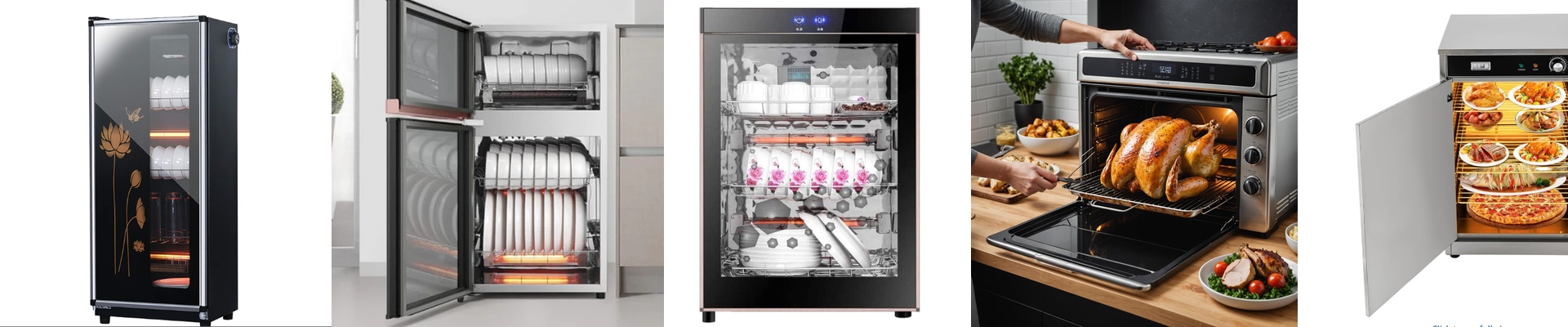
Getting Your Cabinets Sterile in Seconds, Not Minutes
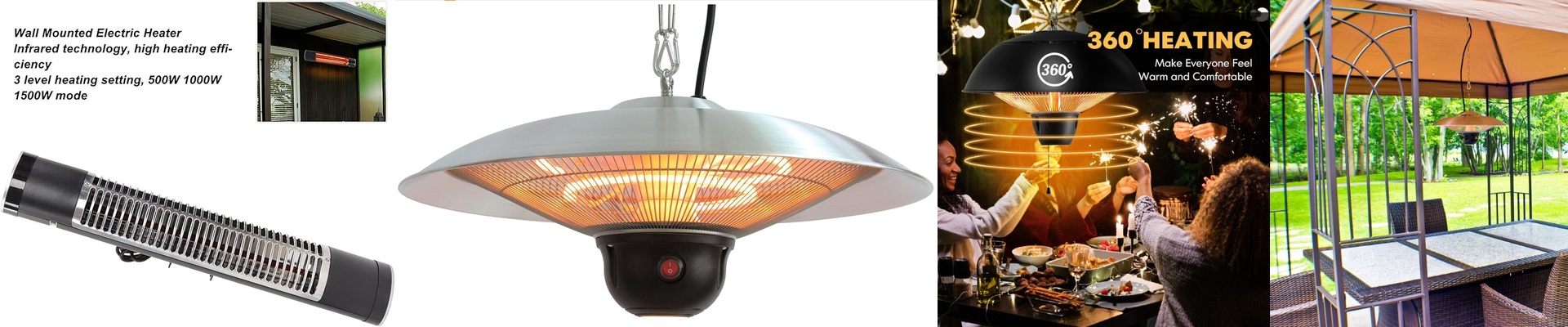
If you’re trying to hit sterilization temps in a matter of seconds, those standard resistive heating elements just aren’t going to do the job. They’re too slow. That’s why we lean on halogen infrared bulbs. Instead of trying to warm up the air first, these bulbs blast heat via radiation. It’s basically an “instant-on” switch for your disinfection process.
Why it actually works
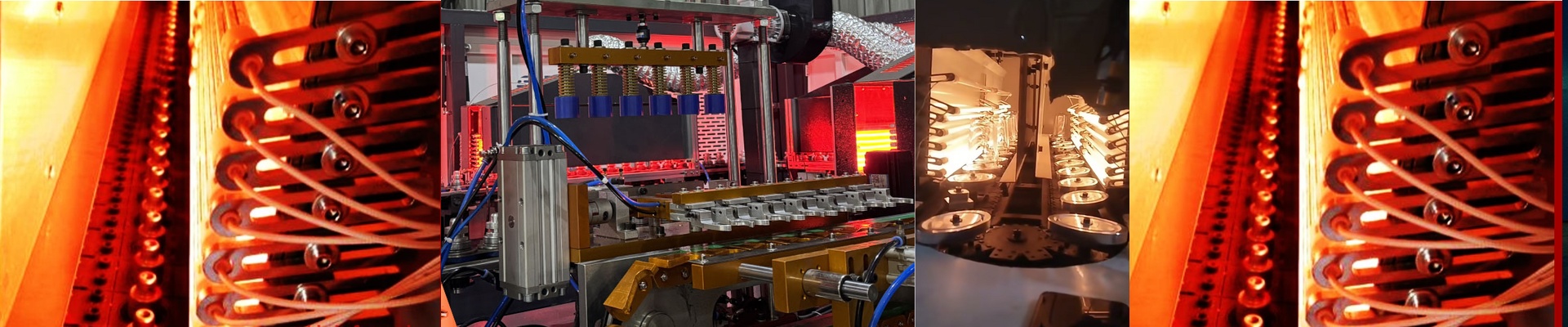
Here is the secret: a tungsten filament gets incredibly hot inside a quartz envelope. Because of the halogen gas cycle, the filament doesn’t just evaporate and die immediately, which lets us pack a ton of wattage into a tiny space. For a sterilization cabinet, this is a huge win. You get a massive burst of short-wave infrared energy that hits the surface of your equipment immediately. You aren’t sitting around waiting for the air to get hot—the target just absorbs the energy and heats up right away.
A word of caution on the hardware
We use high-purity quartz for these bulbs. It has to be, because the temperature difference between the glowing filament and the room air is brutal. Anything else would just crack. But a heads-up: those quartz tubes getdangerously hot. Like, “instant burn” hot. If you’re fitting these into a tight cabinet, please shield your wiring and double-check that your housing materials can actually handle the heat without warping.
The trade-offs (because nothing is perfect)
Speed comes with a price. These bulbs won’t last as long as your old-school heating coils. Eventually, the filament thins out and it’s time for a replacement. You also can’t just plug these in and hope for the best. You need a precise control circuit. If you push the voltage too hard, you’ll pop the filament in a heartbeat. We usually suggest a PID controller or a high-frequency SSR to keep the duty cycle in check. It keeps things steady so you hit your sterilization target without accidentally melting your cabinet gaskets.