
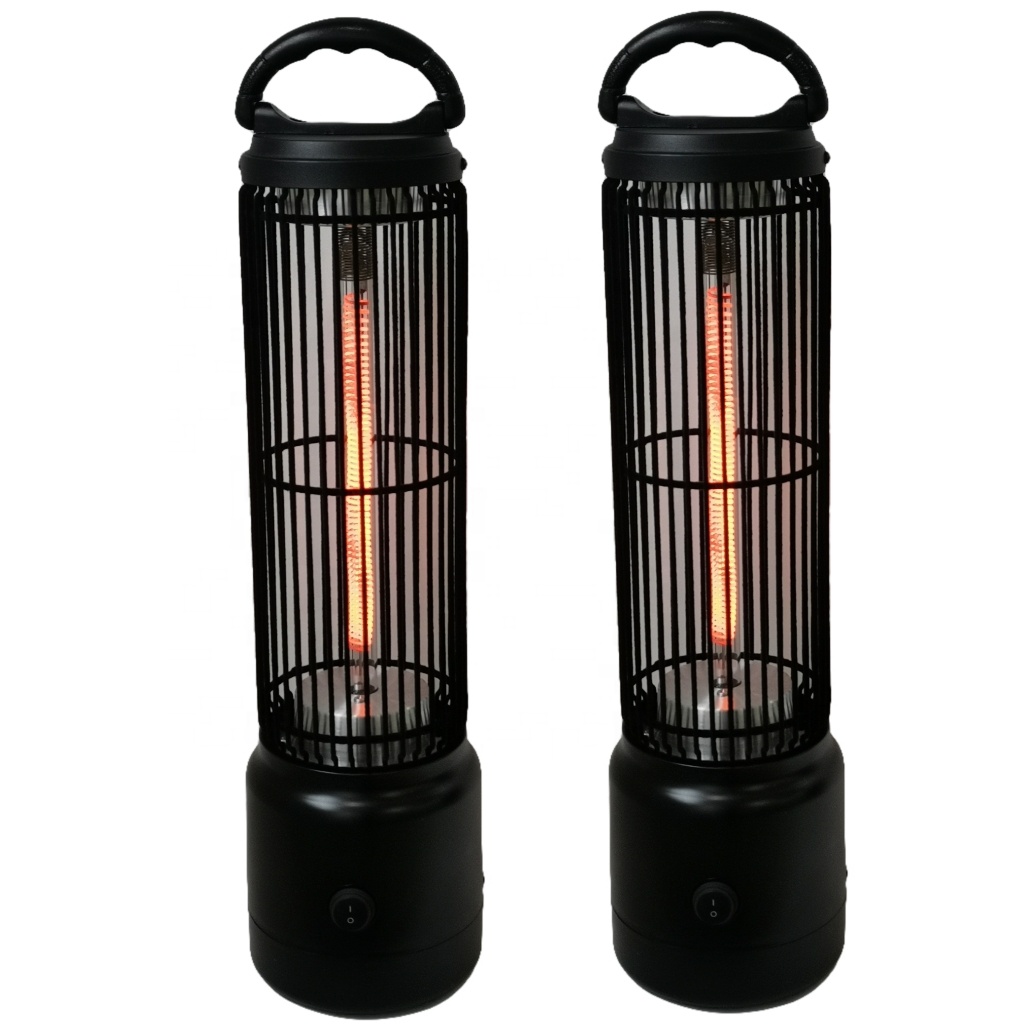
Halogen Heater Bulbs: The Infrared Powerhouses for Industrial Work
Let’s talk about halogen heater bulbs. These things are the secret weapon when you need intense, focused heat on the factory floor. They’re small, but they’re built to deliver a punch of infrared energy right where you need it. No more heating up the whole building just to warm a single spot. It’s direct, it’s fast, and it’s exactly what your process needs.
The Power Behind the Heat
Here’s the thing about these bulbs: they’re all about smart power and voltage. You’ll often see them rated at 400V, and that’s not by accident. That higher voltage means less current draw, which lets you use thinner cables over longer runs and keeps energy loss down. And the wattage? We’re talking about serious heat packed into a tiny space. A 2500W bulb can throw off a ton of energy from a really short tube—think around 300mm. It’s the perfect fit for a compact heater, giving you a concentrated blast of heat without needing a giant panel. Just make sure your power supply matches the bulb. Getting that wrong will cost you in performance and shorten the bulb’s life.
What Makes Them So Tough?
The heart of these bulbs is the quartz envelope. It’s chosen because it can handle extreme heat and sudden temperature changes without cracking, and it lets that infrared energy pass through easily. Inside, the halogen cycle is working overtime. It keeps the filament clean at high temperatures, which means the output stays steady and consistent over time. No dimming, no blackening. Many versions also have a reflective coating that directs all that energy forward, so you’re not wasting a single watt. And the connectors? They use an R7s base. It’s a no-brainer choice. It handles the high current, makes wiring end-to-end a breeze, and gives you a solid, reliable connection you can count on.
Where They Shine
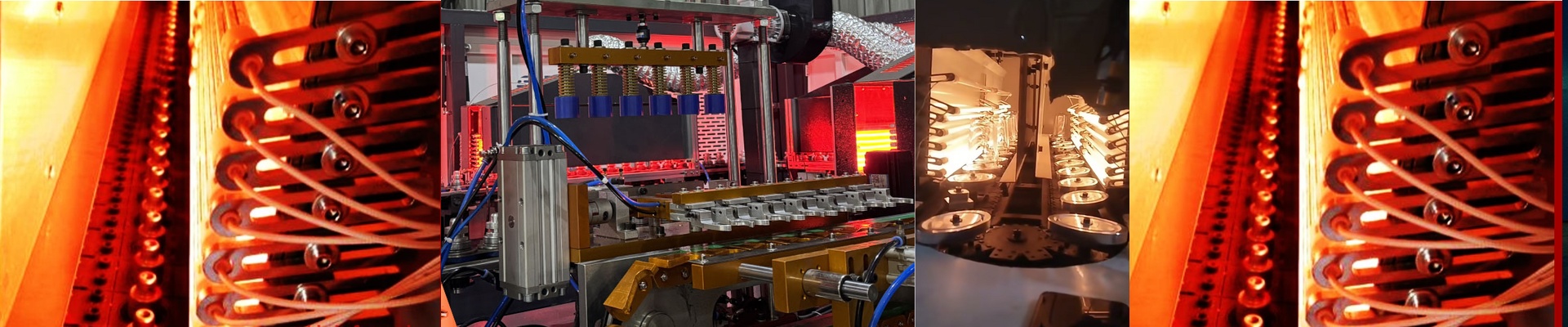
These bulbs are the go-to for tough industrial jobs. Think about processes like PET blowing, thermoforming, or curing adhesives. These are applications that demand a rapid temperature rise and precise control. Their compact size means you can pack a lot of them together, and that focused beam makes it easy to drop them right into your existing equipment. Now, with that kind of power density, you do need to plan for proper cooling and shielding. But when you get the specs right—the voltage, the wattage, the length—you end up with a heating element that’s tough, reliable, and ready to go. You just wire it up and get to work.