

Technical Deep-Dive: Power, Voltage, and Dimensions
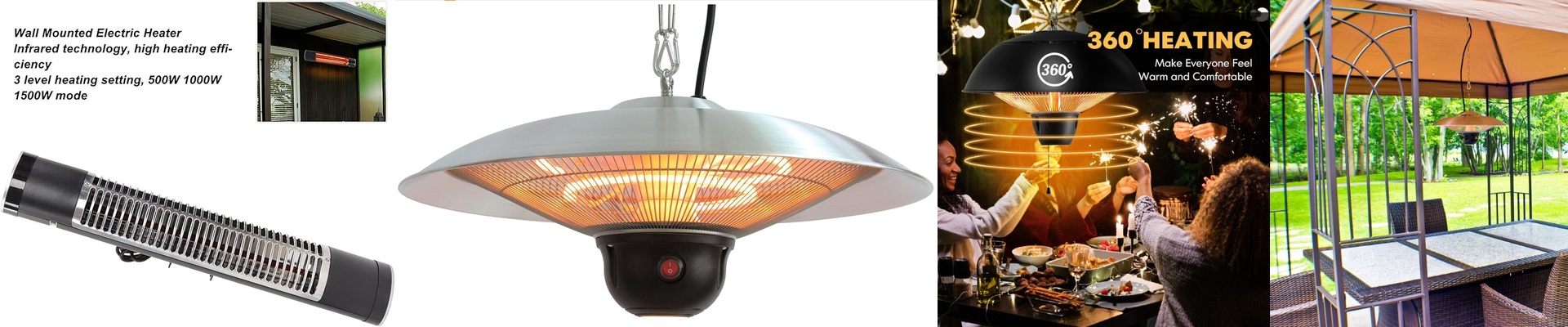
When you’re working in a tight industrial spot, you need heat that shows up the second you flip the switch. That’s why we built this heater around 400V and 2500W—plenty of punch, packed into a small footprint. The 300mm tube concentrates all that wattage right where you need it, so you can zero in on a specific zone without turning the whole room into a sauna. And the 400V setup is smart, too: it keeps the current down, which means your wiring stays manageable and you don’t lose power over longer runs.
Material and Design: Halogen, Coating, and Connectors
The halogen element runs hot, and the quartz tube is tough enough to take the heat without blinking. We added a reflective coating to push infrared energy forward, so more of it lands on your target and less gets wasted on the mounting hardware. For the connection, we went with the R7s connector. It’s an industrial standard for a reason: it locks in solid, gives you a clean, low-resistance contact, and holds steady even when things are vibrating or heating up and cooling down.
Application and Benefits: Control, Efficiency, and Serviceability
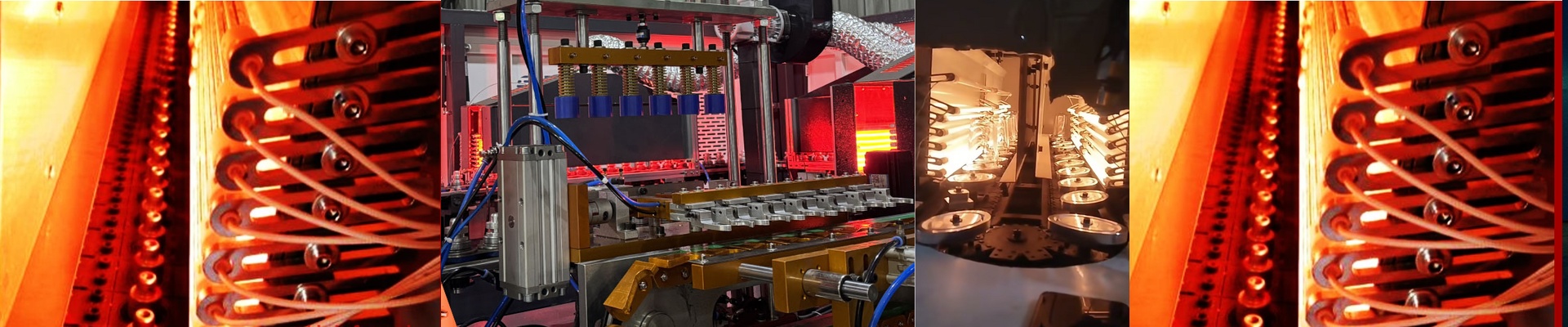
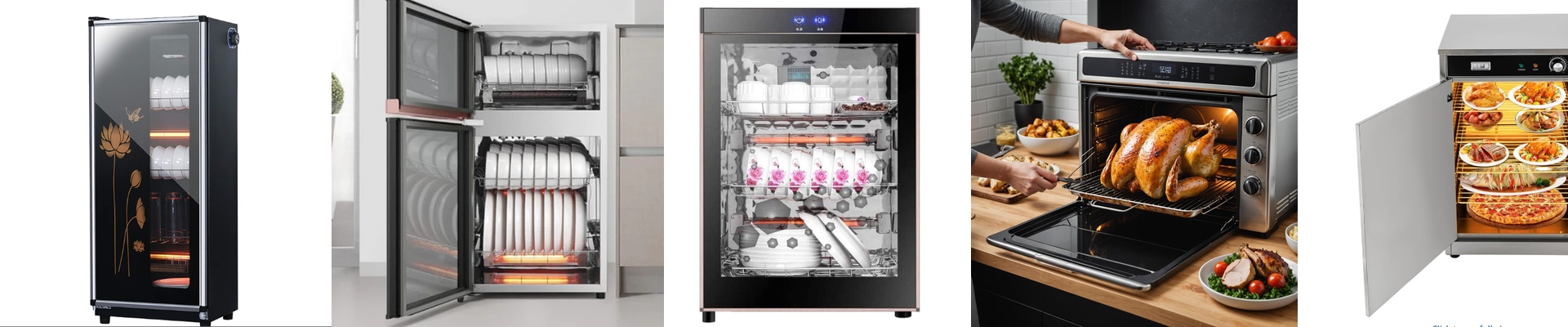
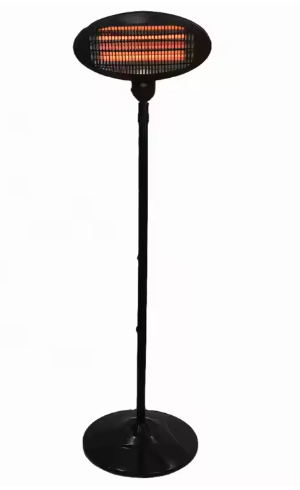
Remote control isn’t just a nice-to-have. It’s about staying safe and keeping things consistent. You can dial in the output without opening the enclosure or getting anywhere near the hot zone—especially helpful when the line is crowded. The focused infrared heat gets parts and surfaces warm fast, which can tighten up cycle times on jobs like plastic forming and spot heating. Here’s the thing, though: packing 2500W into a short tube means serious heat density, so make sure your machine’s cooling and airflow are up to the task. And if you need to swap one out, this unit drops right in where your R7s-fitted system goes, so maintenance doesn’t drag on forever.