

Bulk Patio Heaters: The Secret to Toasty Outdoor Spaces
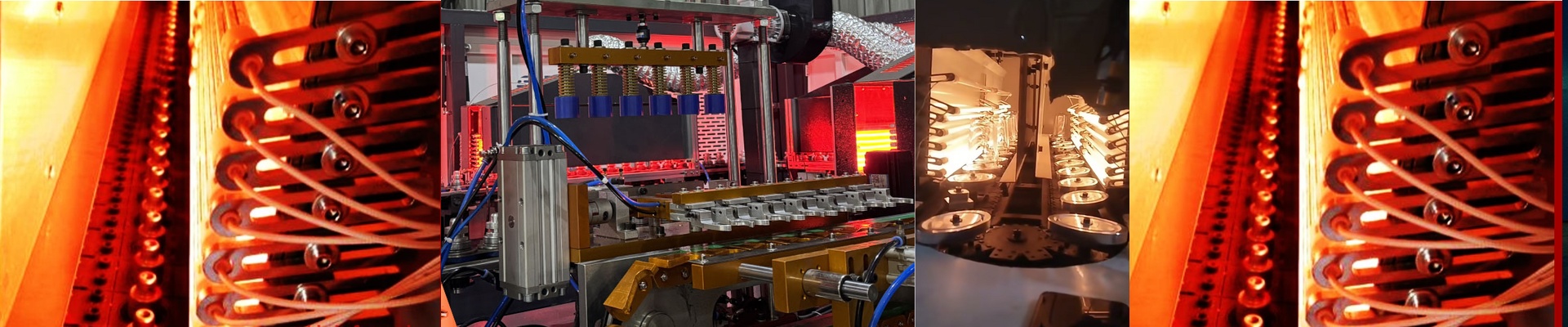
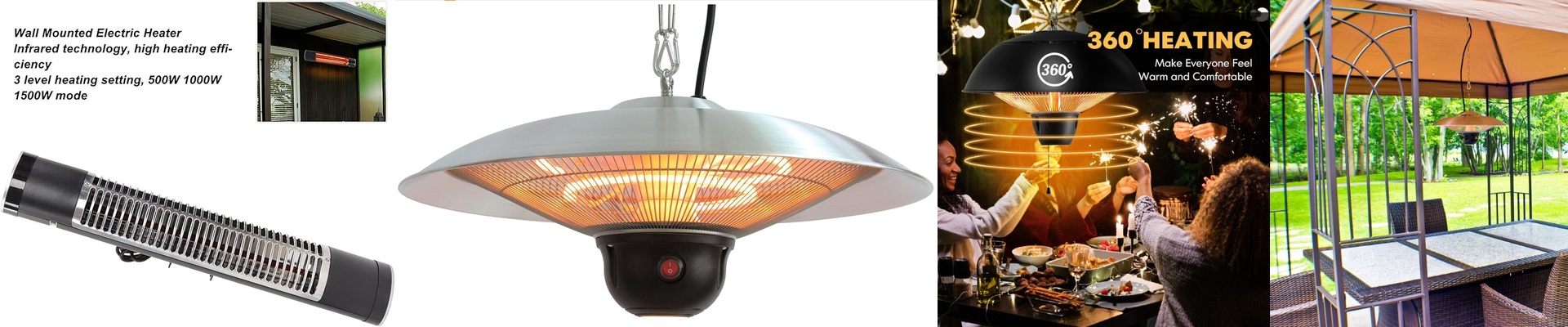
Here’s the thing about outdoor spaces—they’re only as good as how comfortable people feel in them. That’s exactly why we built these bulk patio heaters. Our whole focus? Getting serious, radiant heat right where you need it, and doing it fast. These are infrared halogen lamps, made for the hustle and bustle of commercial outdoor spots. They turn electricity straight into intense warmth, skipping the step of heating the air. So you’re warming people, not just the breeze. Smart, right?
Power, Voltage, and the Right Fit
Let’s talk power. A typical unit runs on either 230V or 400V, and you can scale the heat output with different wattage options. Going with higher voltage is a real time-saver. It lets you run more power without having to oversize the cables. That matters when you’re wiring up a whole row of heaters across a big patio. The tube itself is 300mm long—a compact footprint that still manages to pack in a ton of heat density. That’s what gives you the punch to warm a wide area. But, and this is important, that density means the lamp runs hot. So you’ll need to plan for proper mounting clearance and good airflow around the fixture.
The Good Stuff: What’s Inside
We put a halogen capsule inside a quartz envelope. Why? Because quartz can handle the extreme heat of the filament and won’t crack when the weather suddenly changes. The halogen cycle is a quiet hero here. It keeps the bulb from blackening over time, which means the heat output stays steady. No surprises, just reliable warmth. And for the connector, we use an R7s. It’s a practical choice. It handles the current, makes a solid connection, and makes replacing a bulb a simple, straightforward job out in the field.
Built for the Real World
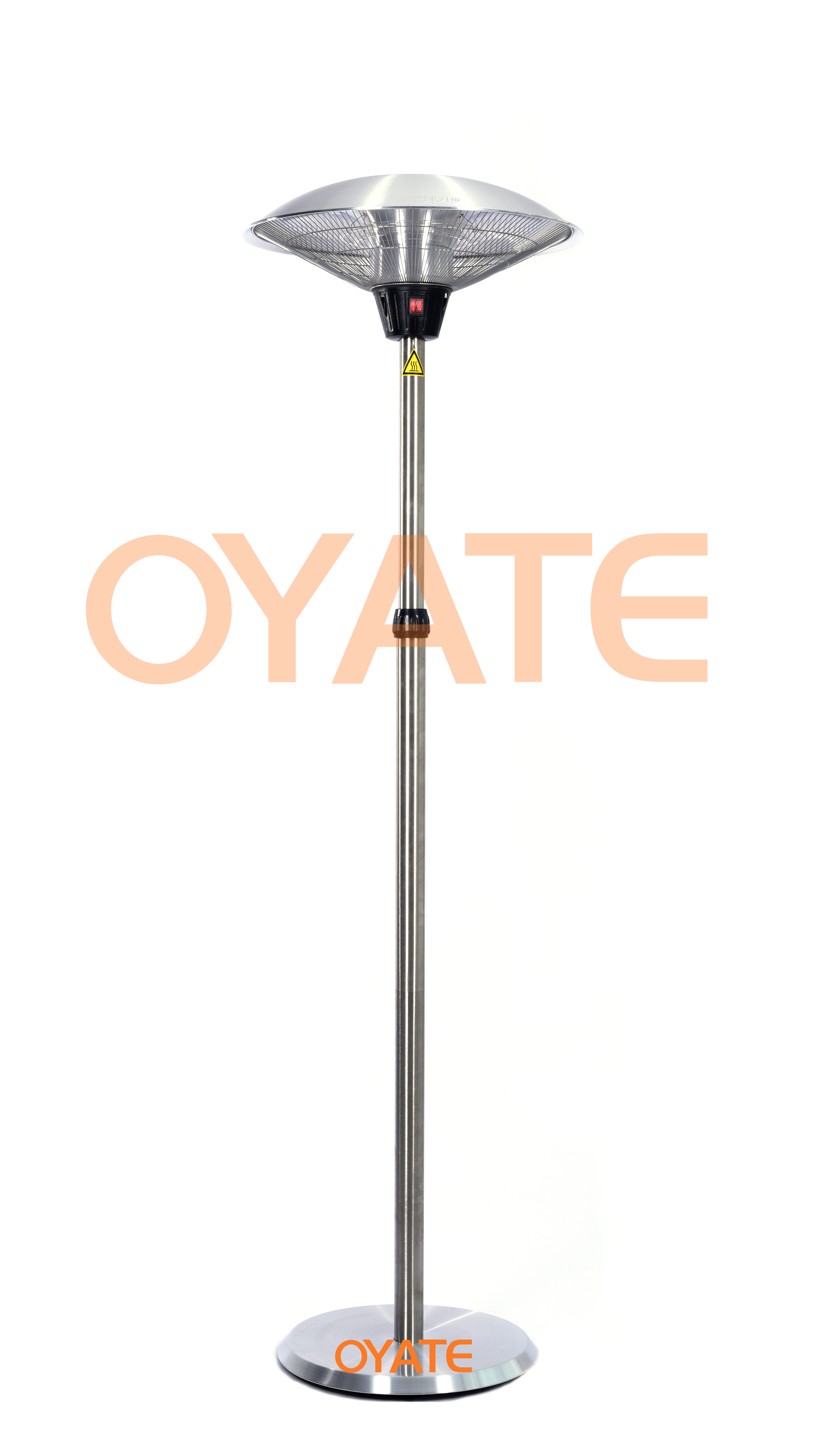
These heaters are made for big setups—think bars, restaurants, and covered outdoor areas. The infrared heat goes right to people and surfaces, so you get that cozy feeling without trying to heat the entire atmosphere. They’re also simple to install and easy to service. Now, the trade-off: the higher the wattage, the more you have to pay attention to managing heat reflection and airflow. It’s all about protecting nearby materials and keeping the performance steady. But once you get it dialed in, it just works.