



Stop Waiting for Your Oven to Warm Up
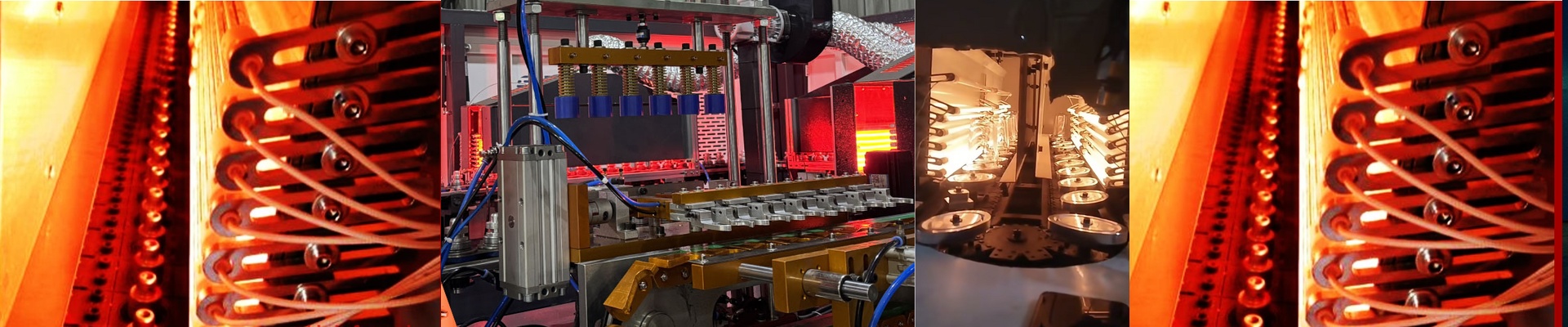
Most convection ovens are slow. They spend all their time heating up the air, and then the air has to heat the food. It’s a lag that kills your efficiency. We do things differently. We use linear infrared bulbs that skip the middleman. Instead of heating the air, these bulbs shoot shortwave radiation straight into the food. It’s fast. Really fast. We’re talking about jumping from room temperature to 300°C in a matter of seconds. The Power Behind the Heat To get that kind of speed, we pack a lot of wattage into a small space. Since the power density is so high, the filament hits its peak temperature almost the moment you flip the switch. You aren’t sitting around waiting for a big chamber to get warm. You’re hitting the product with energy immediately. It changes the whole vibe of baking—you aren’t just “soaking” the food in heat; you’re striking it. What’s Under the Hood We house the tungsten filaments in high-purity quartz glass. Why? Because quartz can take the hit of rapid heating and cooling without cracking. Most of our bulbs are filled with halogen gas, too. That keeps the filament from burning out too quickly, so the lamps actually last, even when they’re running hot. For the fit, we stick with R7s or SK15 connectors. They’re simple, secure, and usually drop right into most industrial oven racks without a fuss. A Few Things to Watch Out For Now, shortwave IR is aggressive. Because the heat transfer happens so quickly, it’s easy to scorch the outside of your food before the middle is even warm. You’ll need to play around with your conveyor speed or how long the food stays under the bulbs to get the balance right. And a heads-up: these tubes get incredibly hot. If you’re cramming them into a tight space, make sure your electrical housing has plenty of airflow. Otherwise, you’re looking at melted sockets, and nobody wants that.